
US escalates strikes on Iran as Middle East tensions spike; death toll climbs
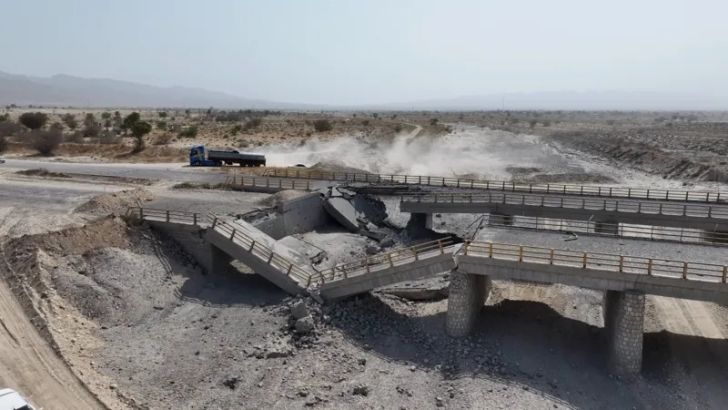

The United States has launched fresh strikes against Iran's coastal defence installations for an eighth consecutive night, marking a significant escalation in Middle East hostilities. The intensified military action follows a deadly attack in Jordan that claimed two additional American lives, bringing the total death toll from recent regional violence to 16 people.
The escalating conflict
The sustained campaign targeting Iran's coastal defences represents a dramatic increase in direct military confrontation between the US and Iranian forces. The repeated nature of these strikes—now spanning eight nights—signals Washington's determination to degrade Iran's military capabilities and deter further attacks in the region. The Jordan incident, which proved fatal to two US military personnel, has prompted this heightened response and underscores the serious risks American forces face throughout the Middle East.
The mounting casualty figures reflect the dangerous security environment that has developed across the region in recent months. With death tolls continuing to rise, concerns are growing about the potential for further escalation and the broader destabilisation of an already volatile area.
Why it matters for Ghana
While geographically distant, escalating Middle East conflicts can have direct consequences for Ghana and West Africa. Oil price volatility resulting from regional instability affects Ghana's energy sector and inflation rates, impacting fuel costs and transportation expenses that ripple through the local economy. Additionally, regional conflicts can trigger refugee movements and security challenges that eventually affect broader African stability.
Ghana, as a member of ECOWAS and an important economic hub in West Africa, is invested in regional and global stability. Prolonged Middle East conflicts also complicate international diplomatic efforts that Ghana participates in through the United Nations and African Union, potentially diverting attention and resources from African priorities.
Furthermore, any escalation involving major world powers can influence global trade patterns, investment flows, and the security environment that affects Ghanaian interests abroad. Ghanaians working in the Middle East region, whether in energy sectors, diplomatic roles, or other industries, may face increased security risks during periods of heightened tension.
The broader regional picture
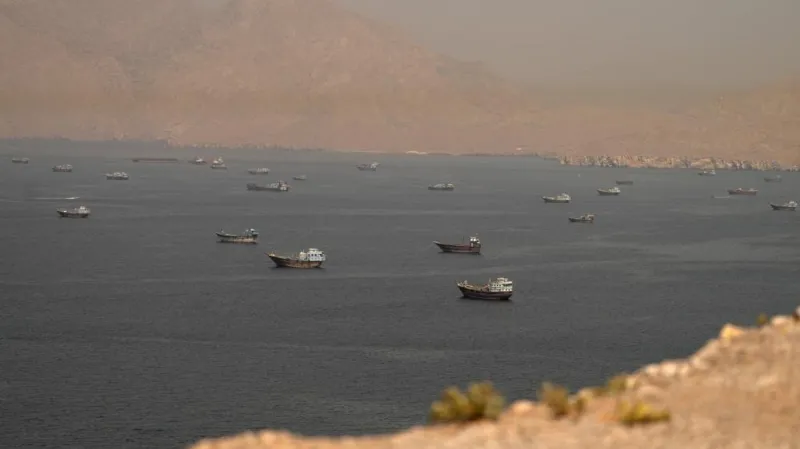
The eight-night campaign represents an unusual sustained military operation, suggesting either a coordinated multi-phase strategy or responses to successive provocations. The specificity of targeting coastal defences indicates a focus on limiting Iran's ability to project maritime power, a significant component of its regional military strategy.
The death toll reaching 16 demonstrates the human cost of sustained regional conflict. As tensions continue to escalate, the risk of miscalculation or unintended consequences increases, potentially drawing additional actors into the confrontation and further destabilising the region.
Source: 3News


Comments (0)
Be the first to comment.