
Nsawam Female Prison Hosts Three-Day Spiritual Revival to Strengthen Officers and Inmates
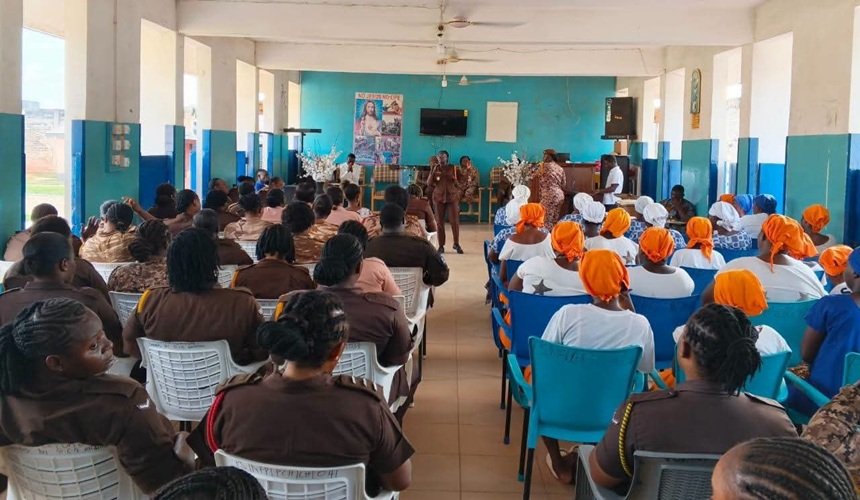

The Chaplaincy Unit of Nsawam Female Prison has concluded a three-day spiritual revival programme designed to deepen faith and foster personal renewal among both correctional officers and inmates. Held from October 13 to 15, 2026, the event centred on prayer practices and their transformative power within the prison community.
Led by Elder Kwame Frimpong of The Church of Pentecost, Nsawam, the revival delivered focused teachings on effective prayer and spiritual discipline. The sessions engaged participants across all three days, with the final day dedicated to a specialised topic: breaking family altars and overcoming negative generational patterns. This thematic choice reflects growing awareness within Ghana's faith communities of intergenerational spiritual healing.
Building Community Within Prison Walls
One of the programme's notable achievements was the strong participation from both officers and inmates, suggesting a rare shared spiritual space within the correctional facility. The revival concluded with a fellowship breakfast hosted by Acting Officer-in-Charge ADP Matilda Nyampong, which brought together staff across ranks in an informal setting. Such initiatives are significant in prison environments, where morale and inter-departmental cohesion directly impact security and rehabilitation outcomes.
The Chaplaincy Unit reported that the revival achieved dual objectives: providing inmates with spiritual support and renewal whilst simultaneously strengthening workplace relationships among officers. Prison chaplaincy programmes in Ghana remain under-resourced compared to other West African nations, making such internally-organised initiatives particularly noteworthy.
Why This Matters for Ghana's Prison System
Ghana's prisons face persistent overcrowding and rehabilitation challenges, with the female prison population growing steadily. Spiritual and psychological support programmes have demonstrated measurable benefits in reducing recidivism and improving mental health outcomes among incarcerated persons. Events like the Nsawam revival underscore the importance of faith-based interventions within the correctional system, particularly given that many Ghanaian inmates come from deeply religious backgrounds.
The involvement of a mainstream pentecostal church in prison ministry also reflects Ghana's broader religious landscape, where evangelical Christianity plays a central role in community rehabilitation efforts. Such partnerships between correctional facilities and faith organisations can extend beyond symbolic gestures to provide sustained counselling, reintegration support, and spiritual mentorship for inmates preparing for release.
Nsawam Female Prison, one of Ghana's oldest correctional institutions, has gradually expanded programmes aimed at inmate welfare and rehabilitation. Chaplaincy-led activities complement formal educational and vocational training, addressing the holistic needs of women in custody who often face compounded social stigma upon reintegration into society.
The Broader Context of Prison Chaplaincy in Ghana
Prison chaplaincy remains an underfunded but essential component of Ghana's correctional framework. Unlike some neighbouring countries, Ghana's prison service has limited dedicated chaplaincy staff, relying heavily on volunteer faith leaders and church partnerships. The success of Nsawam's three-day revival demonstrates how collaborative approaches between prison administration and religious organisations can deliver meaningful programming without significant additional state expenditure.
For officers, spiritual renewal programmes address occupational stress and burnout, common challenges in Ghana's prison service where staff often work in difficult conditions with limited resources. Fellowship and bonding activities strengthen team morale and can improve workplace safety and professionalism.
Source: The Ghanaian Times




Comments (0)
Be the first to comment.