
Legal Aid Commission reaches out to Sekondi inmates ahead of 2026 Legal Aid Week


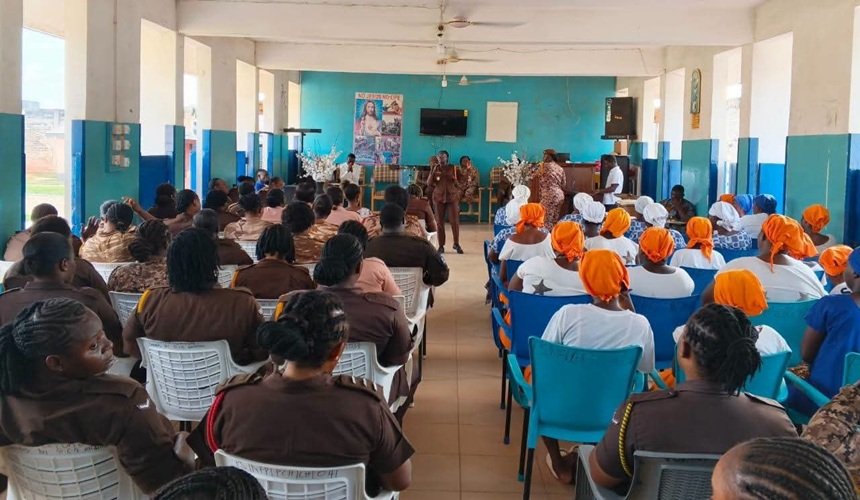
The Legal Aid Commission has intensified its support for vulnerable detainees by conducting a comprehensive legal education session at Sekondi Central Prison, as part of preparations for the 2026 Legal Aid Week celebrations. The engagement underscores the Commission's commitment to ensuring that incarcerated persons—many of whom lack resources for legal representation—understand their fundamental rights within Ghana's justice system.
During the visit, inmates received practical guidance on critical legal concepts that directly affect their cases and wellbeing in custody. The topics covered included the legal procedures surrounding arrest and detention, the mechanics of plea bargaining, bail conditions and eligibility, the conduct of criminal proceedings, and the appellate process. The team also emphasised the rights of accused persons to fair trial protections, a cornerstone of Ghana's constitutional framework.
What the Legal Aid Commission is doing
Led by Lawyer Ebo Donkoh, the Western Regional Director of the Commission, the team conducted what was called an "Intake of Complaints from Inmates" exercise. This initiative gave detainees a direct channel to report legal grievances and request assistance with their cases. The exercise proved valuable in identifying prisoners facing specific challenges, including those held on prolonged remand without trial—a recognised problem in Ghana's congested prisons—as well as those needing help securing legal representation or pursuing appeals.
The Officer-in-Charge of Sekondi Central Prison, DDP Abraham N. Allotey, welcomed the Commission's involvement and called for more frequent visits. His appeal reflects the critical gap between the number of incarcerated persons and the availability of legal support services in Ghana's prisons, where many detainees navigate the system without adequate guidance.
Why this matters for Ghana
Ghana's prison population faces systemic challenges that affect the broader integrity of the criminal justice system. Prolonged remand detention, inadequate legal representation, and limited awareness of procedural rights contribute to delays in case resolution and potential miscarriages of justice. The Legal Aid Commission's interventions address these gaps by empowering inmates to advocate for themselves and understand their options within the legal framework.
This work is particularly important for marginalised detainees who cannot afford private lawyers. Many Ghanaian prisoners come from disadvantaged backgrounds and may have limited education about their constitutional protections. By conducting regular educational sessions and receiving complaints directly from inmates, the Commission helps identify systemic problems—such as cases stuck in the system for years—that might otherwise remain hidden.
The Commission's regular engagement with Sekondi Central Prison demonstrates how government institutions can work together to strengthen rule of law. Such initiatives also contribute to prison reform by improving conditions of detention and ensuring that the rights of the accused are upheld, regardless of their economic status. As Ghana continues to develop its justice infrastructure, the work of legal aid bodies remains essential to preventing wrongful convictions and ensuring fair trial rights are not merely theoretical but practically realised for all persons in custody.
Source: The Ghanaian Times



Comments (0)
Be the first to comment.