
Anti-war Russians fleeing Putin face deportation from West, raising human rights concerns
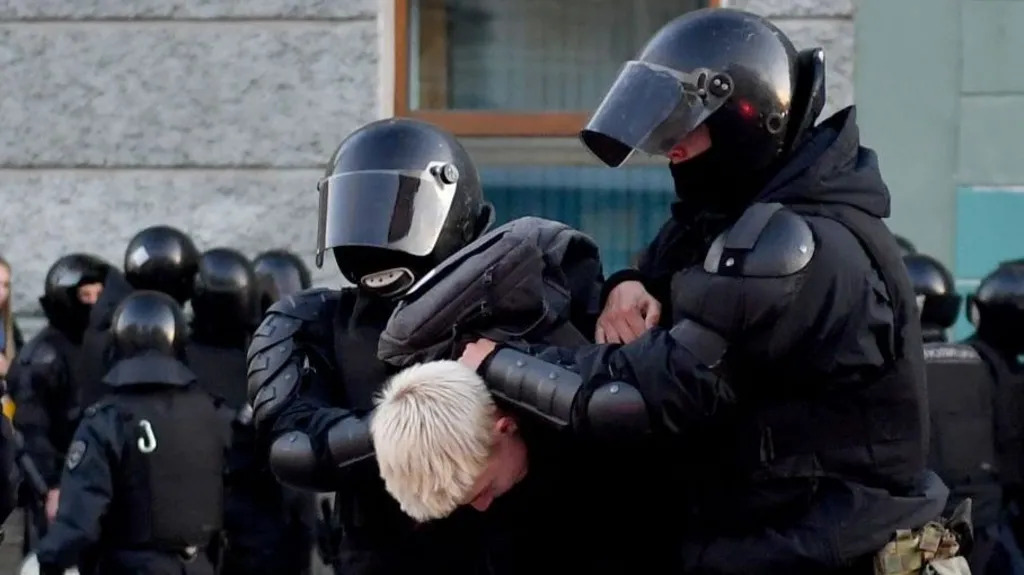
Russia's full-scale invasion of Ukraine in 2022 prompted many Western nations to open their doors to fleeing Russians, particularly anti-war activists and those refusing military service. Yet more than four years later, that welcome has cooled dramatically. Deportations of Russian asylum seekers from the United States and Europe have surged, leaving vulnerable dissidents and deserters at severe risk of persecution, imprisonment, or forced conscription into active conflict.
The human cost of this policy shift is becoming clear. Katya, an anti-war activist who fled Russia and sought asylum in the US, was deported in December after her application was rejected despite providing evidence of her protest activities and opposition movement membership. Upon landing in Moscow, she and other deportees were met by FSB security officers who interrogated them for hours. Male passengers received military conscription papers immediately. Katya describes living in fear, saying she feels "like in a zoo" whenever police vehicles pass her home, with authorities continuing to call and visit her unexpectedly.
The statistics paint a troubling picture of shifting policy. US deportations of Russian nationals jumped from 222 in 2023 to more than 1,200 in 2025, coinciding with President Donald Trump's second term and a broader hardline stance on immigration. Germany deported just seven Russian nationals in 2023 but increased that figure to over 110 in 2025. Across the European Union, asylum approval rates for Russians plummeted from 23 per cent in 2024 to approximately 17 per cent in the first nine months of 2025.
Serious consequences for deportees
Documented cases reveal the dangers returning activists face. Leonid Melekhin, an anti-war activist arrested at protests in Russia, sought asylum in the US after posting critical messages about President Vladimir Putin online. Upon deportation last year, he was charged with "justifying terrorism" and sentenced to six years in prison. According to Andrei Pivovarov from Russia's exiled opposition Anti-War Committee, multiple cases exist of individuals receiving eight-year prison sentences after returning to Russia.
The impact extends beyond activism. Army deserters and those refusing military service face particular peril, as male deportees are often handed military conscription documents by Russian authorities upon arrival, effectively channelling them directly into active warfare in Ukraine. This dual threat—legal prosecution for political dissent coupled with forced military deployment—makes deportation effectively a death sentence for many.
Why it matters for Ghana
Though Ghanaians may not immediately connect to Russia's internal politics, this global trend has broader implications for African nations and developing countries. Ghana hosts a significant diaspora community and has historically been supportive of international humanitarian principles. The erosion of asylum protections in Western countries sets a concerning precedent: it demonstrates how geopolitical pressures, domestic political considerations around immigration, and security anxieties can override international legal obligations to protect vulnerable populations.
This precedent matters because Ghanaians and citizens of other African nations have sometimes relied on these same asylum systems during humanitarian crises or political persecution. When Western nations tighten asylum criteria ostensibly for "security" or "immigration control" reasons, the thresholds for protection lower for all vulnerable groups. Additionally, Ghana's own foreign policy emphasises African solidarity and human rights; developments affecting persecuted individuals globally resonate with these values.
The underlying cause is clear: Western governments are hardening immigration policies amid political pressure over irregular migration numbers and rising support for right-wing populist parties. Russian opposition activists, once viewed sympathetically as victims of an authoritarian regime, have become caught in a wider crackdown on asylum seekers. Immigration officials frequently dismiss claims of danger, suggesting inadequate understanding of political persecution risks. Germany suspended its humanitarian visa programme for Russians entirely in 2024, signalling the end of exceptional consideration for this group.
Lawyer Anastasia Burakova, founder of Kovcheg (Ark), which assists anti-war Russians in leaving the country, notes that Western governments are "focused on limiting humanitarian programmes and asylum seekers" in response to public concerns. Yet this approach creates a moral hazard: it effectively rewards authoritarian regimes by removing safe havens for their opponents.
For diaspora communities and nations that depend on international protection systems, the message is stark. Even principled asylum claims—backed by evidence of activism, arrest records, and genuine threats—can be dismissed. The deportation crisis underscores how quickly geopolitical calculations can override humanitarian commitments, a lesson with global significance.
Source: The Ghana Report
Comments (0)
Be the first to comment.