Ghana's 'Azigi' Crisis: When a Private Act Becomes a National Scandal
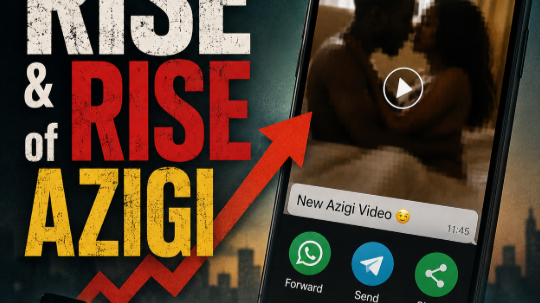
Ghana has a new word for a troubling phenomenon: Azigi—the leaked intimate video. What was once a rare scandal requiring journalistic investigation has morphed into what appears to be a regular occurrence, with high-profile cases involving professionals from DJs to nurses to police officers capturing national attention and sparking frenzied digital circulation across WhatsApp, Telegram and social media.
The troubling pattern reveals a disturbing contradiction in how Ghanaians engage with such content. Within minutes of Azigi surfacing, thousands who have actively sought and forwarded the material suddenly adopt the moral high ground, quoting Scripture and lamenting the decay of African values. The same fingers that pressed 'Forward' are soon pointing accusingly at those in the video, a hypocrisy as old as human nature but amplified by digital technology.
The Supply Chain of Shame
What makes this phenomenon particularly concerning is the ecosystem that has developed around it. Beyond the original source lies an entire distribution network: wholesalers, WhatsApp distributors, Telegram operators and what one observer calls the "indispensable Ghanaian researcher" who appears beneath every post asking to be inboxed "to confirm something." This supply chain is followed inevitably by the National Court of Morality—pastors, relationship experts and aunties who emerge to condemn what they themselves have shared.
The irony is stark: everyone condemns the fire, yet nobody acknowledges bringing the firewood. Ghanaians have become both producers and consumers of moral outrage, simultaneously participating in and criticising the very behaviour they claim to despise.
Why It Matters for Ghana
Beyond the social hypocrisy, there are serious legal and ethical dimensions that Ghanaians must confront. Ghana's Cybersecurity Act explicitly addresses the non-consensual distribution of intimate images. When someone forwards Azigi "for educational purposes" or entertainment, they may unknowingly be breaking the law. The person in the video may have consented to being recorded privately, but that consent does not extend to nationwide broadcasting to millions of smartphones.
More alarming still is the future threat posed by artificial intelligence. Tomorrow's leaked videos may not be real at all—a person's face could be convincingly manipulated into intimate scenarios, destroying reputations before the truth can even get its shoes on. By the time experts prove such content is fake, Ghana will have watched it, forwarded it, analysed it, preached about it and moved on to the next scandal.
The deeper issue is one of collective responsibility and digital citizenship. Ghanaians have become a society permanently gathered beneath a leaking tap, bowls raised enthusiastically demanding their share, only to return home afterwards and complain that the water is dirty. The question is no longer simply "Who has the link?" but rather: What have we become as a nation through our participation in this cycle?
Source: MyJoyOnline


Comments (0)
Be the first to comment.