
Novel on Galamsey Gets NaCCA Approval, Bringing Ghana's Mining Crisis Into the Classroom
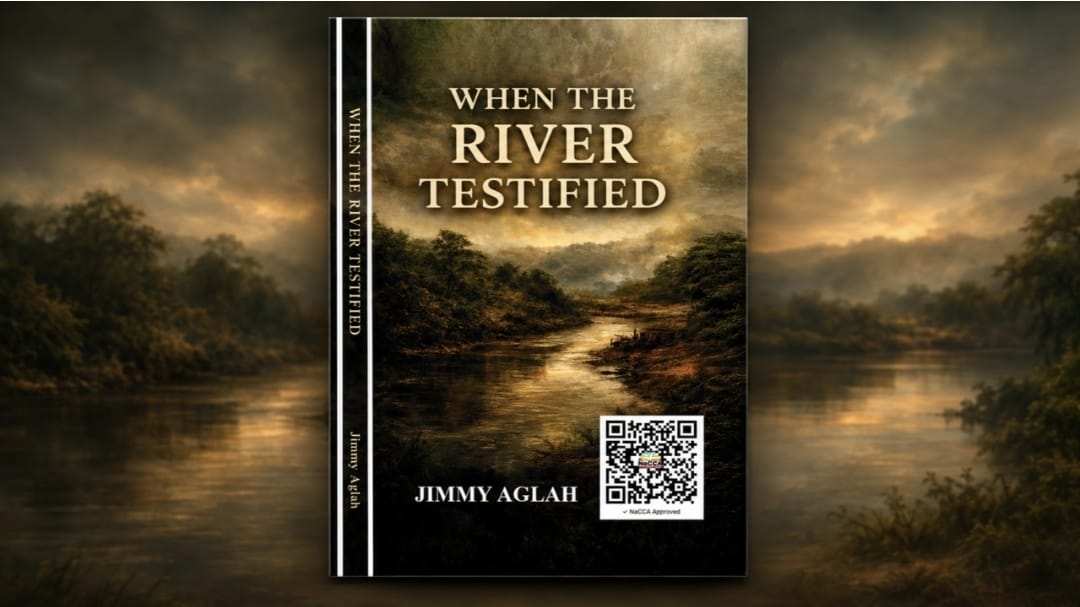

A Ghanaian novel that uses fiction to explore the devastating human and environmental cost of illegal mining has received official approval from the National Council for Curriculum and Assessment (NaCCA), clearing the way for it to be used as supplementary reading material in junior and senior high schools across the country. The book, When the River Testified, written by author and media executive Jimmy Aglah, is now listed on the NaCCA verification system as meeting the Council's standards for classroom use.
What the novel is about
Set in the fictional Ghanaian town of Asempa Nkwanta, the novel follows broadcast journalist Kofi Densu as he investigates a river in visible decline, only to uncover a far broader crisis involving public health, institutional failure and moral compromise. Scientific tests carried out by a character named Dr Mensima reveal elevated levels of mercury and lead in both water sources and food crops, with evidence drawn from a clinic, borehole, palace and the wider community gradually painting a damning picture of environmental neglect.
Though the setting and characters are fictional, the issues the story grapples with are very real. Ghana has struggled for years to contain the damage caused by galamsey — illegal and largely unregulated small-scale mining — which has contaminated rivers, destroyed farmland and poisoned water supplies in communities across the country. The Pra, Ankobra, Offin and other major rivers have all been badly affected, and successive governments have launched task forces and enforcement drives with limited long-term success.
Aglah, who is based in Kumasi, says literature offers a way into the subject that facts and statistics alone cannot achieve. "We cannot wait until our children become adults before teaching them why the rivers matter, why forests matter and why individual choices have consequences for entire communities," he said. He argues that fiction allows young readers to encounter environmental issues through characters, choices and consequences — making the stakes feel personal rather than abstract.
Why it matters for Ghana
The timing of the NaCCA approval is significant. Ghana's galamsey problem has dominated public debate for years, with community members, civil society groups, journalists and politicians all weighing in — yet the environmental damage has continued. Critics have long argued that enforcement alone is not enough and that lasting change requires a generational shift in values and understanding.
Bringing that conversation into the classroom through an approved curriculum resource represents a different kind of intervention. Rather than relying solely on arrests and regulations, the approach bets on shaping how young Ghanaians think about their relationship with the natural world before they reach adulthood. "Laws are important, enforcement is important, but sustainability ultimately depends on what a generation believes," Aglah said.
The book also aligns with Ghana's broader educational goals under the current curriculum, which emphasises critical thinking, problem-solving and responsible citizenship. It connects with international frameworks as well — particularly UN Sustainable Development Goal 4.7, which calls for education that promotes sustainable development and responsible citizenship, and SDG 6, which focuses on clean water and sustainable water management. Both goals sit at the heart of what the novel explores.
Aglah hopes schools will treat the book not merely as individual reading but as a springboard for guided discussion in literature lessons, reading clubs, environmental clubs and values-based education. Teachers, he suggests, can use the story to push students to weigh competing interests, examine evidence and think about their own responsibilities to their communities.
The bigger picture
The approval of When the River Testified adds to a small but growing body of Ghanaian creative work that takes environmental destruction seriously as a subject for literature and public reflection. It also raises broader questions about how schools can contribute to national challenges that have so far resisted purely political or legal solutions.
For Aglah, the metaphor at the centre of his book captures something important about why that contribution matters. "The river in the story cannot walk into a courtroom. It cannot organise a demonstration or hold a press conference. But it can testify through what happens to the people who depend on it," he said. "I want young readers to understand that nature eventually presents its evidence."
- With the book now carrying NaCCA's stamp of approval, schools across Ghana have a ready-made resource for one of the country's most urgent conversations — and one that arrives not through a policy document, but through story.
Source: MyJoyOnline
-800x455.webp)



Comments (0)
Be the first to comment.