
Ghana's Nursing Crisis: Tens of Thousands Trained Every Year, But Only a Fraction Get Hired
-1200x675.webp)

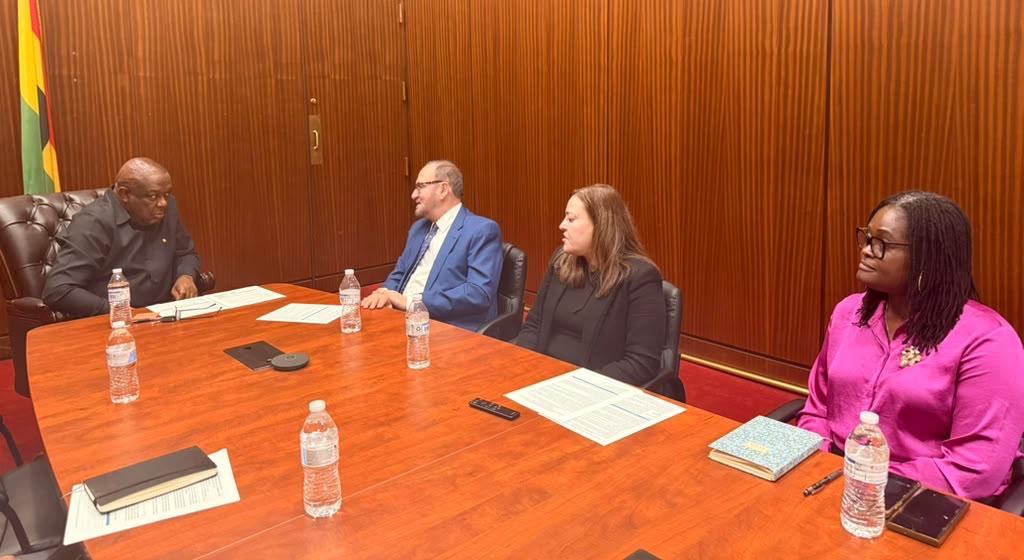
Ghana is producing nurses at a rate that far outpaces its ability to employ them, with the country admitting as many as 60,000 trainees into nursing schools each year while only managing to absorb roughly 10,000 new hires annually into the public health system. Health Minister Kwabena Mintah Akandoh has acknowledged the scale of the mismatch, signalling that the government intends to place a cap on nursing school admissions until the existing backlog of unemployed trained nurses is brought under control.
The scale of the problem
The admission-to-employment gap has created a swelling pool of qualified nurses who have completed their training, passed their licensure requirements, and are ready to work — yet cannot find positions within Ghana's public health service. Estimates suggest the backlog of jobless trained nurses currently stands well above 40,000, a figure that continues to climb with every new cohort that graduates.
Minister Akandoh has indicated that the government wants to see that backlog reduced to approximately 40,000 before it considers allowing nursing admissions to increase once more. The implication is that until a meaningful dent is made in the number of unemployed nurses already in the system, expanding the pipeline of new trainees would only deepen the crisis.
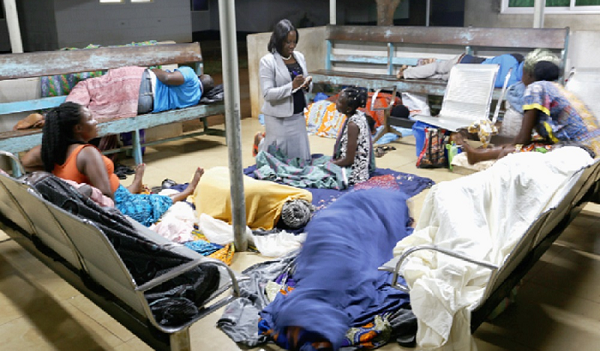
The situation places enormous financial and psychological strain on thousands of young Ghanaians who invested years of study and significant personal resources into a healthcare career, only to find themselves without a posting. Many have been waiting for government employment for several years, surviving on support from family members or taking up informal work unrelated to their profession.
Why it matters for Ghana
The irony of this crisis is particularly sharp given Ghana's well-documented shortage of healthcare workers at the community level. Rural and deprived districts consistently report understaffed clinics and health centres, with patients sometimes travelling long distances for basic medical attention. The country has also historically lost trained health professionals to emigration — a brain drain that sends nurses and doctors to the United Kingdom, the United States, Canada and elsewhere in search of better pay and conditions.
Having tens of thousands of trained nurses sitting idle while health facilities in underserved areas remain understaffed represents a profound policy failure. Critics argue that better workforce planning — aligning annual admissions with realistic government hiring capacity and private sector absorption rates — should have prevented the backlog from reaching its current size.
The government's decision to link future admissions growth to a reduction in the backlog is a step towards more rational planning, but it does little to address the immediate needs of those already trained and waiting. Unions and associations representing health workers have long called on successive governments to accelerate postings and explore innovative deployment models, including community health schemes and public-private partnerships, to get nurses into work faster.
What comes next
The Health Ministry faces pressure on two fronts: clearing the existing backlog of unemployed nurses on one side, and managing expectations among prospective students and training institutions on the other. Nursing schools, many of which are privately run, have a financial interest in maintaining high enrolment numbers, which could make enforcing stricter quotas politically and legally complex.
- The government may need to explore bonding schemes or incentive packages to encourage trained nurses to serve in underserved communities as part of a broader solution.
- Dialogue between the Health Ministry, the Ghana Health Service, the Nurses and Midwives Council, and training institutions will be critical to arriving at sustainable admission targets.
- Ghana's experience also raises questions for other African nations about the risks of expanding health training without matching fiscal commitments to employment.
For now, the Minister's remarks signal a government that is at least willing to confront the uncomfortable arithmetic of a system that has been training far more nurses than it can pay — a conversation Ghana's health sector has needed to have for a long time.
Source: 3News



Comments (0)
Be the first to comment.