Ghana Plans Major Hearing Care Hub to Transform Deaf and Hard of Hearing Services
Ghana is moving forward with plans to establish a comprehensive Centre of Excellence for Hearing, Communication and Cochlear Implant Care, marking a significant step in addressing the country's hearing health crisis and building sustainable local expertise in audiology and ENT services.
The proposed facility would integrate multiple specialist services under one roof, including hearing screening and diagnosis, ear, nose and throat care, audiology, cochlear implant procedures, speech and language therapy, patient rehabilitation and family support programmes. The centre would also serve as a research hub and training ground for healthcare professionals across West Africa.
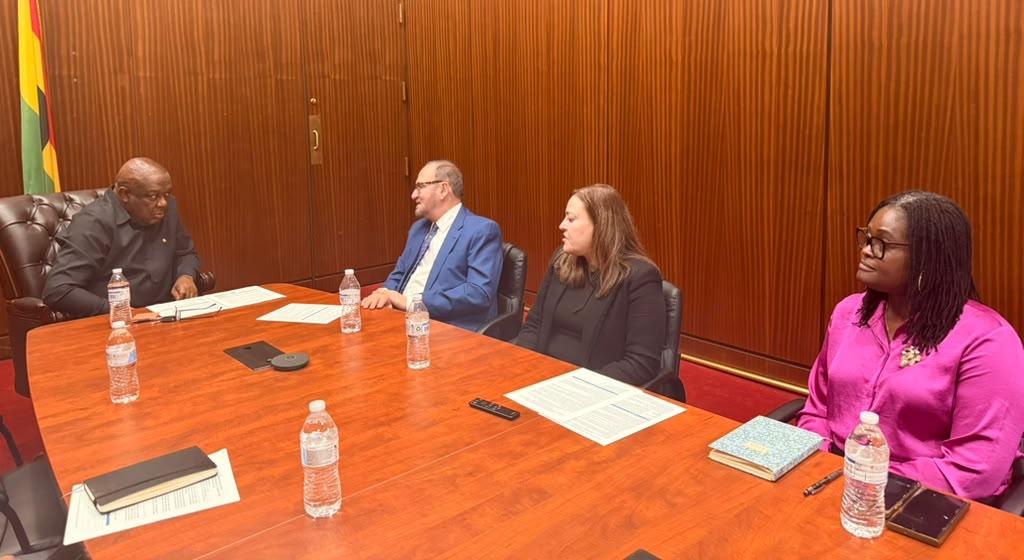
The initiative was shaped through discussions involving Ambassador Victor Emmanuel Smith, Emilio Alonso Mendoza (president of the Alexander Graham Bell Association for the Deaf and Hard of Hearing), business leaders and representatives from international and local organisations. A core principle emerged from these conversations: the centre must be Ghanaian-led and work alongside existing health and academic institutions rather than duplicate their efforts.
Building Local Expertise, Creating African Leadership
A defining feature of the proposal is its focus on developing sustainable hearing healthcare expertise within Ghana itself. Rather than relying indefinitely on foreign specialists, the model calls for international professionals to initially work alongside Ghanaian healthcare practitioners, transferring skills and strengthening local capacity. Over time, Ghanaian professionals would be equipped to train others, creating a self-sustaining pipeline of expertise.
This approach aligns with broader health system strengthening goals. Ambassador Smith emphasised that the vision centres on building an institution that reflects Ghana's own healthcare priorities, infrastructure and professional workforce. Success would mean expanding services and expertise already present in the country rather than importing external models wholesale.
Beyond Ghana's borders, the centre is intended to position the country as a hub for professional training and knowledge-sharing across Africa. Ghanaian specialists would contribute to hearing healthcare initiatives regionally, establishing Ghana as a centre of excellence and leadership in a field where many African countries face acute service gaps.
Why This Matters for Ghana
Hearing loss affects millions of Ghanaians and remains a critical but often overlooked public health issue. The World Health Organization estimates that 4.8% of Ghana's population lives with disabling hearing loss—a figure that translates to hundreds of thousands of people. For children, the implications are particularly severe: early identification and appropriate intervention directly influence language development, educational achievement and future employment prospects.
Currently, specialised hearing services are concentrated in a few urban centres, leaving most Ghanaians without access to diagnosis, treatment or rehabilitation. Many with hearing loss go unidentified, limiting their educational and economic opportunities and increasing social isolation. This gap has ripple effects across society, affecting school performance, workplace integration and quality of life.
The proposed centre directly addresses Ghana Health Service's strategic priorities for 2026 to 2036, which explicitly call for equitable and integrated ear and hearing services across all 16 regions. By establishing a hub that combines clinical care, training and research, Ghana can begin to close this service gap systematically.
The initiative also recognises that hearing health is fundamentally linked to human development and economic participation. Children who receive early intervention perform better in school and have better employment prospects. Adults with untreated hearing loss face barriers to work and social engagement. Addressing hearing health is therefore an investment in Ghana's human capital and social progress.
Next Steps and Implementation
Ambassador Smith expressed commitment to advancing the proposal through continued stakeholder engagement. While specific timelines and funding mechanisms have not been announced, the broad support from international organisations, local partners and government health officials suggests momentum behind the initiative.
The success of such a centre will depend on sustained collaboration between Ghana's healthcare institutions, international partners willing to transfer expertise, adequate funding and political commitment to integrating hearing services into the broader health system across all regions.
Source: MyJoyOnline


Comments (0)
Be the first to comment.