Ghana plans integration of traditional medicine into public healthcare system
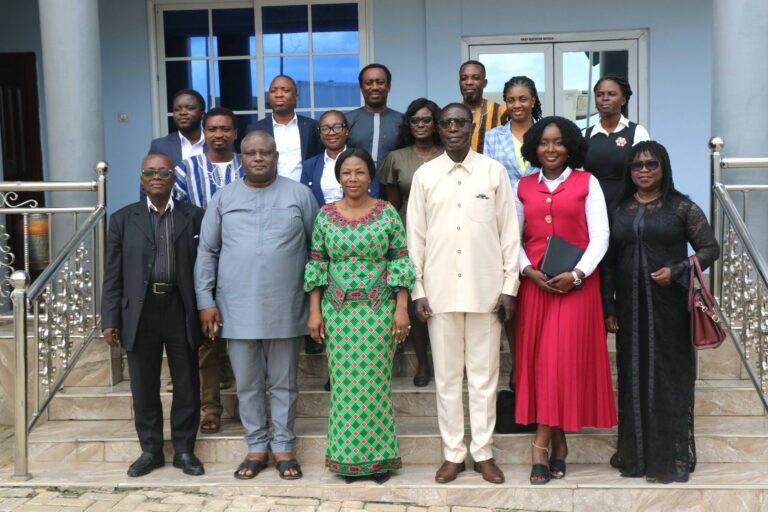
Ghana's government is moving to bring traditional and herbal medicine into the mainstream healthcare system, with Deputy Minister for Health Prof. Dr. Grace Ayensu-Danquah signalling a formal push to combine both approaches based on scientific evidence and quality standards.
The announcement comes as the Ministry inspects manufacturing facilities and considers where traditional remedies could support the government's Free Primary Healthcare programme, which focuses on preventing disease rather than simply treating it after the fact.
What the integration could achieve
The Deputy Minister identified non-communicable diseases—particularly hypertension and diabetes—as priority areas where scientifically validated traditional medicines might help both prevent and manage illness. Ghana faces a significant burden from these conditions, which account for a growing share of healthcare costs and mortality in the country.
By integrating traditional medicine into free primary healthcare, the government hopes to expand treatment options for Ghanaians whilst reducing pressure on conventional pharmaceutical supplies and potentially lowering costs. The approach mirrors practices in other countries; Prof. Ayensu-Danquah cited China as an example where traditional and modern medicine systems have successfully complemented each other for decades.
During a visit to the Center of Awareness (COA) Research and Manufacturing Company in the Central Region, the Deputy Minister inspected operations to assess compliance with Good Manufacturing Practices (GMPs)—international standards that ensure medicines are produced safely and consistently. This regulatory focus underscores the government's commitment that integration will not compromise patient safety.
Why it matters for Ghana
Ghana has a long history of traditional medicine use, with many rural communities relying on herbal remedies where access to clinics is limited or unaffordable. However, the sector has largely operated outside formal regulation, raising concerns about product quality, contamination and false claims.
By establishing scientific oversight and manufacturing standards, the government aims to unlock the potential of proven traditional treatments whilst protecting citizens from unsafe or ineffective products. This could address a genuine gap: many Ghanaians already use traditional medicine, yet it receives no formal recognition or support within the public health system.
The initiative also signals broader economic potential. A regulated, research-backed traditional medicine sector could create employment in manufacturing, research and cultivation, particularly in regions with strong herbal medicine traditions. COA's own research into cancer and viral disease treatments illustrates how Ghanaian companies are positioning themselves at the frontier of this emerging sector.
The path forward: research and collaboration
Success will depend on sustained collaboration between traditional practitioners, manufacturers, universities and the Ministry of Health. Prof. Samuel Ato Duncan, CEO of COA, emphasised that research and partnership among stakeholders are essential to unlock the sector's full potential.
The Ministry has committed to strengthening research capacity, manufacturing standards and regulatory oversight across the traditional medicine sector. This includes establishing clear evidence requirements—remedies must be tested and shown to work—before integration into public programmes.
Ghana's approach reflects a global trend: the World Health Organisation increasingly encourages countries to integrate traditional medicine safely into national health systems. If executed well, Ghana's strategy could serve as a model for other African nations whilst giving Ghanaians access to a broader, safer range of healthcare options grounded in both scientific evidence and cultural knowledge.
Source: The Ghana Report
-1200x675.webp)


Comments (0)
Be the first to comment.