Vice President Opoku-Agyemang pushes urgent action on Ghana's nutrition crisis

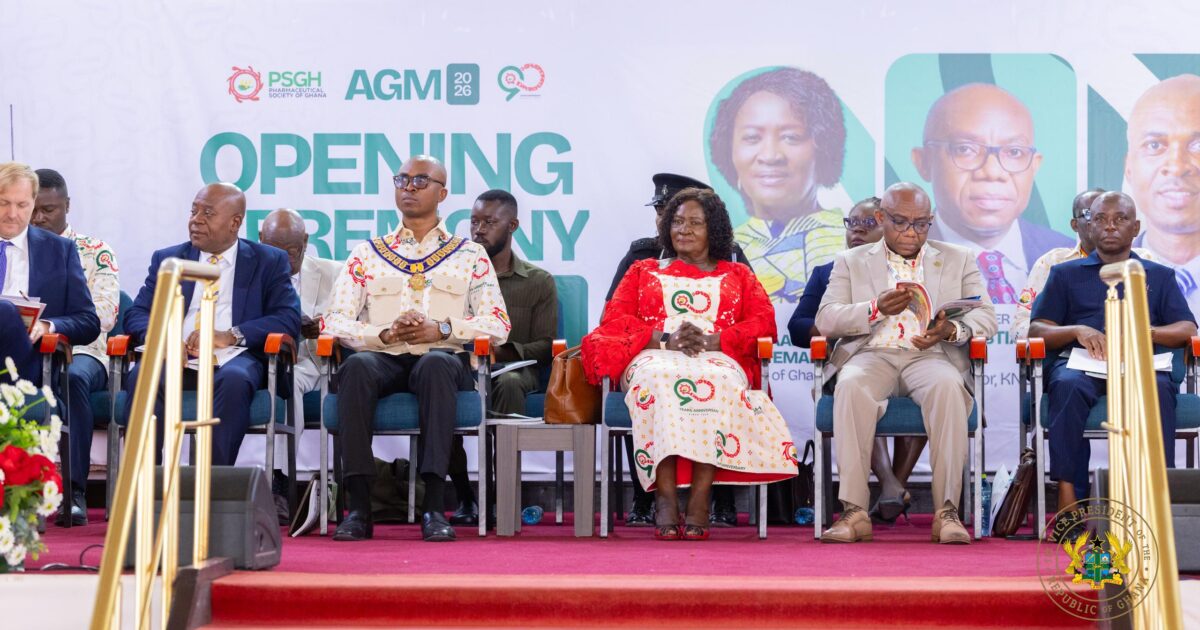
Vice President Mahamudu Bawumia's running mate, Professor Naana Jane Opoku-Agyemang, has sounded an alarm over Ghana's continuing struggle with nutrition deficiencies, calling for substantially increased investment to tackle the problem at scale. Speaking on the issue, the former Education Minister emphasised that whilst the country has achieved measurable gains in food security and public health, critical nutritional gaps remain that threaten the wellbeing of millions of Ghanaians.
The Vice President identified three priority areas requiring urgent intervention: the prevalence of anaemia among women of reproductive age and adolescent girls, inadequate dietary diversity across the population, and low breastfeeding rates. These challenges, she stressed, cannot be solved through piecemeal approaches alone.
The scale of Ghana's nutrition challenge
Anaemia remains one of Ghana's most stubborn public health problems, particularly affecting vulnerable groups. Women and girls who lack sufficient iron intake face increased risks during pregnancy, childbirth and early development. Beyond anaemia, many Ghanaians consume monotonous diets lacking the variety of foods needed to obtain essential micronutrients—a problem especially acute in rural communities with limited market access. Early childhood nutrition is further compromised by breastfeeding rates that fall short of international recommendations, leaving infants and toddlers more susceptible to infection and developmental delays.
The Vice President's call reflects a broader recognition within Ghana's health and development sector that nutrition is not merely a medical issue but a foundational determinant of human capital development, economic productivity and national competitiveness.
Why it matters for Ghana
Nutrition deficiencies carry enormous human and economic costs. Anaemic pregnant women face higher maternal mortality and complications; malnourished children perform poorly in school and earn less as adults; stunting and wasting in early childhood create irreversible cognitive damage. For a country targeting middle-income status and competing regionally, these nutritional deficits represent a drag on productivity and innovation. Girls and women are disproportionately affected, perpetuating cycles of poverty across generations.
Opoku-Agyemang's emphasis on investment suggests that existing budget allocations to nutrition programmes—whether through the Health Ministry, local government, or agricultural extension services—are insufficient. Scaling up requires not just funds but coordinated action: fortifying staple foods, improving agricultural production toward nutritious crops, strengthening healthcare capacity for screening and treatment, and behaviour change campaigns to promote breastfeeding and dietary diversity.
What lies ahead
The call for increased nutrition investment comes at a critical time as Ghana grapples with competing fiscal pressures. However, nutrition experts consistently note that investments in early childhood nutrition and maternal health deliver some of the highest returns on development spending—for every dollar spent on nutrition programmes, Ghana stands to gain substantially in reduced disease burden and improved economic output.
Whether Ghana's government will translate these calls into concrete budget increases remains to be seen. International agencies including UNICEF and the World Health Organisation have emphasised that countries cannot achieve sustainable development goals without prioritising nutrition, particularly for women and children. Opoku-Agyemang's intervention signals that this message is resonating at the highest levels of Ghana's government.
Source: 3News
-1200x675.webp)
Comments (0)
Be the first to comment.