Ghana targets 70% local medicine production as VP pushes pharma sector self-sufficiency
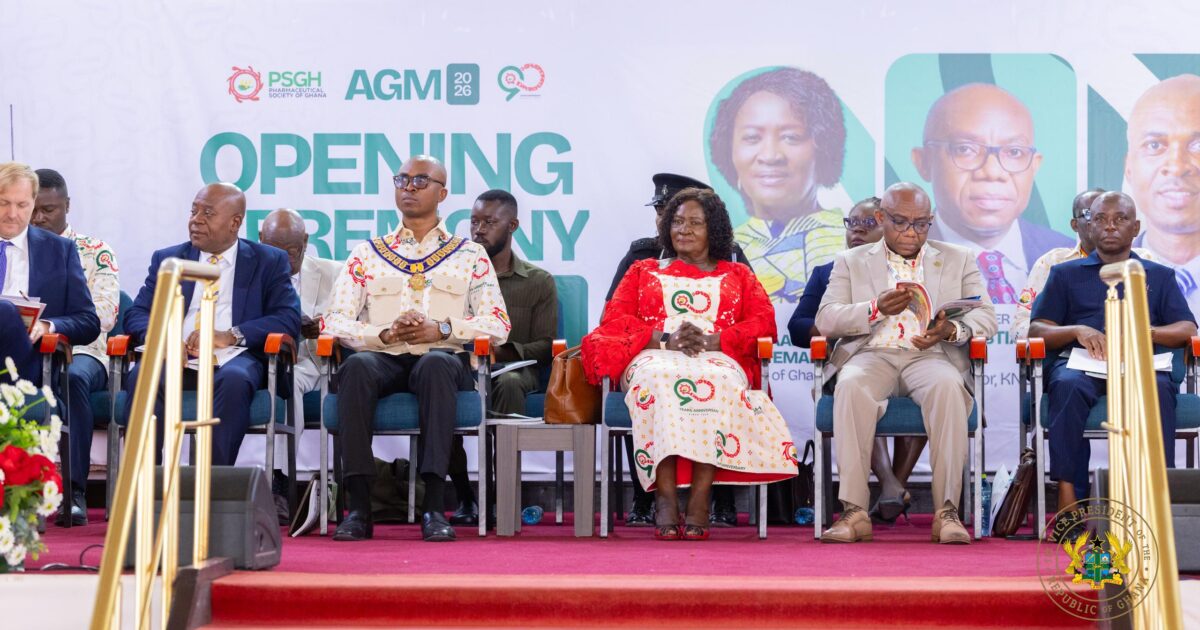
Ghana's government is making a bold push to dramatically increase locally manufactured medicines, with Vice President Professor Naana Jane Opoku-Agyemang calling for the country to shift from heavy reliance on imports to a more self-sufficient pharmaceutical sector. Speaking at the Pharmaceutical Society of Ghana's 90th Anniversary conference in Accra, the Vice President outlined an ambitious five-year strategy to raise the proportion of medicines produced domestically from the current 30% to 70%—a significant leap that would reshape the nation's healthcare supply chain.
The rationale is clear: expanding local production capacity would strengthen Ghana's health system, improve access to essential medicines, and reduce vulnerability to global supply chain disruptions. According to the Vice President, Ghanaian manufacturers are already building capacity to produce a range of critical pharmaceutical products, including infusions, injectables, ophthalmic medicines and anaesthetics. Yet the sector faces real constraints that threaten the government's timeline.
What the pharma industry needs to succeed
While the Pharmaceutical Society of Ghana welcomed the 70% target, its President, Pharm. Paul Owusu Donkor, was frank about the barriers. Achieving such an ambitious goal, he stressed, requires the government to convert its five-year strategy into a properly funded delivery programme with concrete commitments.
Three specific measures were highlighted as essential:
- Predictable public procurement: Government must commit to purchasing quality-assured medicines manufactured locally, giving producers certainty that demand exists.
- Timely supplier payments: Late payments undermine cash flow and discourage investment in manufacturing infrastructure.
- Affordable long-term financing: Pharmaceutical manufacturers need access to low-cost capital to expand production capacity without crippling debt burdens.
These demands underscore a common challenge in Ghana's industrial development: policy targets are easier to announce than to resource and deliver. Without these enabling conditions, manufacturers will struggle to justify the upfront investment required to scale operations.
Why it matters for Ghana
Ghana's push for pharmaceutical self-sufficiency addresses multiple national priorities. First, it reduces foreign exchange outflows—importing medicines drains scarce hard currency reserves that could fund other critical needs. Second, a robust domestic industry creates skilled jobs and develops local technical expertise. Third, local production shortens supply chains, which can reduce medicine prices and improve access for ordinary Ghanaians, particularly in remote areas where distribution of imports is costly and slow.
Beyond manufacturing capacity, the Vice President flagged another urgent challenge: Ghana's evolving health landscape. Non-communicable diseases—hypertension, diabetes, cancer, cardiovascular disease—are increasingly burdening the healthcare system, alongside infectious diseases. She called on pharmacists to expand their role in disease prevention, early detection and chronic disease management. She also highlighted the need for regulatory frameworks that can keep pace with healthcare innovation, including artificial intelligence, digital prescribing systems and new models of medicine supply.
These remarks suggest the government recognises that simply making more pills domestically is insufficient; the entire health system must modernise to meet Ghanaians' changing needs. Pharmacists, who are on the frontline of medicine access and patient counselling, must be equipped and empowered to address these shifts.
The road ahead
The 90th anniversary conference provides a timely platform for dialogue between government, manufacturers and healthcare professionals. The pharmaceutical sector's demands for funding and policy certainty are reasonable; without them, the 70% target risks becoming merely rhetorical. Conversely, if the government follows through with sustained procurement commitments and financing support, Ghana could build a thriving domestic industry that improves health outcomes and strengthens economic resilience.
Source: MyJoyOnline
-1200x675.webp)


Comments (0)
Be the first to comment.