Queiroz questions VAR absence in African football after Ghana's loss to Ivory Coast
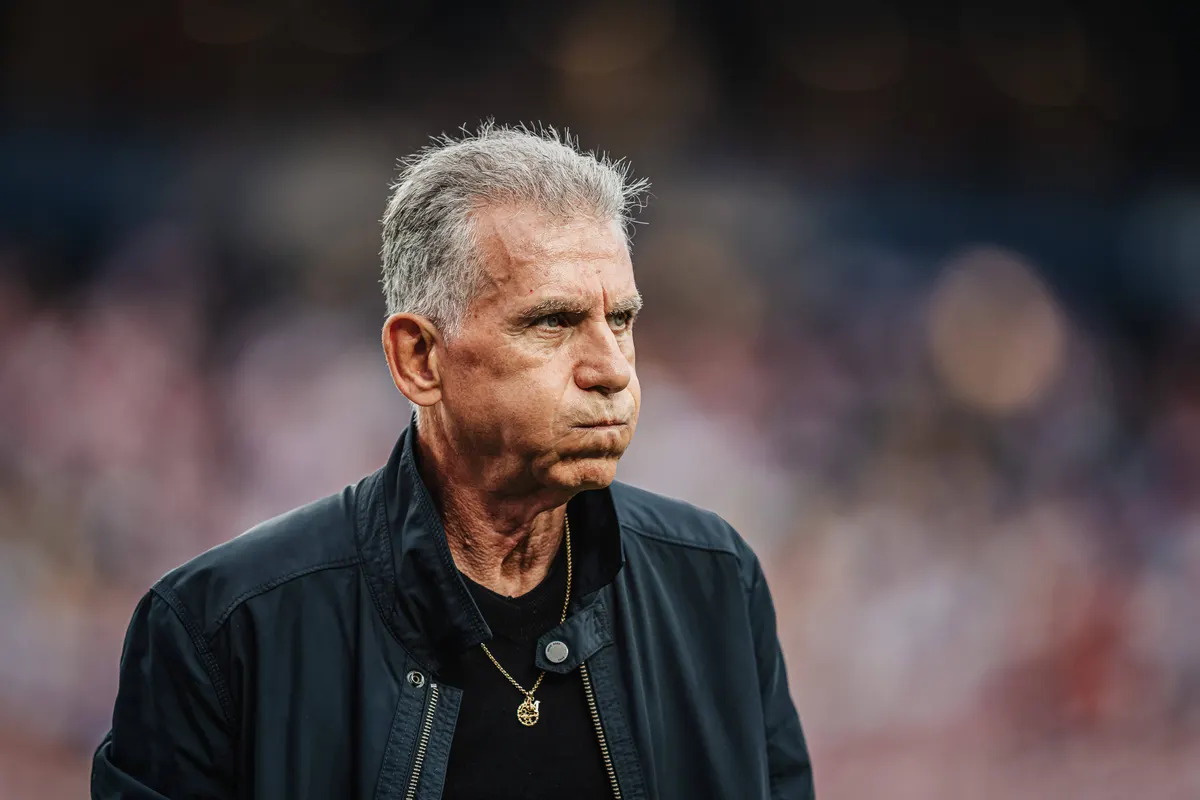
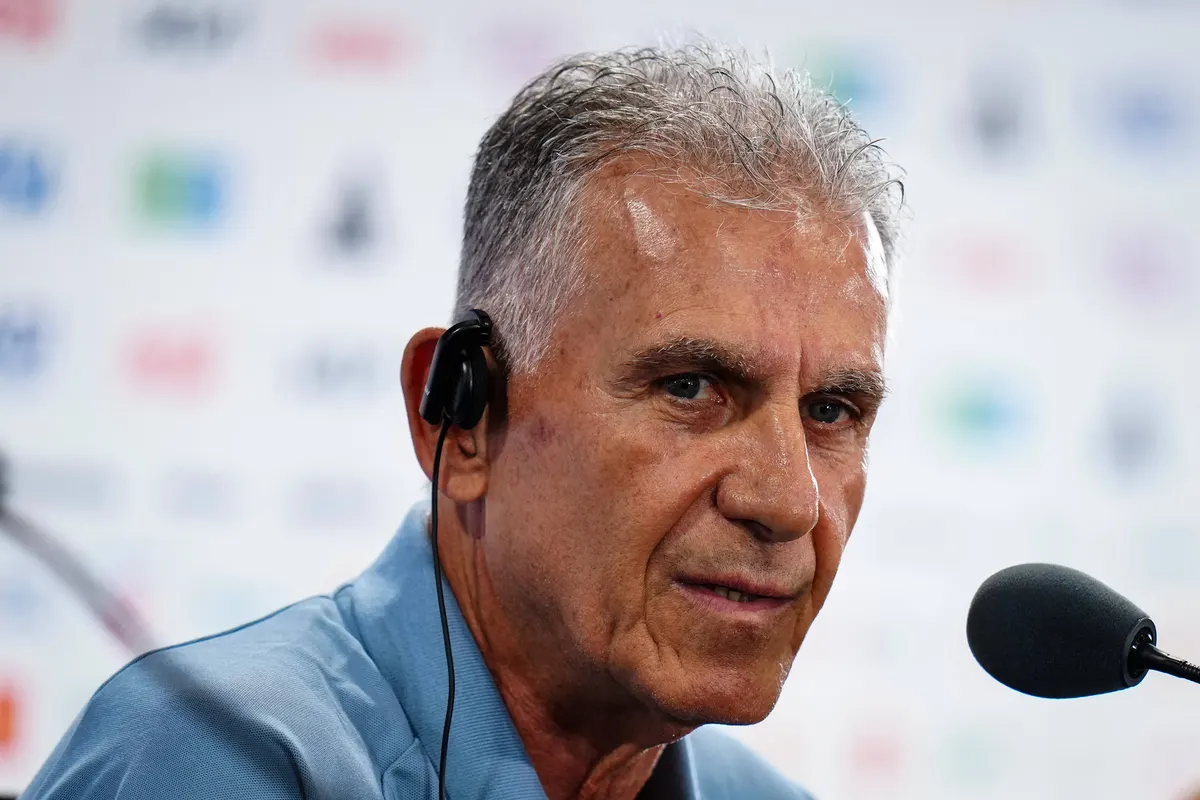
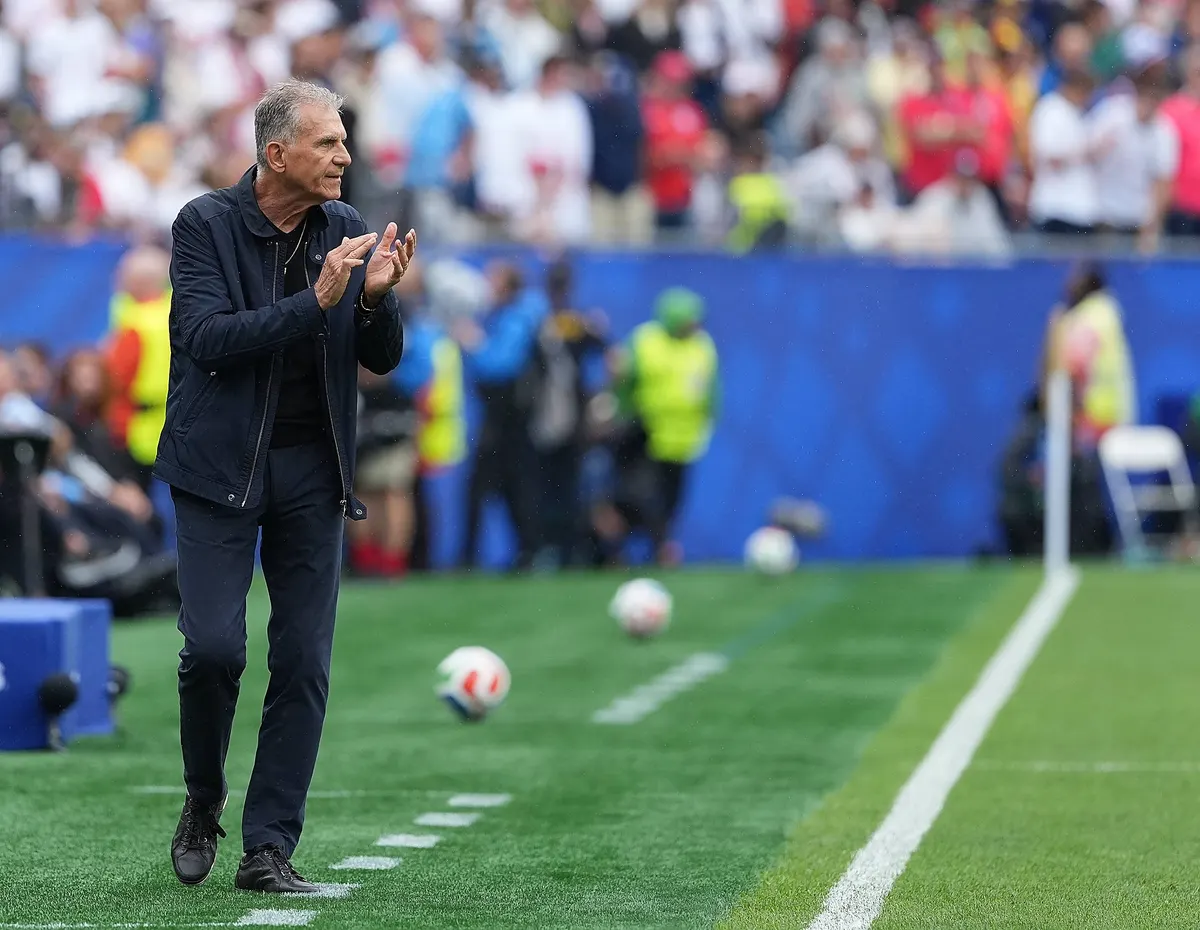
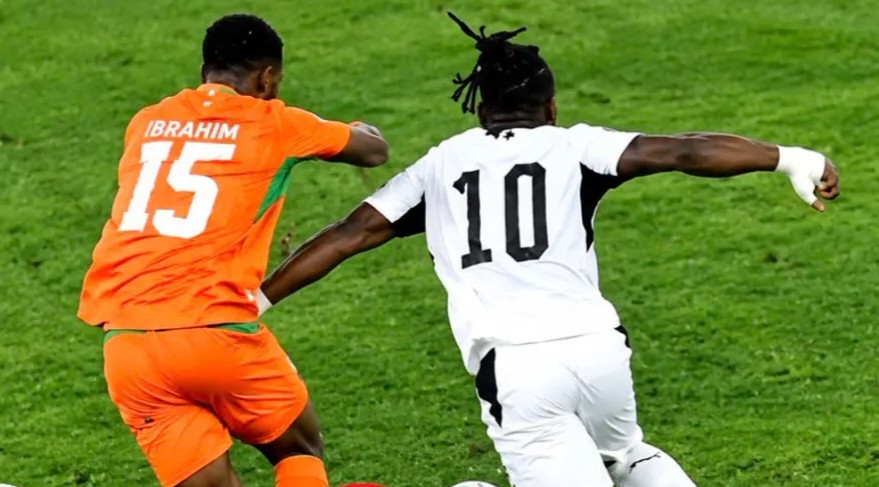
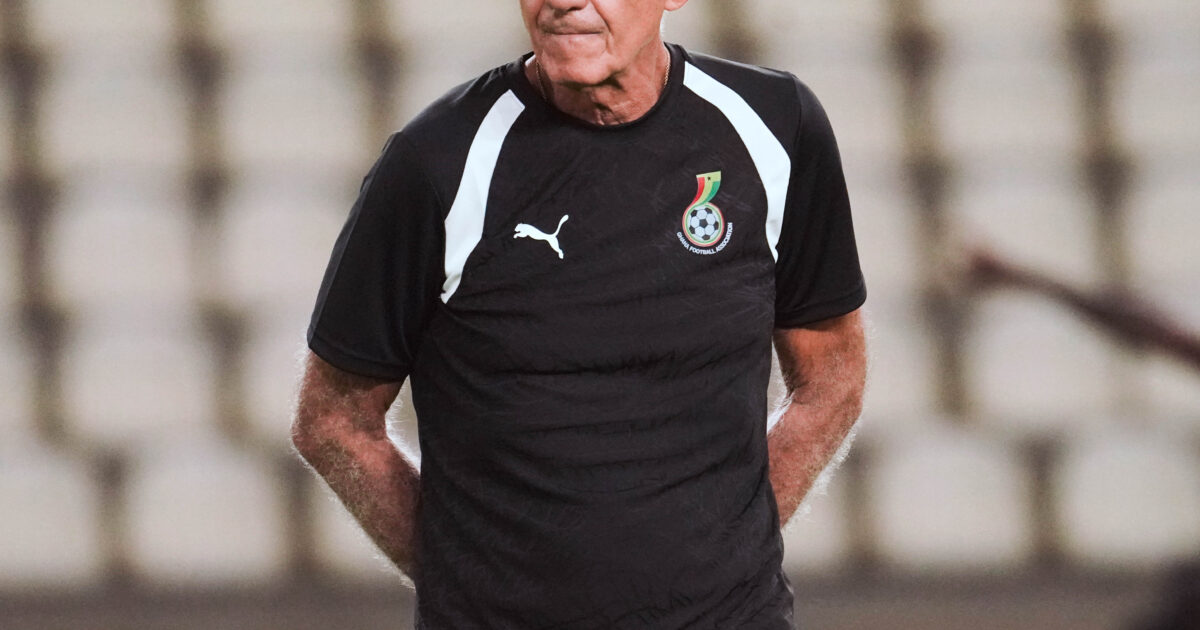
Ghana's head coach Carlos Queiroz has renewed calls for the introduction of Video Assistant Referee (VAR) technology across African football, following the Black Stars' 2-0 defeat to Côte d'Ivoire in their 2027 Africa Cup of Nations qualifier in Bouaké.
The Portuguese tactician's comments underscore growing frustration within the African football community about the disparity in match officiating standards between continental and international competitions. Queiroz's remarks come at a critical moment for Ghana's qualification campaign, as the team seeks to bounce back from the disappointing result in Ivory Coast.
The VAR gap in African football
Unlike major football confederations worldwide, the Confederation of African Football (CAF) has been slow to implement VAR across all competitive fixtures. Whilst some continental tournaments have experimented with the technology, its adoption remains inconsistent across Africa's national team competitions and domestic leagues.
The absence of standardised video review systems means referees must make critical decisions—including penalty calls, red card incidents, and unclear goal-line situations—without technological assistance. This creates inconsistencies that can influence match outcomes and raises questions about competitive fairness across the continent.
Queiroz's intervention highlights a broader conversation among top-level coaches and administrators about bringing African football into alignment with global standards. Major tournaments in Europe, South America, and Asia have benefited from VAR's ability to correct obvious refereeing errors, yet African competitions continue to operate without such safeguards.
Ghana's qualification challenge
The Black Stars' defeat in Bouaké places additional pressure on their 2027 AFCON qualification bid. As one of Africa's traditional football powerhouses, Ghana will need to secure positive results in upcoming fixtures to maintain their chances of reaching the continental tournament.
Queiroz, who previously managed Iran and Colombia at international level, took charge of Ghana's national team with the mandate to restore the country's competitive standing in African football. Results such as the loss to Ivory Coast, one of the continent's strongest teams, will test his ability to stabilise and develop the squad for future campaigns.
Why this matters for Ghana
Beyond the immediate sporting concern, Queiroz's push for VAR adoption reflects Ghana's broader interest in modernising African football governance. As a nation that hosts continental competitions and aspires to competitive excellence, Ghana has a stake in ensuring that technology and standards improve across the continent.
The VAR debate also touches on resource allocation within CAF and member federations. Implementing the technology requires investment in infrastructure, training officials, and stadium upgrades—costs that disproportionately affect developing football nations. Ghana and other African countries have legitimate concerns about the financial burden, even as they recognise the technology's benefits.
Moreover, if Ghana's opponents benefit from superior refereeing systems in their domestic leagues or clubs, the absence of VAR in continental qualifiers creates an uneven playing field. Better officiating standards could strengthen the competitiveness of African football internationally and build confidence among players, coaches, and fans that results reflect on-pitch performance rather than controversial decisions.
Queiroz's call signals that elite-level African football is moving toward demanding the same technological standards enjoyed in other regions. Whether CAF acts on such demands will shape the future trajectory of the continent's most popular sport.
Source: 3News
Comments (0)
Be the first to comment.