Ghana's Drug Crisis Demands Systemic Overhaul, Catholic Bishops Warn After Cocaine Seizure in France
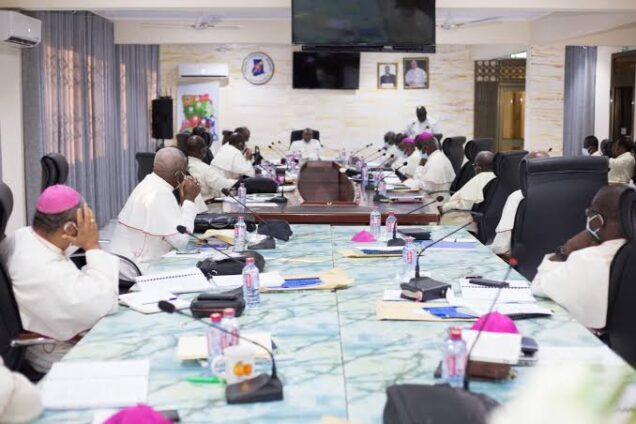
Ghana's Catholic Bishops' Conference has issued an urgent call for coordinated national action to dismantle drug trafficking networks, following the discovery of nearly 3.9 tonnes of cocaine in France that was allegedly concealed within a container of plastic waste exported from Ghana. The Bishops have characterised the trafficking crisis not merely as a law enforcement matter, but as a profound moral emergency demanding institutional reform and accountability at every level.
The Dunkirk seizure, intercepted by French authorities, has exposed vulnerabilities in Ghana's port security and border controls. The Bishops' statement emphasises that such a substantial drug consignment could only have passed through Ghana's legitimate commercial infrastructure with either negligence or complicity—a reality that demands immediate scrutiny of how cargo verification systems operate across Ghana's major ports, airports and land borders.
Institutional Failures and Corruption
The Catholic Bishops have raised an alarming concern: the alleged involvement of public officials and church members in facilitating drug movements. This admission reflects a troubling pattern in which drug trafficking has become embedded within Ghana's institutions rather than operating solely as external criminal activity. The Bishops argue that prosecuting low-level couriers while financiers and network organisers escape justice represents a fundamental failure of any credible anti-narcotics strategy.
The Conference commended the Narcotics Control Commission (NACOC) and other state agencies for their efforts, but their statement implicitly critiques the effectiveness of current approaches. They have specifically welcomed President John Dramani Mahama's formation of an inter-agency task force designed to track narcotics movement through ports, airports and borders—suggesting that previous coordination mechanisms were insufficient.
Why It Matters for Ghana
The implications of Ghana's role in international drug trafficking extend far beyond reputational damage. A country branded as a trafficking hub faces increased scrutiny from international trade partners, potentially affecting legitimate commerce and foreign investment. More critically, the infiltration of drugs into Ghanaian communities poses direct public health and social security threats, particularly among young people.
The Bishops' emphasis on investigating financiers rather than just couriers addresses a systemic gap: organised trafficking networks operate vertically, with those at the top protected by layers of intermediaries. Ghana's law enforcement agencies must develop intelligence capabilities to identify kingpins and money flows, not simply arrest those carrying contraband across borders. This requires international cooperation—particularly with European and American authorities who intercept Ghana-linked shipments—and investment in forensic financial investigation.
The Church's own involvement in trafficking allegations raises questions about how criminal networks exploit institutional trust. Religious institutions, like ports and government agencies, should be considered part of the corruption vulnerability landscape, with appropriate oversight mechanisms implemented.
The Road Ahead
The Bishops have called for thorough investigations into how the French-bound cocaine container passed through Ghana's systems undetected. This requires transparency about port operations, cargo documentation procedures, and the integrity of officials authorising shipments. Ghana's ports authority, customs service and security agencies must collaborate to identify procedural gaps and personnel involved in the alleged smuggling.
The Bishops' statement serves as both moral authority and practical pressure on government to move beyond reactive seizures toward structural reform. Ghana cannot simply strengthen enforcement at borders—it must address corruption within institutions that should be protecting those borders. Until the country dismantles the networks that finance and organise trafficking, rather than cycling through prosecuting couriers, drug seizures will remain symptoms of an unsolved national crisis.
Source: Today GH


Comments (0)
Be the first to comment.