Ghana intensifies crackdown as 3.9-tonne cocaine seizure sparks fresh push against drug networks
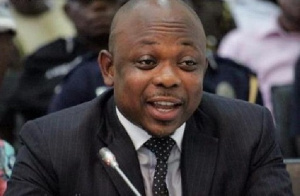
Ghana's government is vowing to intensify its war on drug trafficking, with Majority Leader James Agalga signalling that citizens should expect a surge in arrests and prosecutions as law enforcement agencies ramp up their operations. The pledge comes after French Customs seized nearly 3.9 tonnes of suspected cocaine at the Port of Dunkirk in September 2026, a consignment that originated from Ghana and carried an estimated street value of approximately €225 million.
The shipment had been concealed in a container falsely declared as containing plastic waste, highlighting the sophistication of trafficking operations that exploit Ghana's ports. The incident has intensified scrutiny on Ghana's role in international drug networks and prompted government officials to outline a comprehensive strategy to combat the problem.
New measures and enhanced capabilities
Mr Agalga outlined several key initiatives the government has implemented to strengthen Ghana's defensive posture against drug trafficking. These include improved detection capabilities at borders and ports, increased deployment of technology to identify suspicious shipments, and the establishment of a dedicated court specifically designed to handle narcotics-related prosecutions.
The Majority Leader emphasised that these enhanced detection systems will make it progressively harder for traffickers to operate. "With increased detection capabilities, the drug traffickers definitely are going to be on the run," he stated, expressing confidence that improved technology and dedicated judicial resources would enable faster arrests and prosecutions.
The specialised court represents a significant development, as it addresses one of the persistent challenges in tackling drug crime: lengthy delays in the justice system. By streamlining prosecutions through a dedicated tribunal, Ghana aims to ensure that convicted traffickers face consequences swiftly, potentially serving as a deterrent to would-be smugglers.
International cooperation and network disruption
Mr Agalga underscored the critical importance of collaboration between Ghanaian authorities and law enforcement agencies across other nations. He noted that such partnerships enable officials to identify and dismantle entire trafficking networks rather than simply apprehending individual couriers.
He revealed that international cooperation sometimes involves a calculated strategy: allowing suspected traffickers to proceed across borders so that investigators can track the full chain of command and distributors involved in the operation. "Sometimes they will deliberately allow you to leave with your catch of narcotics substances, the border control delivery, so that the entire network can be locked," he explained. This approach, whilst risky, can yield larger prosecutions and dismantling of organised crime structures.
Why it matters for Ghana
Ghana's emergence as a transit point for international drug trafficking poses significant risks to the nation's reputation, economy and security. Large seizures like the one in France draw unwanted international attention and can affect Ghana's standing with trading partners and financial institutions. The discovery of major shipments also suggests that criminal networks have established well-organised operations within Ghana's ports and transport systems.
The government's commitment to tackling this issue is crucial for protecting Ghana's institutions from corruption and maintaining the integrity of its maritime and customs operations. Drug trafficking networks often corrupt officials, which undermines state capacity and public trust. By demonstrating concrete action through arrests, prosecutions and dedicated courts, the government aims to signal that Ghana is serious about cleaning up these vulnerabilities.
Mr Agalga also addressed Parliament's role in oversight, clarifying that whilst legislators cannot conduct criminal investigations directly, they exercise supervisory functions and can summon law enforcement officials to account for their actions. He cautioned against parallel investigations that might yield conflicting conclusions, emphasising the importance of letting professional agencies complete their work before broader political scrutiny occurs.
The Majority Leader expressed confidence that the combined effect of these interventions would produce visible results within President John Dramani Mahama's term, suggesting that a significant reduction in trafficker activities could be achieved through sustained political commitment and institutional reform.
Source: Today GH

Comments (0)
Be the first to comment.