
Ghana's Bold $9bn 'New Economy' Blueprint: What Mahama's 2027–2030 Plan Means for Ordinary Ghanaians
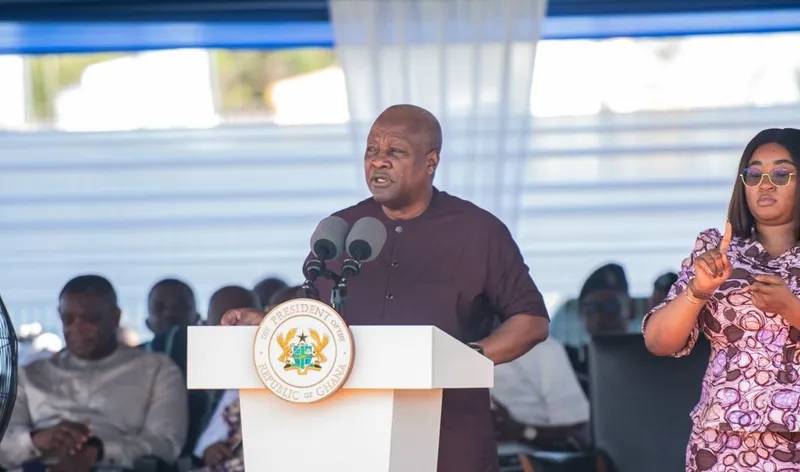

President John Mahama has set out an ambitious economic roadmap worth US$9 billion, branded the 'New Economy' plan, which his administration intends to drive Ghana's growth trajectory from 2027 through to 2030. The plan, which is expected to be formally introduced to Parliament by Finance Minister Dr Cassiel Ato Forson on November 12 as part of the 2027 Budget Statement, signals the government's most detailed articulation yet of where it wants to take the Ghanaian economy in the medium term.
What the 'New Economy' plan proposes
At the heart of the blueprint is a drive to transform Ghana into an investment-grade economy — a rating assigned by international credit agencies to countries deemed stable and creditworthy enough to attract large-scale foreign investment at lower borrowing costs. Achieving investment-grade status would be a significant milestone for Ghana, which has spent recent years navigating a severe debt crisis, an IMF bailout programme, and the painful restructuring of both domestic and external debt.
The US$9 billion framework is understood to span key sectors including infrastructure development, industrialisation, agriculture modernisation, and digital economy growth. The overarching goal, as outlined by President Mahama, is to build an economy that generates enough productive activity and revenue to reduce Ghana's historic dependence on external borrowing and commodity exports.
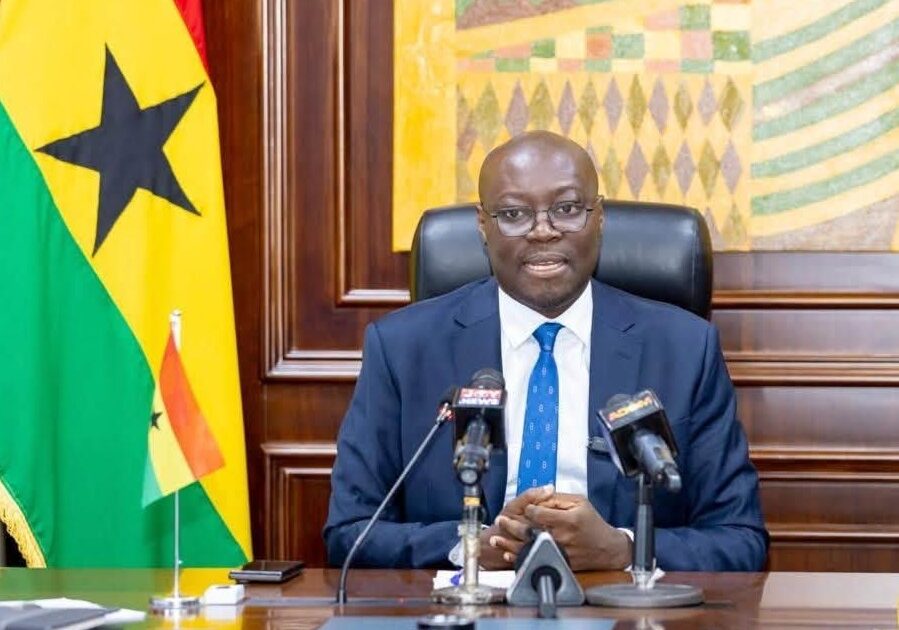
Finance Minister Dr Ato Forson, who has been steering Ghana's fiscal recovery since the beginning of the Mahama administration, will use the November 12 budget presentation as the formal vehicle to lay out the specific spending priorities, financing mechanisms, and timelines attached to the plan. The budget presentation is expected to draw significant attention from investors, development partners, and ordinary Ghanaians alike.
Why it matters for Ghana
For everyday Ghanaians, the significance of this plan extends well beyond economic jargon. Ghana's debt crisis in recent years triggered a sharp depreciation of the cedi, soaring inflation, and painful cuts to public services. The country's exclusion from international capital markets during its debt restructuring meant government had limited options to finance development projects.
Regaining investor confidence — and ultimately achieving investment-grade status — would reopen those financing doors on far more favourable terms. It would mean lower interest rates on government borrowing, more foreign direct investment flowing into businesses and infrastructure, and potentially more jobs and stability for Ghanaian workers and entrepreneurs.
The plan also comes at a critical moment in Ghana's IMF programme. Ghana secured a US$3 billion Extended Credit Facility from the IMF in 2023, and the country has been working steadily through the conditions attached to that agreement. A credible medium-term economic strategy of this scale could strengthen confidence among the IMF and other creditors that Ghana is serious about sustainable fiscal management beyond the bailout period.
Analysts have long argued that Ghana's path to genuine economic resilience requires moving away from cycles of borrowing and crisis towards building a broader tax base, investing in productive sectors, and improving the ease of doing business. The New Economy plan, if implemented effectively, is positioned as precisely that kind of structural shift.
What to watch ahead of November 12
The November 12 budget presentation will be closely scrutinised for the specific details underpinning the US$9 billion figure — including how much will come from domestic revenue, how much from development partners, and what role private investment is expected to play. Critics and opposition voices are likely to question whether the targets are realistic given Ghana's current fiscal constraints and the conditions still attached to the IMF programme.
- Transparency around financing sources will be key to public and investor confidence in the plan.
- Sector-specific allocations — particularly for agriculture, manufacturing, and digital services — will indicate whether the plan addresses Ghana's structural economic weaknesses.
- Progress benchmarks and accountability mechanisms will determine whether the 'New Economy' label translates into tangible improvements in living standards by 2030.
For now, Ghanaians will be watching closely on November 12 when Dr Ato Forson takes to the floor of Parliament to put flesh on the bones of President Mahama's most sweeping economic promise yet.
Source: 3News


Comments (0)
Be the first to comment.