
IMF gives Ghana a cautious thumbs-up on economic reform programme, but flags serious vulnerabilities
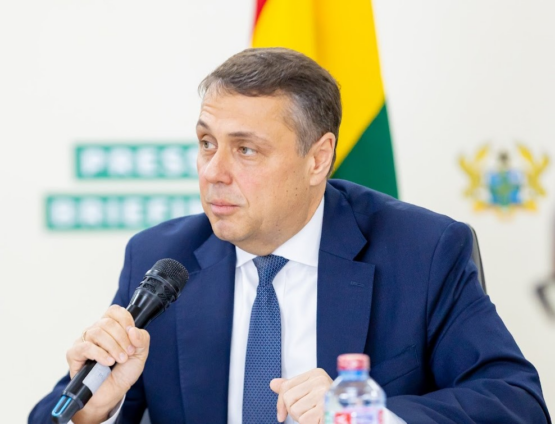

Ghana's economy is making measurable progress under its International Monetary Fund-supported reform programme, but the country is not out of the woods yet. The IMF has assessed Ghana's performance under its 36-month Policy Coordination Instrument (PCI) as broadly satisfactory following a staff mission to Accra, with most quantitative benchmarks met — yet the Fund has issued pointed warnings about lingering vulnerabilities that could derail the gains made so far.
What the IMF found
A team led by Ruben Atoyan visited Accra from 22 October to 4 November 2026 to conduct the first review of Ghana's PCI programme. The mission concluded that authorities had largely kept to agreed targets and were advancing on key structural reforms.
Among the notable achievements, the IMF cited parliamentary approval of the new Cocoa Board Act — legislation designed to tighten governance and restore financial discipline to the perennially troubled cocoa sector. The publication of the Fiscal Strategy Document and the ahead-of-schedule completion of a comprehensive review of customs and excise legislation were also praised.
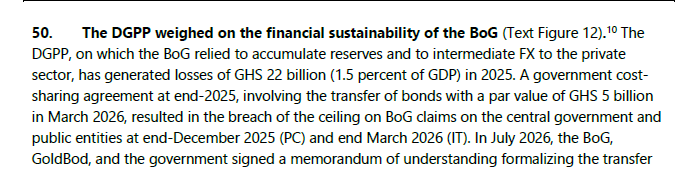
On the monetary side, authorities took corrective steps after a dip in foreign exchange reserves, including transferring foreign exchange intermediation from the Bank of Ghana to GoldBod and requiring large-scale miners to sell more of their gold through official channels. The IMF described these as necessary moves and urged continued exchange rate flexibility to help rebuild reserve buffers.
Fiscal reforms are also gathering pace. The rollout of the Integrated Tax Administration System, the operationalisation of the Fiscal Council, and progress on a Fiscal Risk Statement were all highlighted as positive steps. The 2027 Budget, which Parliament backed with revenue measures in July, targets a primary surplus of 0.5% of GDP — in line with PCI commitments.
Why it matters for Ghana
For ordinary Ghanaians, the significance of this review goes beyond technical economic jargon. The PCI programme is Ghana's main framework for restoring creditor confidence, stabilising the cedi, and creating the conditions for sustainable growth after the country's severe debt crisis of recent years. Meeting IMF benchmarks helps unlock access to international capital markets and supports negotiations with bilateral creditors.
The IMF noted that the fiscal space being created is intended to fund the government's New Economy priorities — including job creation and closing the infrastructure gap. However, the Fund stressed that rigorous project appraisal, competitive procurement, and tight expenditure controls are essential to ensure value for money and protect debt sustainability. In plain terms: the government must spend wisely and avoid the kind of wasteful public expenditure that contributed to Ghana's debt distress in the first place.
The electricity tariff adjustments, which have been implemented on a quarterly basis, are also part of the reform package — a measure that directly affects household and business costs across the country.
Risks that could set Ghana back
Despite the broadly positive assessment, the IMF was candid about the risks that remain. Externally, Ghana is exposed to swings in the prices of its three main export commodities — gold, cocoa and oil — as well as geopolitical tensions and tightening global financial conditions that could increase borrowing costs.
On the domestic front, the Fund flagged substantial debt rollover needs, meaning large sums of maturing debt must be refinanced in the coming period. Fiscal pressures in the energy, cocoa and gold sectors also persist, as does residual weakness in the financial system.
The IMF called for stronger governance measures, specifically urging the adoption of the Conduct of Public Officers Bill, publication of the second National Ethics and Anti-Corruption Action Plan, and improved oversight of state-owned enterprises. The Fund argued these steps would bolster public trust and attract private investment — both of which Ghana urgently needs.
Notably, the delayed publication of an audit of the Electricity Company of Ghana's collection accounts was flagged as an outstanding issue that must be resolved promptly.
- Ghana's economic reform path remains credible, but execution discipline will be the defining test in the months ahead.
Source: The Ghana Report

Comments (0)
Be the first to comment.