
Ghana's Tourism Minister Pushes for Creative Pay Reform and Return of Africa's Stolen Artefacts at ECOWAS-WIPO Summit
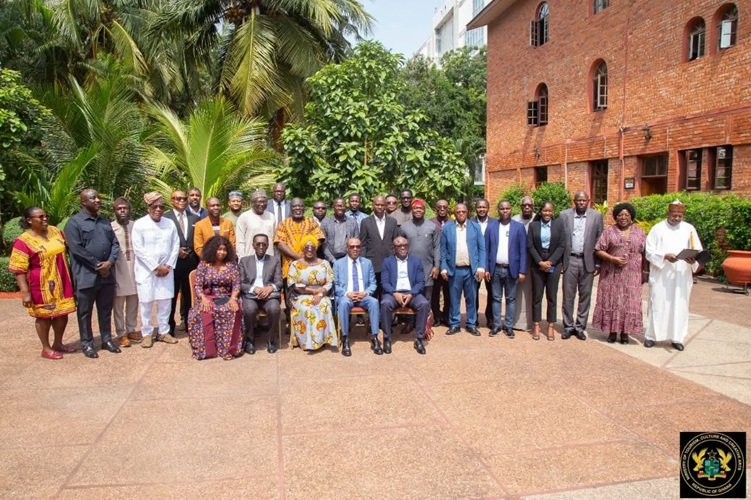

Ghana's Minister for Tourism, Culture and Creative Arts, Abla Dzifa Gomashie, has thrown her weight behind a continental push to ensure that creative professionals are fairly paid for their work and that Africa's stolen or displaced cultural heritage is returned to its rightful home. Speaking at a high-level technical meeting held in Accra, the minister outlined a clear agenda: protect intellectual property rights, build systems for private copying remuneration, and intensify the recovery of African artefacts currently held abroad.
What was discussed at the Accra meeting
The technical meeting brought together representatives from the Economic Community of West African States (ECOWAS), the World Intellectual Property Organisation (WIPO), and a range of other key stakeholders. It was designed to move beyond rhetoric and produce concrete, practical action plans that can be implemented across the region.
Madam Gomashie used the platform to press for robust intellectual property frameworks that genuinely serve Africa's creative community — musicians, writers, filmmakers, visual artists and others who too often see their work exploited without adequate compensation. A particular focus was placed on private copying remuneration systems, which are mechanisms that collect levies on devices and blank media used to copy creative content, then redistribute those funds to rights holders. Many European countries have operated such systems for decades, but their adoption across West Africa remains limited.
The minister also reiterated Ghana's and Africa's long-standing demand for the repatriation of cultural objects — masks, sculptures, royal regalia, manuscripts and other artefacts — that were removed from the continent during the colonial era and are now housed in museums and private collections in Europe and elsewhere.
Why it matters for Ghana
Ghana has a large and vibrant creative economy, encompassing music, film, fashion, visual arts and cultural tourism. Yet many Ghanaian creatives struggle to earn sustainable incomes from their work, partly because copyright enforcement remains weak and licensing systems are underdeveloped. A coordinated ECOWAS-wide approach, backed by WIPO's technical expertise, could give Ghanaian artists and content creators far greater legal and financial protection.
On the question of artefacts, Ghana has been among the African nations most vocal about repatriation. Items of deep historical and cultural significance — including objects connected to Ghanaian kingdoms and communities — are held in institutions such as the British Museum and other European collections. The return of such pieces would not only restore cultural identity but could also boost Ghana's heritage tourism sector, which the government has been actively developing.
The broader continental context is significant too. The African Union has made cultural heritage recovery a policy priority, and momentum has been building internationally, with some European museums beginning to return objects in recent years. A coordinated West African position, formalised through ECOWAS, would strengthen the hand of individual countries in negotiations with foreign institutions and governments.
What comes next
The Accra meeting is expected to culminate in actionable recommendations that ECOWAS member states can adopt at the national level. For Ghana, implementation would likely involve strengthening the Copyright Office, working with collecting societies, and engaging diplomatically on artefact returns.
- Madam Gomashie's call signals that Ghana intends to lead on both fronts — creative economy reform and cultural repatriation — rather than waiting for others to set the pace.
- The involvement of WIPO adds crucial technical credibility to the process, offering member states a framework rooted in internationally recognised intellectual property standards.
- Civil society groups and creative industry bodies in Ghana will be watching closely to see whether the action plans produced translate into real policy changes at home.
For Ghana's creatives and cultural advocates, the meeting in Accra represents a meaningful step — but they will rightly judge progress by what actually changes on the ground.
Source: The Ghanaian Times

Comments (0)
Be the first to comment.