
EU Pushes to Transform Ghana's Agribusiness Sector Beyond Raw Commodity Exports

The European Union has signalled a strong intent to deepen its investment footprint in Ghana's agricultural sector, with a clear focus on moving the country away from raw commodity exports towards higher-value processing, better storage and stronger distribution networks. The move, announced at the EU-Ghana Agri Business Exhibition organised by EuroCham Ghana, could have far-reaching implications for farmers, processors, exporters and young entrepreneurs across the country.
From Farm to Factory: What the EU Is Proposing
EU Ambassador to Ghana, Rune Skinnebach, laid out a vision in which European investors partner with Ghanaian businesses to unlock commercial opportunities across the full agricultural value chain. Rather than simply producing more cocoa, cassava, maize or other staples in raw form, the Ambassador stressed that Ghana must capture more value from what it already produces.
Key investment areas identified include cold-chain infrastructure, modern packaging, product branding, and food processing technology. These are sectors where European companies can contribute machinery, financing and technical expertise, while Ghanaian businesses bring local market knowledge and on-the-ground networks.
The EU plans to channel support through its Global Gateway Strategy and the Team Europe approach — frameworks designed to mobilise European public and private investment in sustainable infrastructure and production systems across partner countries. Together, these tools are intended to make European investment more coordinated and impactful than traditional bilateral aid.
The Background: A Decade-Old Trade Deal with Untapped Potential
Central to the EU's pitch is Ghana's Economic Partnership Agreement (EPA) with the bloc, which celebrates its tenth anniversary this year. The agreement grants eligible Ghanaian agricultural products duty-free and quota-free access to the vast EU market — a significant advantage for exporters of fresh produce and processed foods that many Ghanaian businesses have yet to fully exploit.
Ambassador Skinnebach acknowledged that access to the EU market alone will not automatically translate into gains. He pointed to persistent challenges including limited access to finance for small and medium-sized agribusinesses, gaps in reliable infrastructure such as roads and cold-chain logistics, and the need for more predictable regulatory environments to give investors the confidence to commit capital.
Crucially, Ghanaian exporters must also meet stringent European standards on food safety, quality and traceability before they can benefit from the agreement. This remains a barrier for many producers who lack the certification processes or technology to demonstrate compliance with EU requirements.
Why It Matters for Ghana
Ghana's agriculture sector employs a significant share of the population, yet the country continues to export large volumes of raw commodities — most notably cocoa — with relatively little domestic processing. This means much of the profit generated from Ghanaian-grown products ends up being captured abroad, rather than retained in local economies.
A shift towards agro-processing would not only increase export revenues but could also create thousands of jobs, particularly for women and young Ghanaians who are disproportionately active in food production and small-scale trade. Stronger cold-chain and storage infrastructure would equally help reduce post-harvest losses, which currently cost Ghana's farming communities significant income every year.
For policymakers, the EU's interest presents a timely opportunity to attract structured foreign investment into a sector that successive governments have identified as a priority for economic transformation. The challenge will be converting high-level diplomatic enthusiasm into concrete projects on the ground.
- EU investment will target processing, cold-chain storage and packaging across Ghana's agricultural value chain.
- Ghana's Economic Partnership Agreement with the EU offers duty-free market access but compliance with food safety standards remains key.
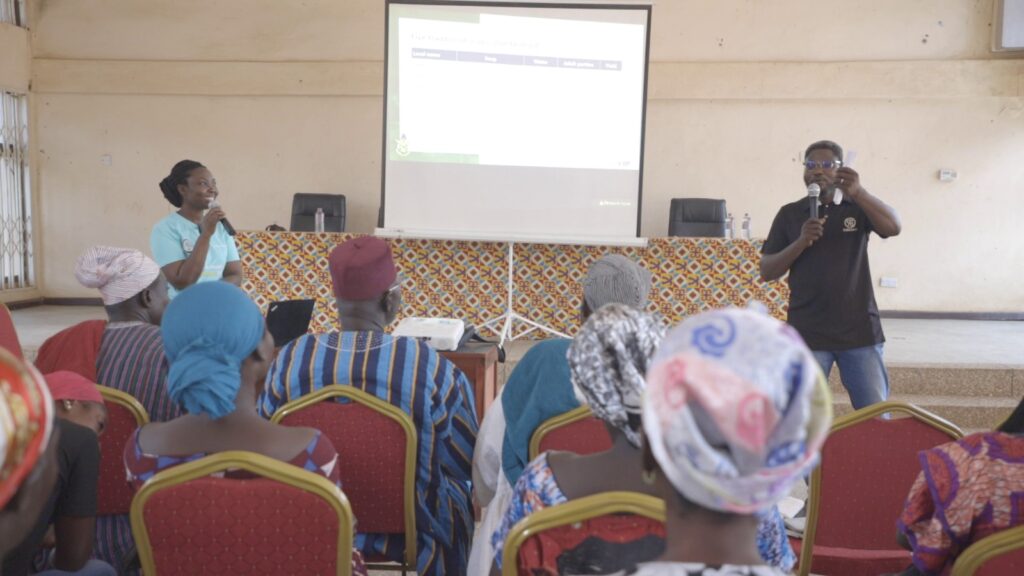
- Ambassador Skinnebach urged Ghanaian businesses to use the exhibition to forge lasting commercial partnerships with European investors.
Source: The Ghana Report



Comments (0)
Be the first to comment.