
MTN Ghana Pledges $1.1 Billion to Boost Connectivity and Digital Inclusion Over Three Years


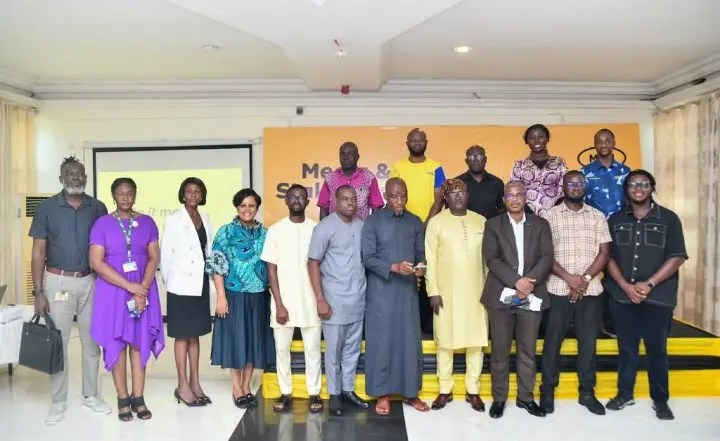
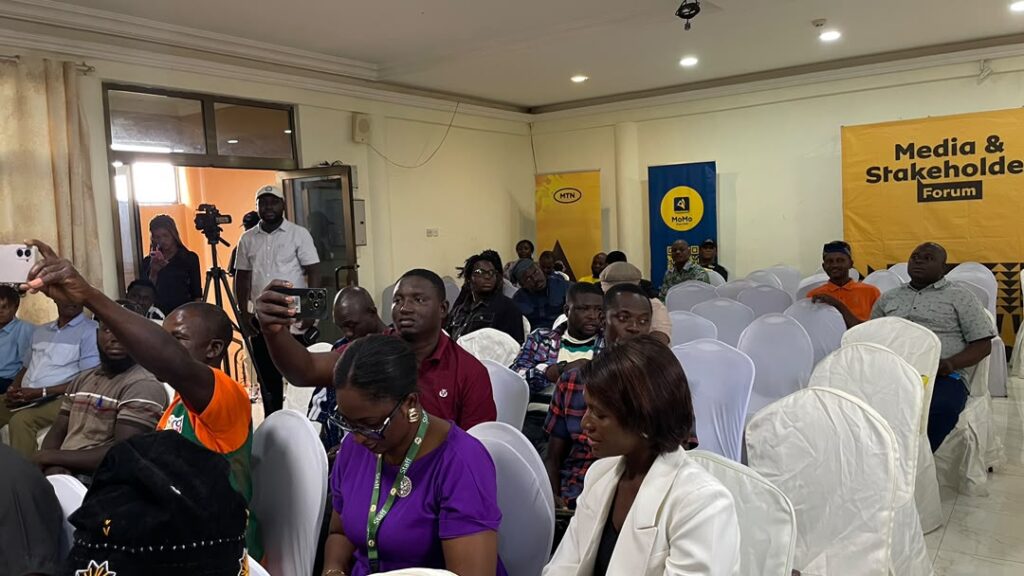
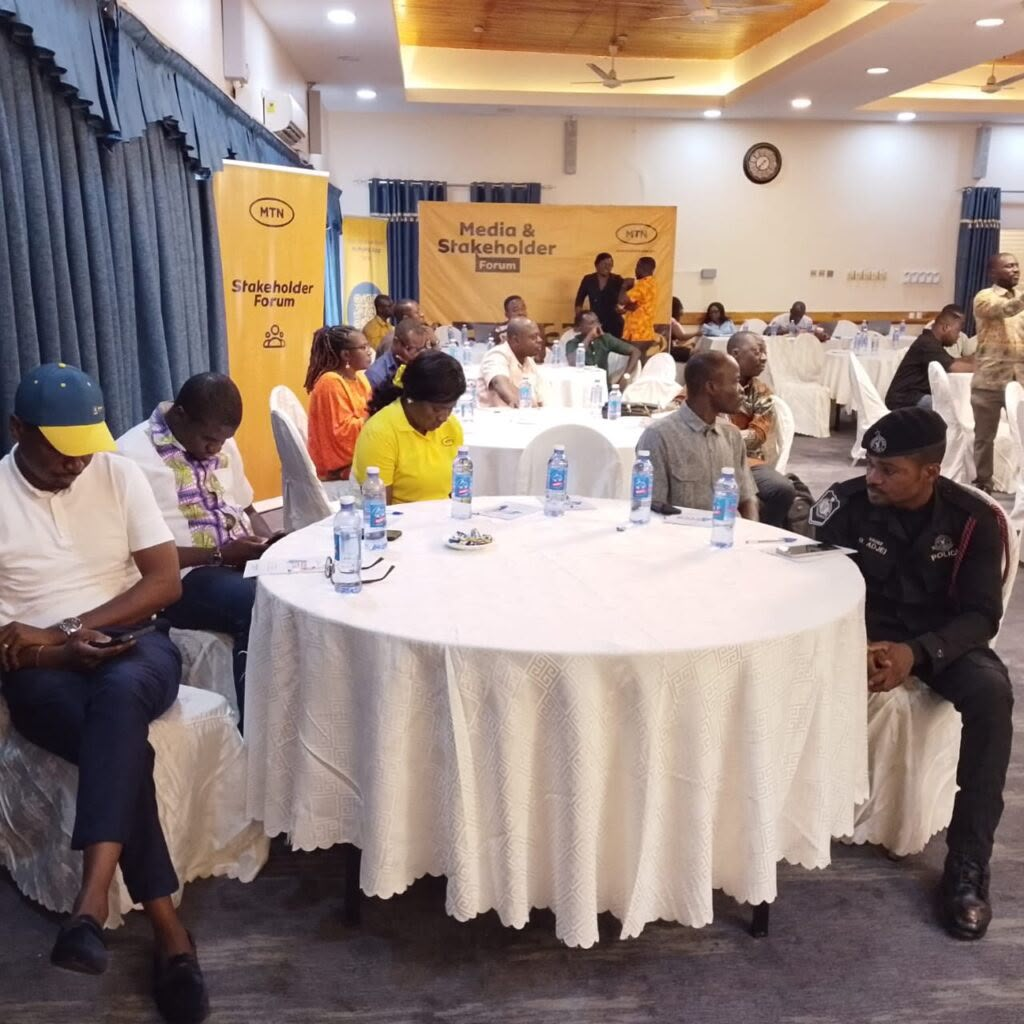
MTN Ghana has unveiled an ambitious $1.1 billion investment plan spanning three years, aimed at strengthening its network infrastructure, improving service quality, and bringing reliable digital connectivity to communities that have long been left behind. The announcement was made by the company's General Manager, Mr David Gyimah Boadi, at a regional stakeholder engagement held in Koforidua, Eastern Region, as part of celebrations marking the telecom giant's 30th anniversary of operations in Ghana.
What the investment covers
Of the total $1.1 billion commitment, approximately $380 million has been set aside specifically for 2026, reflecting the urgency with which MTN Ghana is responding to rapidly growing demand for digital services across the country. A significant component of this year's spend involves the deployment of 500 new cell sites nationwide, a move intended to plug coverage gaps and bring more communities onto the network.
Mr Boadi made clear that the investment goes beyond simply rolling out infrastructure. MTN Ghana is also channelling resources into digital skills development, education and innovation — areas the company views as essential to ensuring Ghanaians can genuinely benefit from expanded connectivity. Through the MTN Skills Academy, the company says it is equipping more than 100,000 young people with digital literacy, financial skills and career readiness training. The MTN Ghana Foundation has additionally awarded 500 scholarships this year, with each package covering tuition, accommodation, a monthly stipend and a laptop.
On the financial side, MTN Ghana reported a 32.3 per cent increase in service revenue to GH¢15 billion in the first half of 2026, suggesting the company's transition from a traditional telecoms provider into a broader digital platform business is gaining commercial traction.
Why it matters for Ghana
Ghana's digital economy ambitions have long been hampered by uneven network coverage, high data costs and low levels of digital literacy — particularly in rural and peri-urban areas. A $1.1 billion commitment from the country's largest mobile network operator is therefore significant, not just for consumers frustrated by patchy service, but for the broader goal of economic inclusion.
When people in underserved communities gain reliable internet access, the downstream effects can be substantial: farmers can access market prices, small traders can use mobile money, students can pursue online learning, and entrepreneurs can reach customers beyond their immediate geography. Mr Boadi himself stressed this point, noting that digital inclusion must go beyond mere access and translate into tangible improvements in livelihoods and futures.
The investment also arrives at a moment when Ghana's government is pushing hard on digitalisation — from e-government services to the Ghana.GOV platform — making private sector infrastructure spending a critical enabler of those public ambitions. MTN's rollout of 500 new cell sites will be particularly watched in communities that currently sit outside reliable network coverage zones.
Challenges that remain
Despite the optimism surrounding the announcement, Mr Boadi acknowledged that affordability, access and digital literacy remain stubborn challenges. He called for collaboration among telecoms operators, government, educational institutions and development partners to address these barriers collectively — a signal that investment alone, however large, cannot solve Ghana's digital divide on its own.
- The cost of data and devices continues to put meaningful internet use out of reach for many Ghanaians, particularly those in lower-income households.
- Digital literacy gaps mean that even where connectivity exists, many people lack the skills to use it productively.
- Regulatory frameworks will need to keep pace with MTN's evolution from a telecoms company into a digital services platform, raising questions about competition, consumer protection and data privacy.
As MTN Ghana marks three decades in the country, the $1.1 billion pledge represents its most substantial infrastructure commitment to date — one that, if delivered, could meaningfully reshape the digital landscape for millions of Ghanaians in the years ahead.
Source: The Ghanaian Times

Comments (0)
Be the first to comment.