MTN's 30-year push: How mobile money is reshaping Ghana's economy and rural connectivity
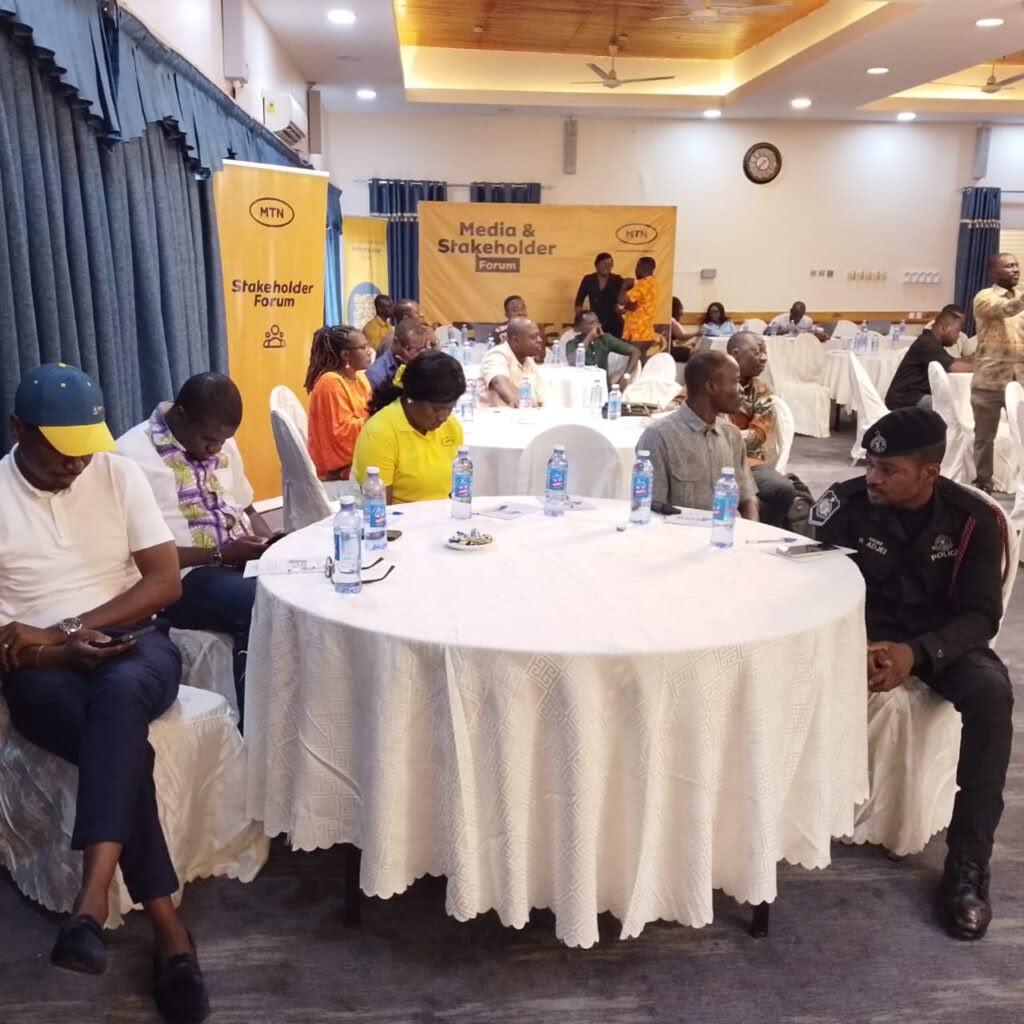
Mobile money has become far more than a payment convenience in Ghana—it is now a significant employment driver and economic backbone for hundreds of thousands of people across the country. At a stakeholder engagement in Sunyani this week, telecom giant MTN Ghana underscored this reality whilst mapping out its vision for the next three decades, positioning itself as a key partner in the nation's digital transformation agenda.
The company revealed that its mobile money network now supports over 600,000 livelihoods, with an ecosystem comprising 350,000 agents and close to 300,000 merchants operating nationwide. For many Ghanaians, particularly those in informal sectors, these platforms have become essential income sources, offering alternatives to traditional employment and enabling financial participation previously out of reach.
The Mobile Money Revolution Beyond Transactions
David Nana Addae, MTN's Mobile Money Manager for Northern Ghana, emphasised that the impact extends well beyond simple money transfers. In a labour market where formal employment opportunities remain limited, the mobile money ecosystem has created tangible livelihood opportunities. The platform has enabled agents in remote kiosks and merchants accepting QR code payments to build sustainable businesses and contribute to their communities' economic activity.
MTN also highlighted its role as a major tax contributor to Ghana's public coffers, whilst simultaneously accelerating the shift towards cashless transactions. By making financial exchanges faster and more secure, the company has positioned itself as instrumental in modernising Ghana's payment infrastructure. The company has also invested in building financial capacity among small and medium enterprises, helping SMEs scale operations and improve their contribution to economic growth.
Closing the Urban-Rural Digital Divide
Network coverage remains critical to digital inclusion, particularly in regions where infrastructure has historically lagged. Recent MTN deployments show tangible progress: the Bono Region now has 39 network sites, Ahafo has 27, and Bono East has 29. These investments have enabled farmers in cocoa-producing areas to access communication and internet services—a practical shift that allows rural producers to connect with markets, access information, and manage transactions without travelling to urban centres.
Ing. Dickson Amoung-Yam, MTN's Field Service Manager for Kumasi, acknowledged that whilst the company aims for comprehensive coverage, resource allocation inevitably prioritises densely populated areas where immediate demand is highest. Nonetheless, the expansion into previously underserved communities represents progress in bridging Ghana's persistent digital divide.
Why It Matters for Ghana
As Ghana continues its transition towards a digital economy, the private sector's role in enabling financial inclusion and infrastructure development cannot be overstated. MTN's 30-year presence and ongoing investments signal confidence in Ghana's digital future, but they also reflect a broader trend: digital financial services are now essential to poverty reduction, employment creation, and economic competitiveness.
The mobile money ecosystem particularly matters for Ghana's informal economy, which employs millions outside traditional wage structures. By formalising transactions and creating measurable economic participation, platforms like MTN's MoMo have given policymakers tools to understand and support this vast segment of the workforce. Similarly, rural connectivity enables agricultural producers—a cornerstone of Ghana's economy—to access real-time market information and reduce transaction costs.
Looking ahead, MTN's stated commitment to further digital innovation and coverage expansion will likely remain central to Ghana's broader development agenda, especially as government pursues cashless payment systems and digital tax compliance initiatives.
Source: MyJoyOnline



Comments (0)
Be the first to comment.