
Ghana to upgrade 1,400 rural phone sites to 4G as government pushes digital inclusion
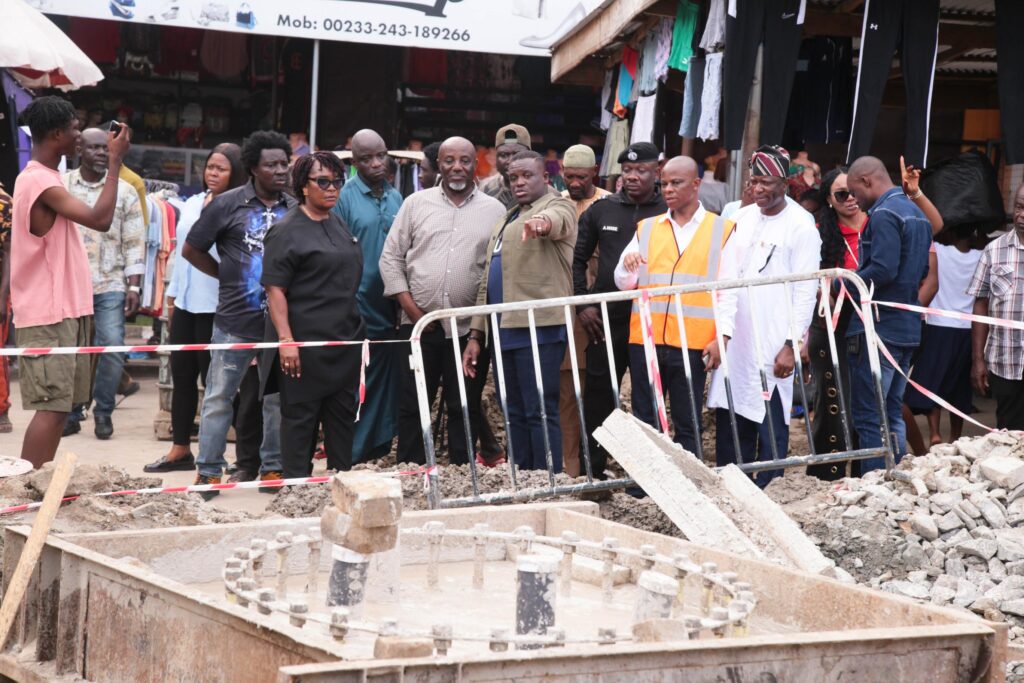

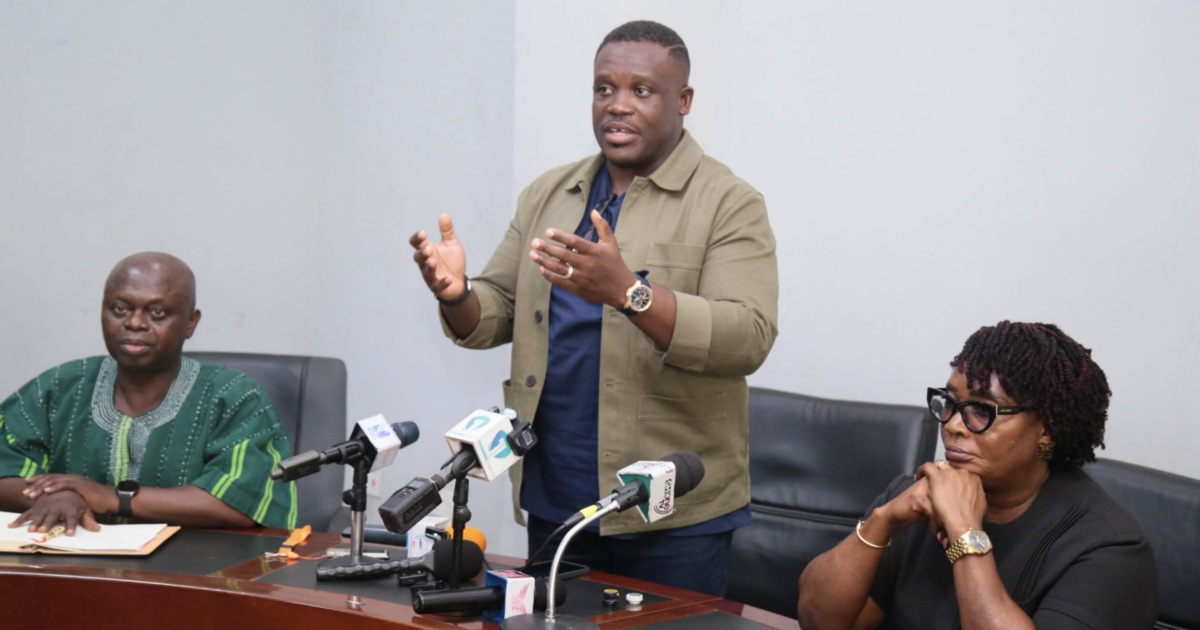
Ghana's government is embarking on an ambitious upgrade of its Rural Telephony Project, with plans to convert all 1,400 active sites nationwide to at least 4G capability. Communications Minister Samuel Nartey George announced the initiative after inspecting infrastructure sites in the Eastern Region, signalling a major push to close the digital divide between urban and rural Ghana.
The move comes as the world advances towards 5G and 6G technologies, making existing 2G and 3G networks increasingly obsolete for modern digital services. George emphasised that rural communities deserve access to contemporary connectivity standards, framing the upgrade as essential infrastructure investment comparable to government spending on roads, schools and hospitals.
Scale of the Rural Telephony Upgrade
Currently, around 1,400 Rural Telephony Project sites are carrying active traffic, with another 300 completed but awaiting connection to donor sites. Approximately 300 additional sites remain under construction, working towards the project's ultimate target of 2,016 sites. The government has allocated GH¢30 million to rural telephony projects under the Ghana Investment Fund for Electronic Communications this financial year, with GH¢4 million earmarked for urgent remedial works on 20 damaged sites.
Many existing sites require significant upgrades. Whilst donor and mast infrastructure are already configured to support 4G, receiving equipment and radios at local sites need replacement. Some sites have suffered damage from lightning strikes and power surges, whilst others require cabling work before they can operate at higher capacity.
Beyond Rural Telephony upgrades, major operators are expanding capacity substantially. MTN is deploying 800 new sites this year with 180 already complete and 400 expected operational by year-end. Telecel is constructing approximately 350 sites. This represents the largest cell-site infrastructure expansion by a major telecommunications operator in the past decade.
Resolving Technical Barriers and Charging Issues
A persistent frustration for rural subscribers involves unexpected data charges. The minister revealed that some customers on RTP sites experience regular data bundle bypasses, triggering direct billing for data usage. The National Communications Authority is working with mobile network operators to resolve this technical integration issue.
Additionally, George announced plans to reverse extra charges associated with calls and data on certain rural networks, addressing longstanding complaints from underserved communities about disproportionate costs.
Why This Matters for Ghana
Rural connectivity directly impacts economic opportunity, education and healthcare access across Ghana. Farmers, traders and small business owners in farming communities rely on mobile networks for market information, financial services and business operations. Students in remote areas depend on data access for online learning resources. Healthcare workers require reliable networks for telemedicine and emergency coordination.
The upgrade strategy also supports Ghana's broader digital transformation agenda and e-governance initiatives. As government services increasingly move online—from tax filing to business registration—ensuring rural populations can access these platforms becomes critical to inclusive development. The planned peri-urban network expansion addresses another gap: rapidly growing communities on city fringes that lack adequate infrastructure as populations migrate from purely rural areas.
The government's 5G spectrum auction, running concurrently with these upgrades, will further enhance national capacity and complement rural infrastructure improvements. Together, these initiatives signal a deliberate policy shift to treat digital infrastructure as fundamental public utility investment rather than peripheral luxury.
Minister George also addressed community concerns about cell tower health impacts, assuring residents that telecommunications infrastructure is regulated by the National Communications Authority, Ghana Standards Authority and Radiation Protection Institute, and that sites do not produce radioactive waste.
Source: MyJoyOnline

Comments (0)
Be the first to comment.