Cedi tumbles to 11.95 per dollar as import demand drains forex reserves
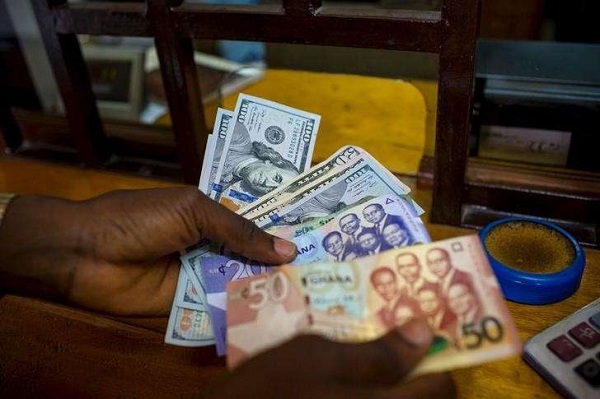
Ghana's cedi has come under fresh pressure, depreciating to GH¢11.95 against the US dollar at forex bureaus this week, as strong demand from importers and foreign investors seeking to repatriate earnings continues to outstrip available foreign exchange in the interbank market.
The currency weakness represents a continuation of broader depreciation trends, with the cedi losing 8.77% of its value year-to-date and partially erasing gains made in August. In the interbank market, the cedi weakened more sharply to GH¢11.46 per dollar, whilst also falling against other major currencies including the British pound and euro.
What's driving the cedi weakness
According to analysis from Databank Research, the recent depreciation has been driven primarily by heavy corporate and offshore foreign exchange demand tied to import payments, dividend and coupon repatriation, and early year-end inventory purchases. These pressures have collided with a relatively tight supply of dollars in the interbank market.
The Bank of Ghana's reported decision to reduce its September intervention target to US$500 million has further constrained liquidity, leaving banks with fewer dollars to sell to importers and businesses needing foreign currency. Roughly 70% of the fortnight's depreciation occurred within the first week, suggesting market jitters were concentrated in the early days of the period before stabilising somewhat.
Retail forex movements have been relatively more subdued, with the dollar appreciating only 0.42% at the bureaus, suggesting the acute pressure is contained largely to wholesale interbank transactions rather than affecting ordinary consumer transactions as severely.
Why it matters for Ghana
Currency weakness directly impacts Ghana's economy in several critical ways. A weaker cedi increases the cost of imported goods and raw materials, potentially feeding through to inflation and raising prices for consumers at the retail level. For businesses reliant on imported inputs—from manufacturing to pharmaceuticals to food processing—a depreciating cedi squeezes profit margins and raises production costs.
The trend also complicates Ghana's economic management. The central bank must balance supporting the currency through intervention whilst preserving forex reserves needed for essential imports and debt servicing. A prolonged period of depreciation can undermine investor confidence and make external borrowing more expensive.
However, authorities have signalled confidence in stabilisation measures ahead. Databank Research noted that GoldBod's planned injection of US$700 million into the forex market, combined with continued Bank of Ghana support and ongoing reserve accumulation, should improve liquidity and prevent a disorderly currency collapse.
Outlook and policy response
Whilst Databank expects the cedi to retain a mild depreciation bias in coming weeks, the outlook is not entirely bleak. The combination of fresh forex inflows from development partners and improved supply should help stabilise the currency and reduce the risk of sharp, sudden movements that could destabilise the broader economy.
The key metric to watch is interbank supply: if commercial banks can access adequate dollars, competitive pressures should keep rates stable. The forex bureaus, which typically quote slightly better rates than the interbank market, suggest that retail supply remains healthier than wholesale supply.
Source: The Ghana Report

Comments (0)
Be the first to comment.