Cedi Holds Ground Despite July Depreciation as BoG Maintains Forex Lifeline
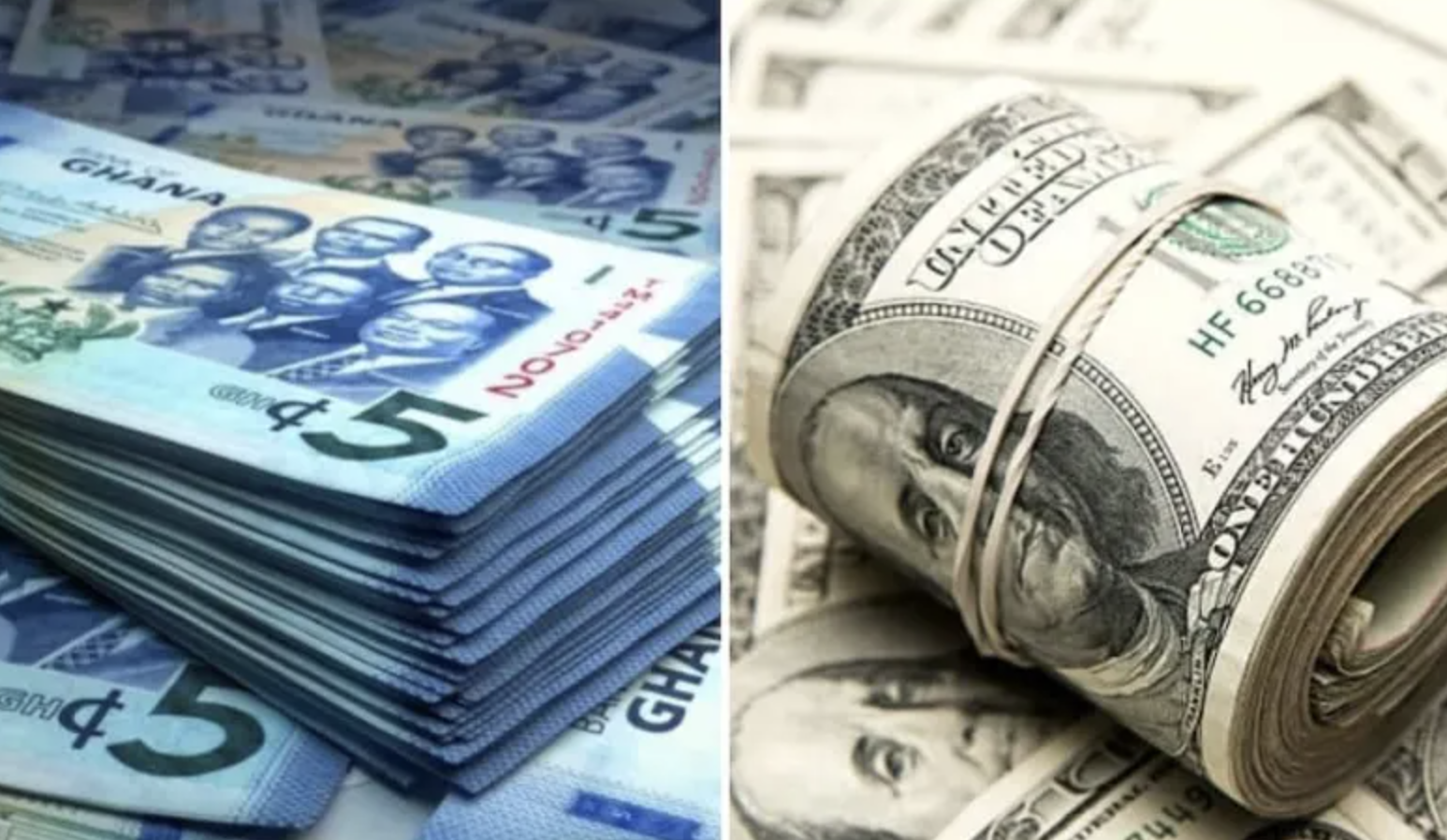
Ghana's cedi depreciated modestly during the last two weeks of July, losing ground against major currencies in the interbank market whilst remaining relatively stable in the retail segment—a sign that the Bank of Ghana's ongoing foreign exchange support continues to anchor market confidence even as underlying pressures persist.
In the interbank market, the local currency depreciated by 0.47% against the US dollar, closing at GH¢11.69 per dollar, whilst weakening 1.36% against sterling and 1.58% against the euro. The retail segment, however, showed greater resilience, with the cedi easing only marginally by 0.21% against the dollar to GH¢12.13, whilst pound and euro rates remained largely unchanged at GH¢16.05 and GH¢13.70 respectively.
On a month-on-month basis, the picture was less encouraging. July saw the cedi fall 2.91% against the US dollar, reversing the previous month's 3.35% appreciation gain. This reversal occurred despite the Bank of Ghana providing an estimated US$1.0 billion in forex support during the month, though this represented a decline from the US$1.2 billion deployed in June.
The forex support challenge
The Bank of Ghana's sustained intervention reflects the persistent challenge of managing currency stability amid competing demands. Research firm Databank noted that whilst the dollar remained within its projected range of GH¢11.60 to GH¢11.70 during the review period, underlying structural pressures continue to test the cedi's resilience.
Looking ahead, Databank expects volatility to remain contained, with the dollar/cedi pair likely capped near GH¢11.85 on the upside and supported around GH¢11.40. This outlook assumes continued support from the Bank of Ghana's August forex intermediation allocation of US$1.0 billion, bolstered by the recent US$371 million International Monetary Fund Extended Credit Facility disbursement announced as part of Ghana's ongoing support programme.
Why it matters for Ghana
Currency stability is critical for Ghana's economy. A weaker cedi increases the cost of imported goods—particularly fuel and raw materials essential for manufacturing and power generation—which can feed into inflation and squeeze household purchasing power. The depreciation also affects debt servicing obligations for external borrowings, a significant concern given Ghana's debt management priorities.
Conversely, a stable cedi supports foreign investor confidence and aids domestic businesses engaged in international trade. The Bank of Ghana's disciplined approach to forex allocation, combined with IMF support, signals to markets that the central bank remains committed to managing the currency within reasonable bounds rather than allowing free-fall depreciation.
The cedi's year-to-date performance remains slightly positive at 0.41%, suggesting that despite July's weakness, the currency has maintained relative stability when viewed over the broader year. However, the trend of declining forex support from June to July—from US$1.2 billion to US$1.0 billion—raises questions about the sustainability of these interventions and the underlying demand pressures they are designed to counteract.
Commercial demand and energy-related imports are expected to continue exerting mild weakening pressure on the cedi, according to analyst forecasts. These are structural features of Ghana's import-dependent economy that cannot be easily resolved through forex market operations alone.
Source: MyJoyOnline
Comments (0)
Be the first to comment.