Bank of Ghana Expected to Hold Policy Rate at 14% as Inflation Concerns Persist
The Monetary Policy Committee of the Bank of Ghana is widely expected to keep the benchmark interest rate unchanged at 14% when it meets in September, according to analysis from IC Insights. The decision reflects a cautious approach to monetary policy even as some economic indicators suggest room for potential rate cuts.
IC Insights, a market research firm, argues that while Ghana's real policy rate of 9.0% technically provides space for modest interest rate reductions, external volatility and inflation risks make holding the line the prudent choice. The firm believes the MPC will prioritise maintaining policy flexibility to respond swiftly if inflation spikes unexpectedly, rather than cutting rates now and risking the need for rapid hikes later.
The Current Monetary Policy Stance
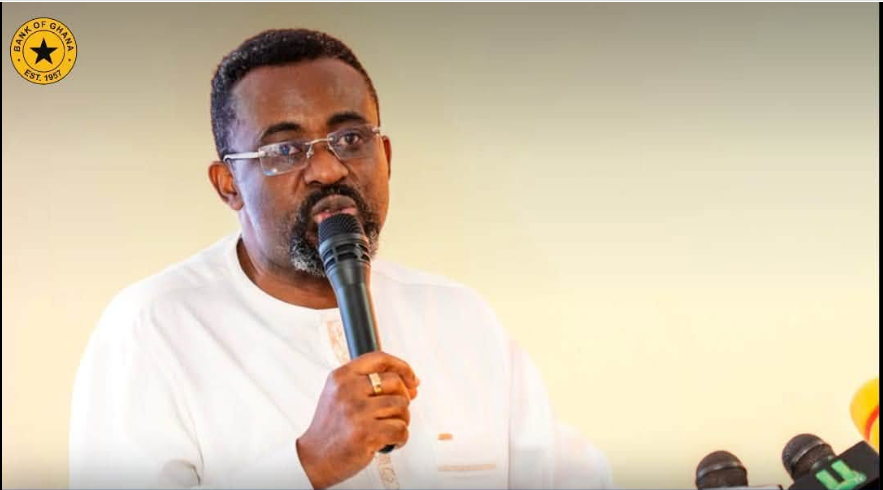
The Bank of Ghana's most recent decision in July 2026 kept the policy rate at 14%, a level maintained amid persistent concerns about external economic threats to price stability. Bank of Ghana Governor Dr. Johnson Asiama noted that whilst the domestic economy remains robust, external risks to inflation warrant caution.
The Committee acknowledged that headline inflation edged higher in June, though it attributed this primarily to temporary factors rather than structural price pressures. More positively, inflation has moved closer to the lower boundary of the central bank's medium-term target range, bolstered by base effects from the prior year.
Importantly, core inflation and inflation expectations remain anchored within the Bank's target band, suggesting that wage and pricing behaviour have not become unmoored. This relative stability in underlying inflation metrics supports the case for maintaining the status quo rather than loosening policy.
Why It Matters for Ghana
Interest rate decisions by the Bank of Ghana directly affect borrowing costs for businesses, households and government. A sustained 14% policy rate means that commercial banks will likely keep lending rates elevated, influencing everything from mortgage approvals to business investment and consumer credit over the coming months.
For Ghanaian businesses and households, a held rate provides clarity and certainty. Companies can plan expansion or hiring decisions without fear of sudden rate shocks, whilst savers benefit from stable, if high, deposit returns. However, sustained high rates also mean that starting a business or purchasing a home remains expensive.
The BoG's cautious stance reflects Ghana's broader economic context: a strong domestic growth trajectory offset by external vulnerabilities, including global inflation, currency pressures and geopolitical risks. By preserving policy ammunition, the central bank signals readiness to respond to any external shock that might destabilise prices.
What Comes Next for Credit Markets
IC Insights notes that the 91-day Treasury bill yield—a key barometer of short-term borrowing costs—has likely bottomed and will require upward repricing to deliver positive real returns. This suggests that yield curves may shift, with implications for fixed-income investors and businesses relying on short-term financing.
A sustained 14% policy rate for the next 2.5 months creates a stable environment for planning, but it also means the cost of credit will remain comparatively high. This dynamic will shape business investment decisions, loan demand and savings patterns across the Ghanaian economy until the next MPC meeting.
Source: MyJoyOnline


Comments (0)
Be the first to comment.