BoG Governor Says 14% Rate Sufficient to Manage Inflation as Currency Stability Pledged

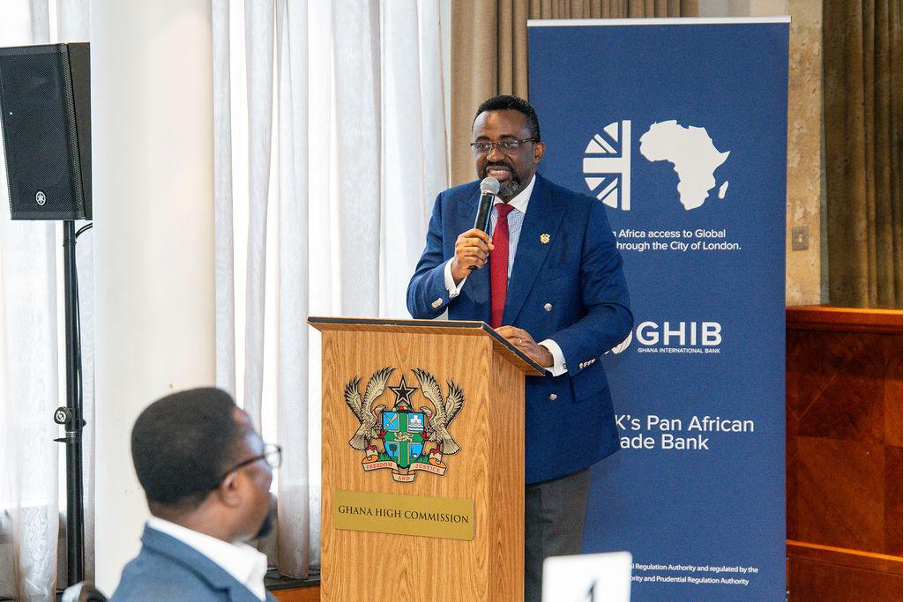
The Governor of the Bank of Ghana has expressed confidence that the central bank's current 14 per cent policy rate provides adequate room to manage inflation and maintain price stability in the economy. The assurance comes as Ghana continues to navigate a complex macroeconomic environment characterised by currency pressures and inflationary concerns that have affected household budgets and business operations across the country.
Beyond the interest rate framework, the BoG Governor has reaffirmed the Bank's commitment to supporting a well-functioning foreign exchange market. This dual focus—on controlling inflation through the policy rate whilst stabilising the cedi—represents the central bank's broader strategy to restore economic confidence after years of volatility.
Inflation Control Through Interest Rates
The 14 per cent policy rate sets the baseline for lending costs throughout Ghana's financial system. When the BoG raises this rate, commercial banks increase their own lending rates, making borrowing more expensive for households and businesses. This cooling effect on spending and investment helps reduce demand-side pressures that fuel inflation. By maintaining the current rate, the Governor suggests the Bank believes inflation is sufficiently constrained without further tightening that could slow economic growth or increase debt servicing costs for government and the private sector.
Ghana has faced persistent inflation challenges in recent years, with prices of essential goods, fuel, and utilities placing significant strain on consumers. The central bank's confidence in the adequacy of the 14 per cent rate signals an assessment that current price pressures are manageable and that additional rate hikes—which would increase borrowing costs further—are not immediately necessary.
Foreign Exchange Market Stability: Why It Matters for Ghana
The BoG's parallel commitment to maintaining an orderly foreign exchange market is crucial for Ghana's economic stability. The cedi has experienced significant depreciation against major currencies in recent years, affecting import costs, inflation, and the country's ability to service external debt. A weak currency makes imported goods—from fuel to medicines to industrial inputs—more expensive in local currency terms, directly feeding into inflation.
An orderly FX market means the Bank works to prevent sharp, sudden movements in the exchange rate that can destabilise businesses and household purchasing power. This includes managing supply and demand for foreign currency, ensuring banks and authorised dealers operate transparently, and preventing speculative trading that can amplify volatility. By stabilising the FX market whilst using the interest rate to manage inflation, the BoG is attempting to address two interconnected challenges simultaneously.
For Ghana's economy, this matters significantly. A stable cedi supports business planning, reduces import inflation, and makes Ghana more attractive for foreign investment. Combined with controlled inflation, these conditions create a more predictable environment for the private sector to operate and expand, ultimately supporting job creation and economic growth.
The Road Ahead
The Governor's statements suggest the BoG believes the current policy stance is well-calibrated. However, the global economic environment remains uncertain, with international interest rates, oil prices, and commodity demand all subject to external shocks. Ghana's ability to maintain both price stability and currency strength will depend on sustained fiscal discipline, improving productivity, and continued confidence in the central bank's policy framework. The pledges made reinforce the importance of institutional credibility in managing expectations and preventing the wage-price spirals or capital flight that can undermine monetary policy effectiveness.
Source: 3News



Comments (0)
Be the first to comment.