Ghana's Foreign Exchange Buffer Erodes to Dangerous Levels as Reserve Crisis Deepens

Ghana's ability to weather external economic shocks has contracted sharply, with gross international reserves falling to approximately US$11.1 billion by the end of August 2026. This represents a critical deterioration in the country's foreign-exchange position, leaving only 4.2 months of import cover—a significant drop from the 5.7 months available at year-end 2025.
The decline is particularly alarming given the speed of the reversal. Just five months earlier, in March 2026, reserves stood at US$14.16 billion. The country lost US$3.06 billion in reserves over this period, with US$1.87 billion evaporating in just two months between June and August alone. This trajectory suggests accelerating pressure on Ghana's external position heading into the final quarter of 2026.
What Triggered the Reserve Collapse?
The shrinking buffer is puzzling given strong macroeconomic indicators earlier in the year. Ghana recorded an impressive US$8.8 billion trade surplus in the first half of 2026, buoyed by robust gold and cocoa exports. The current account surplus reached US$5.1 billion, suggesting the economy was generating substantial foreign-exchange earnings.
However, two critical developments have undermined these gains. First, the Ghana Gold Board suspended gold exports in mid-August, removing what has been the single largest source of Ghana's foreign-exchange inflows. Second, policymakers have likely drawn down reserves to defend the cedi against depreciation pressure and meet external payment obligations, a common response when export momentum slows.
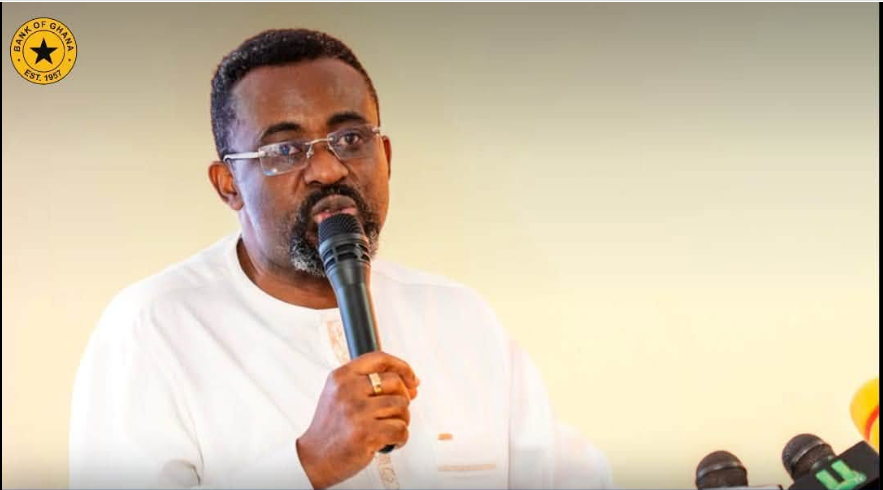
Bank of Ghana Governor Dr Johnson Asiama has identified the pause in gold exports as a key risk requiring close monitoring. The timing is particularly concerning as Ghana typically experiences heightened foreign-exchange demand during the fourth quarter, when importers front-load purchases ahead of the year-end rush. Without gold revenues to offset this seasonal demand, the reserve buffer could face further strain.
Why This Matters for Ghana
A reserve cover of 4.2 months sits near the international comfort threshold of 3 months but below Ghana's historical average. More importantly, the trajectory matters more than the absolute level. A declining reserve position signals that the country may struggle to absorb external shocks—currency depreciations in major trading partners, commodity price collapses, or sudden capital outflows could force painful policy adjustments.
For ordinary Ghanaians, the implications are tangible. A weak reserve position typically forces central banks to raise interest rates to defend the currency, making loans more expensive for businesses and households. It can also trigger import rationing, limiting the availability of goods and pushing prices higher. The cedi's stability—critical for importers and anyone earning income in foreign currencies—depends on adequate reserves.
The Bank of Ghana has signalled that rebuilding reserves will be a priority in coming months, but this creates a policy dilemma. The central bank must balance competing objectives: supporting economic growth (requiring lower interest rates), controlling inflation, stabilising the currency, and accumulating foreign exchange. These goals often conflict, and the decision the Monetary Policy Committee makes will reshape Ghana's economic outlook.
The Road Ahead
Policymakers face a narrow window to stabilise the external position. Resuming gold exports from the Ghana Gold Board is essential, as is managing foreign-exchange demand carefully through the fourth quarter. Any shock—a renewed currency crisis in the region, a drop in commodity prices, or delayed external financing—could force Ghana back into external adjustment, with consequences for jobs, prices, and living standards.
The contrast between the strong first-half performance and the recent deterioration underscores how vulnerable Ghana remains to commodity dependence and export volatility. Until the country diversifies its foreign-exchange sources, reserve swings will likely continue to dominate monetary policy debates.
Source: MyJoyOnline


Comments (0)
Be the first to comment.