Ghana's economy slows in Q2 but experts say outlook remains secure despite cedi pressure
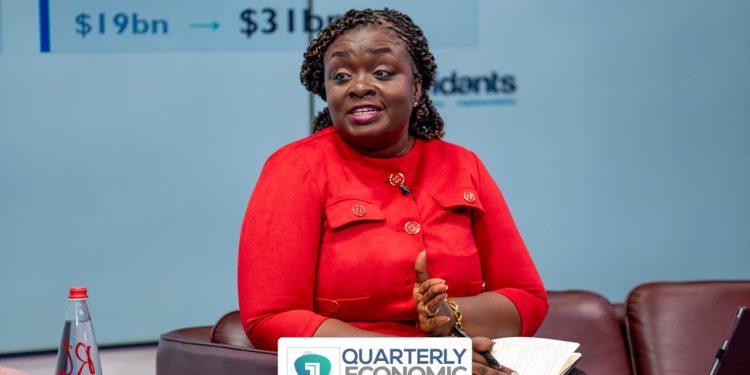
Ghana's economic growth decelerated in the second quarter of 2026 compared to the first quarter, but leading economists remain confident the broader outlook will stabilise, according to remarks from a senior academic at the University of Ghana Business School.
Prof. Agyapomaa Gyeke-Dako, speaking at a Quarterly Economic Outlook forum on Thursday, July 9, acknowledged the softer performance but cautioned against viewing the slowdown as a sign of structural weakness in the economy. Instead, she attributed recent headwinds to temporary factors that are common during this period of the year.
What's driving the cedi pressure
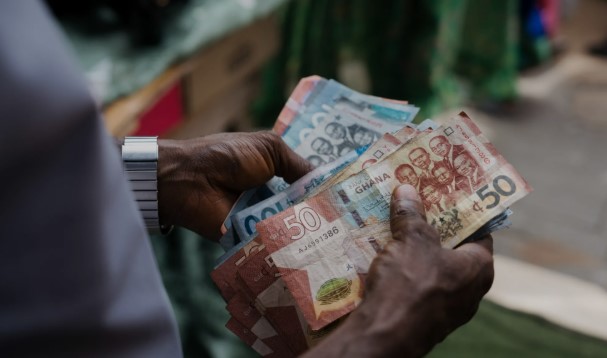
The Ghanaian cedi has faced downward pressure in recent months, reflecting increased demand for foreign exchange across the economy. Prof. Gyeke-Dako identified two main drivers behind these movements.
The first stems from normal corporate activity. Multinational and domestic companies typically complete their financial accounts at the end of the first quarter and subsequently repatriate profits abroad. This seasonal pattern leads to a spike in foreign exchange demand, particularly between April and June, when companies settle their accounts and transfer earnings out of Ghana.
The second factor is geopolitical. Tensions in the Middle East have disrupted global oil supplies, with approximately 20 percent of the world's crude oil passing through the Strait of Hormuz. When supply constraints emerge, crude oil prices rise globally. Since Ghana is a net oil importer, higher international prices mean local importers require more foreign currency to purchase fuel and petroleum products, adding further strain on the cedi.
Why it matters for Ghana
Exchange rate stability is crucial for Ghana's economy. A weakening cedi increases the cost of imported goods and services, raising inflation pressures and eroding household purchasing power. It also complicates business planning and investment decisions, particularly for companies that depend on imported raw materials or equipment.
However, Prof. Gyeke-Dako's analysis offers reassurance on several fronts. Ghana's foreign reserves have strengthened, providing the central bank with a credible buffer to intervene in currency markets when needed. A robust reserve position also signals to international investors and creditors that Ghana can meet its financial obligations, supporting confidence in the economy and potentially keeping borrowing costs lower.
The Bank of Ghana has implemented measures to manage foreign exchange volatility, and the economist expressed confidence these interventions will help contain further depreciation pressures on the cedi as the year progresses.
The broader economic picture
Whilst Q2 performance was weaker than Q1, Prof. Gyeke-Dako stressed this should not be misinterpreted as economic instability. Seasonal fluctuations are normal in any economy, and the factors behind the recent slowdown are largely expected and temporary rather than indicative of deeper problems.
The economist's measured outlook reflects a wider view among Ghana's economic leadership that despite near-term challenges, the fundamentals remain sound. The key concern for policymakers and investors will be whether the exchange rate stabilises in the coming quarters and whether growth momentum can be restored heading into the second half of 2026.
Source: The Ghana Report

Comments (0)
Be the first to comment.