Bank of Ghana Joins National Clean-Up Drive, Urges Public to Handle Cedi Hygienically
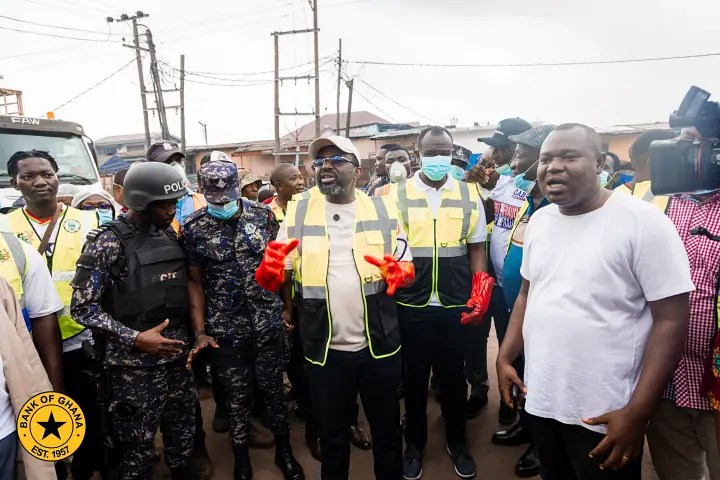
The Bank of Ghana has thrown its institutional weight behind the government's National Clean-Up Exercise, with Governor Dr. Johnson Pandit Asiama and senior officials participating in a sanitation drive at Agbogbloshie Market in Accra. The event represents more than symbolic commitment—it highlights the central bank's growing focus on connecting public health, environmental responsibility, and the practical handling of Ghana's currency.
During the clean-up activity, Dr. Asiama underscored the moral and practical imperatives of sanitation. "Cleanliness is godliness," he told participants, framing environmental hygiene not merely as a policy goal but as a personal and civic duty. The Bank's involvement signals that currency management—a core function of any central bank—cannot be separated from broader public health concerns.
The Cedi and Public Health Connection
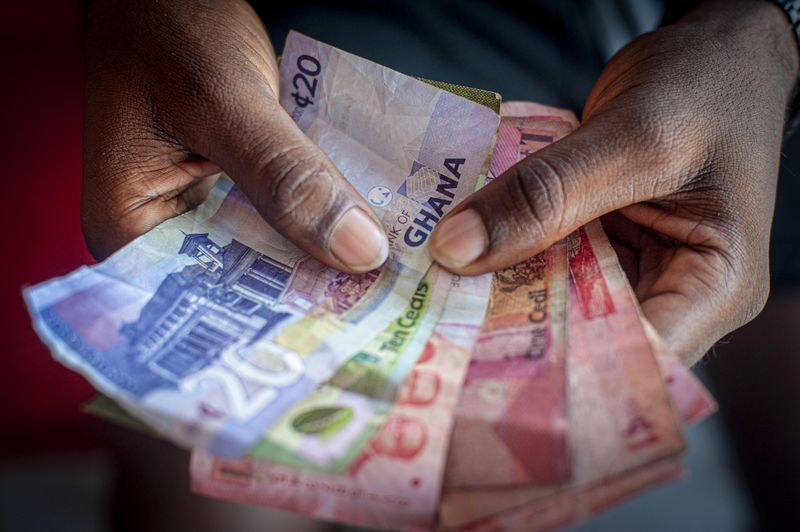
A key message from the Bank of Ghana's participation was the relationship between poor sanitation practices and the quality of physical currency in circulation. Research has documented that banknotes can harbour bacteria if handled improperly or stored in unsanitary conditions. This is particularly relevant in Ghana's largely cash-based economy, where the physical Cedi remains central to daily transactions for millions of Ghanaians.
The BoG's emphasis on clean banknotes reflects international best practice. Central banks worldwide have recognised that currency cleanliness affects not only public health but also the lifespan and integrity of notes in circulation. In markets like Agbogbloshie—where high-volume trading and crowded conditions increase handling of cash—maintaining awareness of hygiene standards becomes especially important.
Dr. Zakari Mumuni, First Deputy Governor, joined the Governor in the exercise, demonstrating institutional commitment from the apex of the central bank's leadership.
Why It Matters for Ghana
Ghana's push for national cleanliness has become increasingly prominent in recent years, with government-led exercises aimed at improving sanitation across urban and rural areas. The Bank of Ghana's participation elevates this beyond a civic campaign into a matter touching the nation's financial infrastructure and public health simultaneously.
For ordinary Ghanaians, the message is practical: the way currency is handled affects both individual health and community wellbeing. Given that cash remains dominant in markets, street trading, transport, and informal commerce, the BoG's focus on educating the public about responsible Cedi handling is timely.
Additionally, the Bank's commitment to supporting future clean-up initiatives suggests this will not be a one-off appearance. Sustained engagement by monetary authorities could help embed sanitation consciousness into economic life itself—making clean notes and clean environments two sides of the same coin.
Looking Forward
The Bank of Ghana's involvement in the Agbogbloshie clean-up is part of a broader institutional pivot towards sustainability and community engagement. By linking environmental action to currency stewardship, the BoG has framed sanitation as everyone's responsibility—from the central bank down to individual cash handlers.
As Ghana continues to develop its digital payment infrastructure through mobile money and e-commerce, physical currency will remain important for years to come. The Bank's proactive messaging on Cedi hygiene, therefore, serves both immediate public health goals and long-term currency integrity.
Source: Ameyaw Debrah

-1200x535.webp)

Comments (0)
Be the first to comment.