Mahama pushes for sustained national clean-up drive, calls on assemblies to manage waste properly
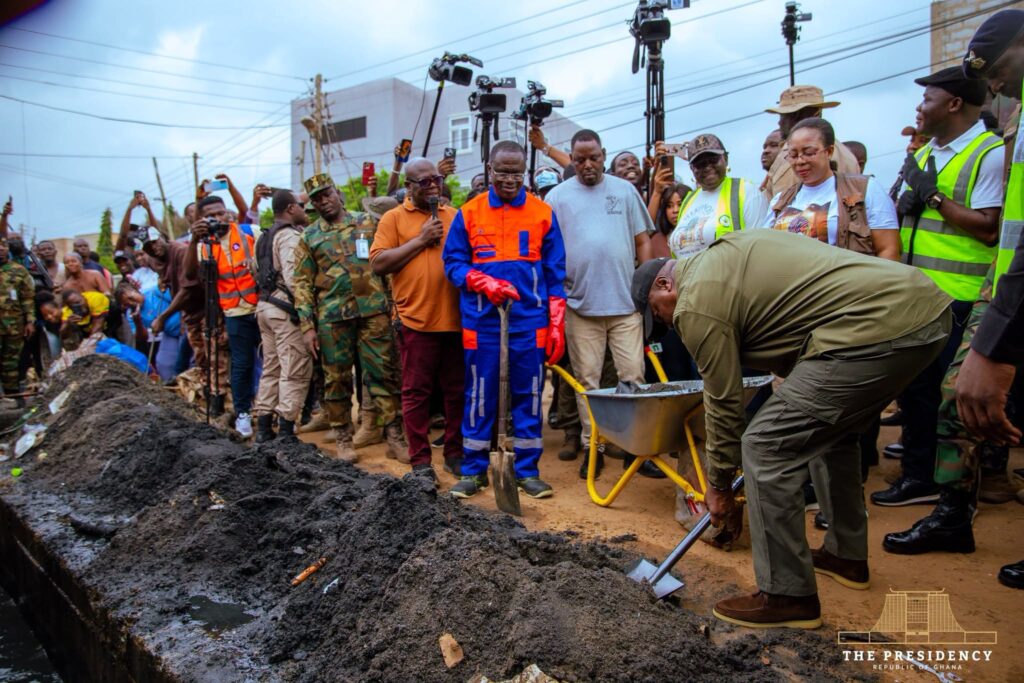
President John Mahama has called on Ghanaians to sustain their participation in the ongoing National General Cleaning Exercise, framing sanitation improvement as a collective national effort that requires consistent citizen engagement and effective local government support.
Speaking after participating in the first day of the exercise on Friday, 10 July, Mahama stressed that clean communities cannot be achieved through one-off initiatives but require sustained commitment from residents across the country. He encouraged Ghanaians to return the following day and maintain the momentum, emphasising that the responsibility for environmental cleanliness extends beyond government to every household and neighbourhood.
Local assemblies must follow through on debris removal
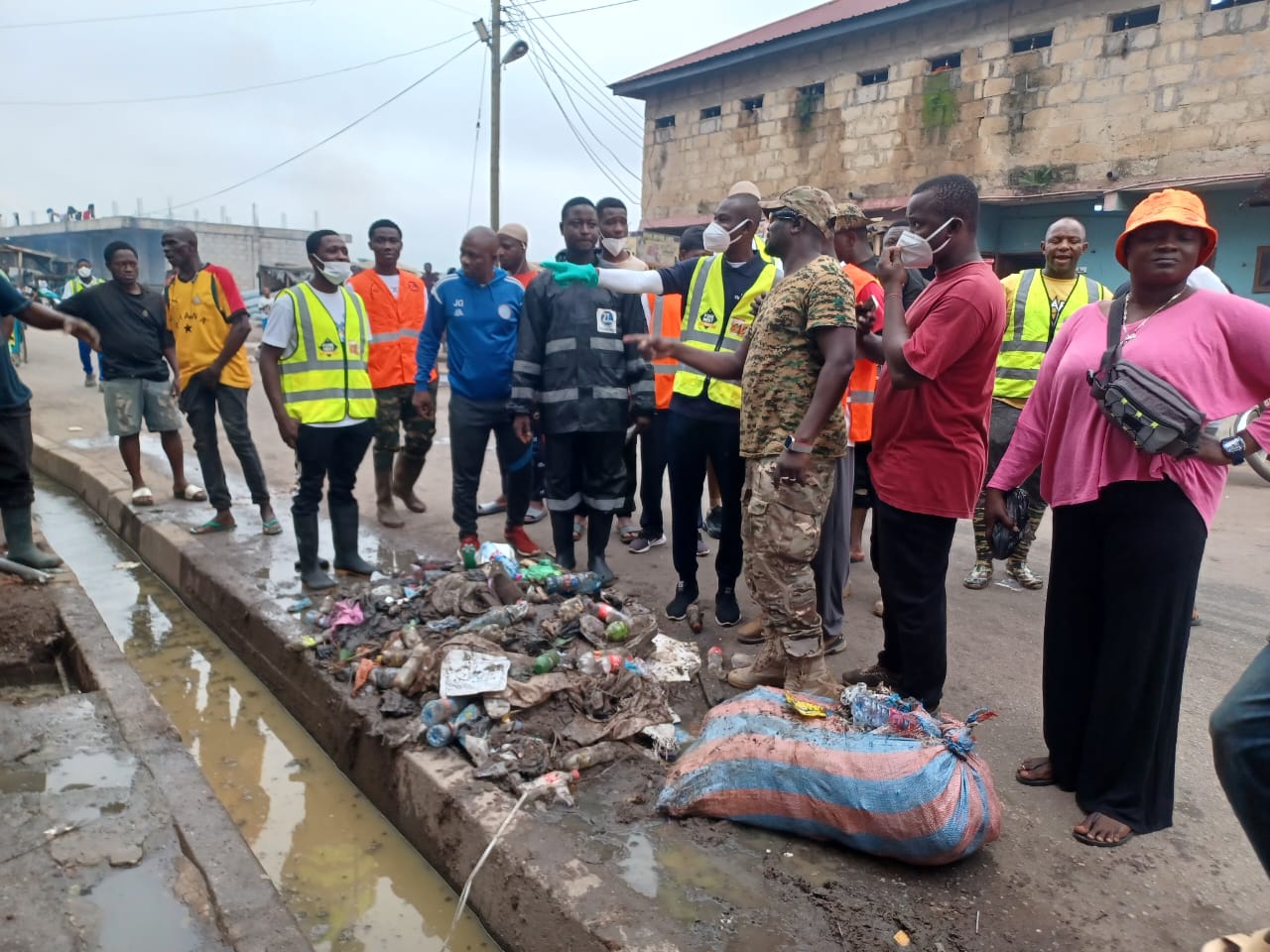
Beyond rallying public participation, Mahama directed attention to what happens after the clean-up—an often-overlooked challenge. He instructed Metropolitan, Municipal and District Assemblies (MMDAs) to take responsibility for properly disposing of waste and debris collected during the exercise. This directive addresses a practical problem many communities face: residents clear drains and sweep rubbish, but accumulated waste is left piling up, creating new sanitation hazards rather than solving existing ones.
The President's emphasis on assembly accountability reflects a systemic issue in Ghana's waste management. Without coordinated collection and disposal by local authorities, community-driven clean-ups can inadvertently worsen conditions if debris is simply moved from one location to another. Mahama's call signals that the success of such exercises depends not just on citizen effort but on government institutions fulfilling their complementary role.
Why it matters for Ghana
Sanitation remains a persistent challenge across Ghana, affecting public health, environmental quality, and the nation's development agenda. Poor waste management contributes to flooding, disease transmission, and degradation of water sources—issues that impact millions of Ghanaians, particularly in densely populated urban areas.
The National General Cleaning Exercise represents a practical, participatory approach to tackling these challenges, but its long-term effectiveness hinges on two things: consistent public involvement and reliable institutional support. If assemblies fail to clear collected waste, public confidence in such initiatives diminishes, and future participation may decline. Conversely, when communities see that their efforts lead to visible, lasting improvements, engagement typically strengthens.
For Ghana's sanitation and environmental health goals, this dual approach—combining grassroots action with government responsibility—is essential. The President's messaging reinforces that neither citizens alone nor local authorities alone can solve the problem; progress requires both.
As Ghana continues to grapple with urbanisation and population growth, establishing sustainable clean-up practices and waste management systems will be critical to improving living conditions and public health outcomes across communities nationwide.
Source: MyJoyOnline


Comments (0)
Be the first to comment.