Mahama launches national clean-up drive as Ghana tackles chronic flooding and waste crisis
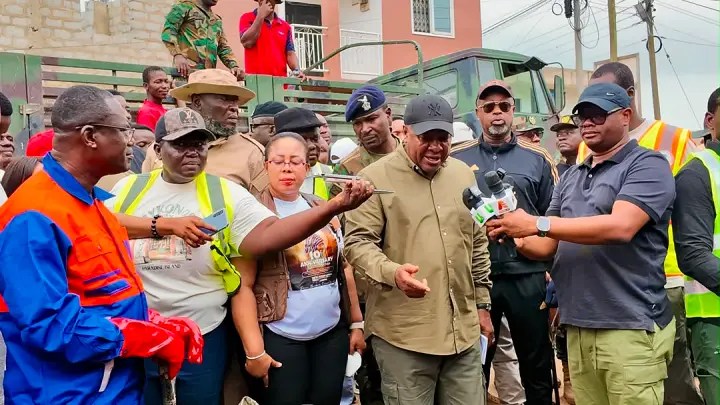
President John Dramani Mahama has issued a stark warning to Ghanaians about the dangers of indiscriminate waste disposal, declaring that drainage systems are not "garbage instruments" during a national clean-up operation that highlights the country's persistent sanitation challenges. Speaking on Friday, July 10, 2026, as he inspected the Alajo Drains—part of the Odaw stream network—the President emphasised that recent devastating floods should serve as a catalyst for behavioural change across the nation.
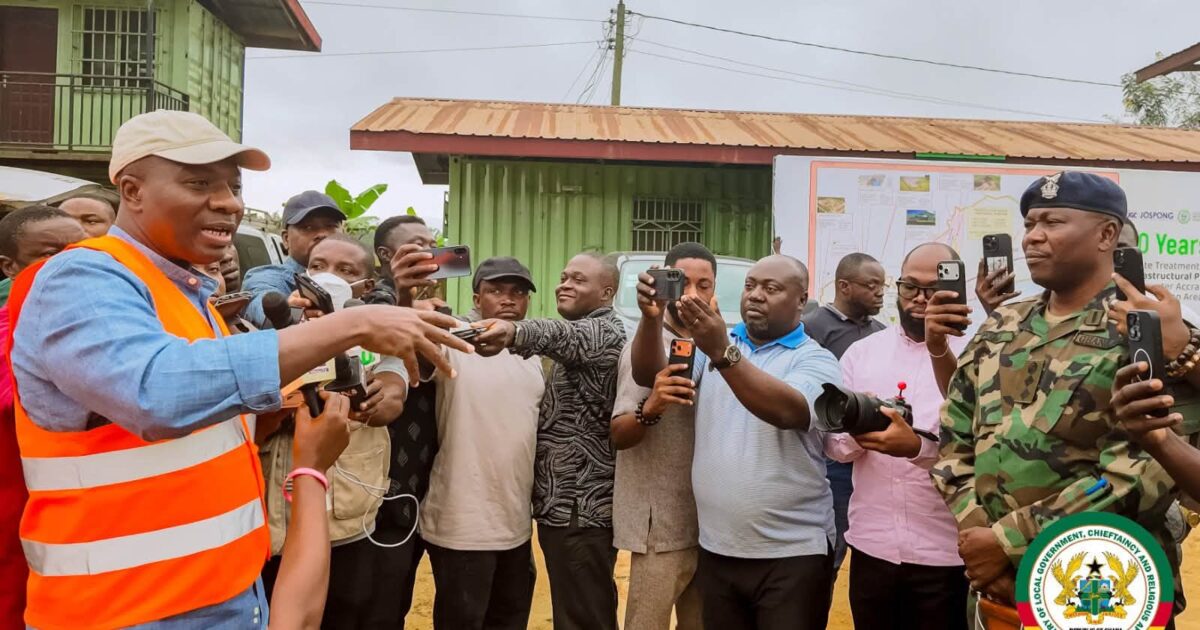
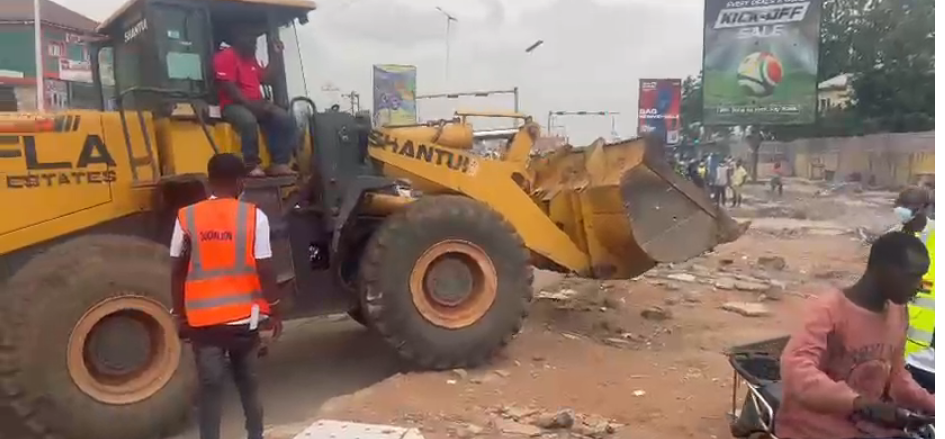
The two-day National Clean-Up Exercise, which continues through Saturday, represents a coordinated effort between government and private sector players to address Ghana's mounting waste management crisis. Zoomlion Ghana Limited, the sanitation flagship of the Jospong Group, deployed substantial logistics for the operation, whilst Greater Accra Regional Minister Linda Ocloo and Dr. Joseph Siaw Agyepong, Executive Chairman of Jospong Group, accompanied the President in a show of unified commitment to environmental remediation.
Waste crisis threatens public health and infrastructure
The scale of Ghana's drainage problem became evident during the inspection of Alajo Drains, where workers discovered an alarming array of items clogging the waterway. Silt accumulation mixed with plastics, household waste, discarded engine blocks, old furniture, and even dining tables reveal how casually many Ghanaians treat drainage systems. These blockages directly contribute to flooding during rainy seasons, putting lives and property at risk whilst creating public health hazards.
President Mahama attributed the problem partly to rapid urbanisation and the anonymity of city living, which has eroded traditional community values around environmental stewardship. "We must change our attitudes and stop the reckless dumping of things into the drain," he stated, reminding citizens that skip trucks positioned across Accra provide proper disposal alternatives.
To sustain long-term improvements, the government has allocated $150 million through the Ministry of Finance specifically for dredging streams and related infrastructure work. The military will continue drainage-clearing operations beyond the initial two-day campaign, whilst authorities plan to procure specialised equipment capable of extracting and transporting accumulated silt from drain systems.
Why this matters for Ghana
Ghana's sanitation crisis intersects with multiple development challenges. Inadequate waste management directly undermines public health, with poor drainage contributing to disease transmission and compromising water quality. The June 29 floods that preceded this clean-up exercise killed several people and displaced thousands, exposing the vulnerability of urban infrastructure to climate-related disasters. Addressing drainage blockages is therefore not merely an environmental concern but a matter of life and death for Ghanaian communities.
The two-day clean-up initiative signals government recognition of the problem, yet sustainability requires systemic change. President Mahama announced plans to institutionalise a monthly national clean-up day, attempting to revive communal environmental consciousness. However, experts acknowledge that enforcement of existing sanitation bye-laws remains weak, particularly regarding commercial waste operators and tricycle collectors who illegally dump refuse rather than transporting waste to designated transfer stations.
Private sector emphasises enforcement and cooperation
Dr. Siaw Agyepong stressed that infrastructure improvements alone cannot solve Ghana's sanitation challenges without corresponding changes in enforcement and citizen behaviour. He called for stricter compliance with sanitation regulations, stronger monitoring at collection points, and ensure waste operators transport materials to authorised facilities rather than abandoning refuse in drains and waterways.
The Jospong chairman's remarks underscore a critical gap: Ghana possesses waste management infrastructure and knows the solutions required, yet implementation remains inconsistent. Success depends on coordinated action across government agencies, private waste operators, and millions of individual citizens making better disposal choices daily.
As Ghana confronts intensifying climate impacts and urbanisation pressures, the national clean-up exercise represents both a practical intervention and a symbolic call for collective responsibility. Whether this momentum translates into sustained behavioural and systemic change will largely determine whether future rainy seasons bring flooding catastrophes or manageable water management.
Source: Ameyaw Debrah


Comments (0)
Be the first to comment.