Cleanup exercises alone won't fix Ghana's flooding crisis, Efia Odo tells Mahama

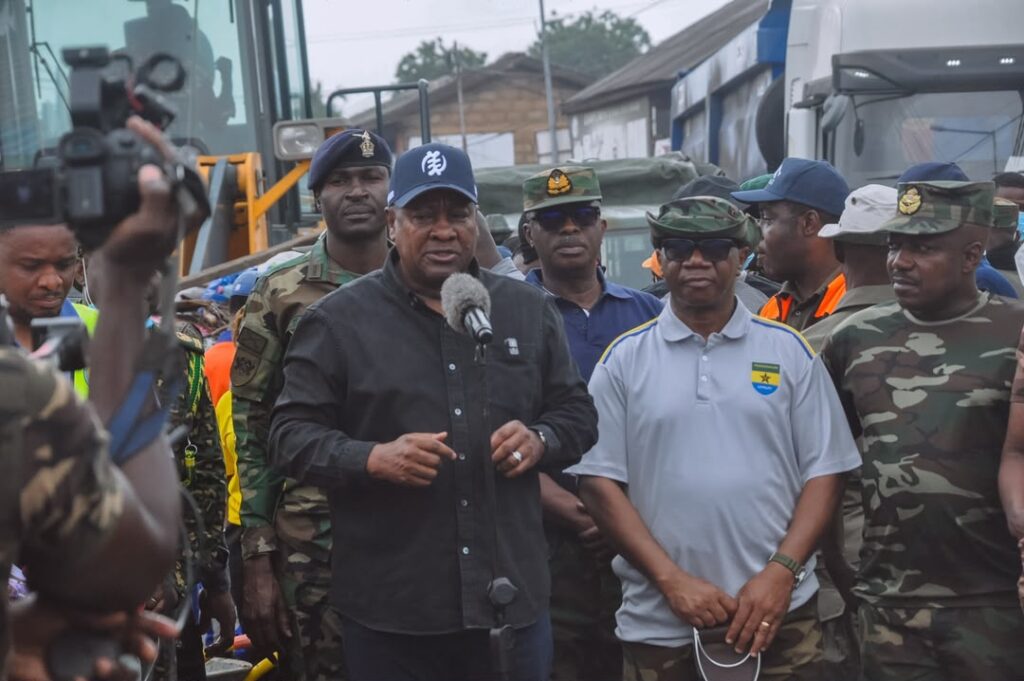
Following devastating floods that swept across seven regions on June 29, President John Mahama led hundreds of Ghanaians—including Vice President Prof. Naana Jane Opoku-Agyemang, government officials, and corporate organisations—in a nationwide cleanup exercise on July 10 and 11, 2026. Whilst the two-day National General Cleaning Days initiative drew widespread participation in clearing gutters, removing waste, and desilting drains, entertainer Efia Odo has raised a critical question: can one-off cleanup campaigns genuinely solve Ghana's persistent sanitation and flooding problems?
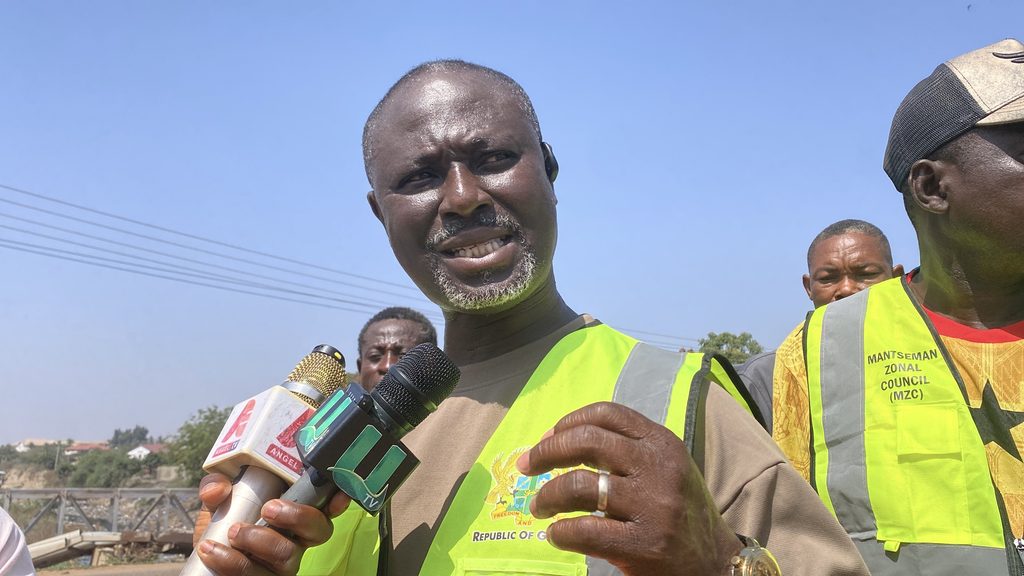
During the exercise, participants swept streets, cleared refuse dumps, and removed debris from flood-affected communities whilst security agencies monitored compliance to ensure broad public engagement. The government positioned the initiative as an immediate response to the June flooding, which exposed the vulnerability of Ghana's drainage and waste management systems to heavy rainfall.
Efia Odo's Call for Systemic Change
Through a post on social media platform X, Efia Odo acknowledged the positive intent behind the cleanup drive but argued it addresses only symptoms, not root causes. She emphasised that without proper waste management infrastructure, periodic cleaning exercises cannot deliver lasting results. Her concern centres on the practical reality facing ordinary Ghanaians: when public bins are scarce and waste collection is unreliable, residents struggle to dispose of refuse responsibly, leading to clogged drains and flooding during heavy rains.
The entertainer's intervention highlighted a gap between emergency response and long-term planning. She called for sustained investment in street bins, regular municipal waste collection systems, and infrastructure that makes proper waste disposal convenient for citizens. Without these foundational elements, she argued, the cycle of cleanup campaigns followed by renewed flooding will persist.
Why It Matters for Ghana
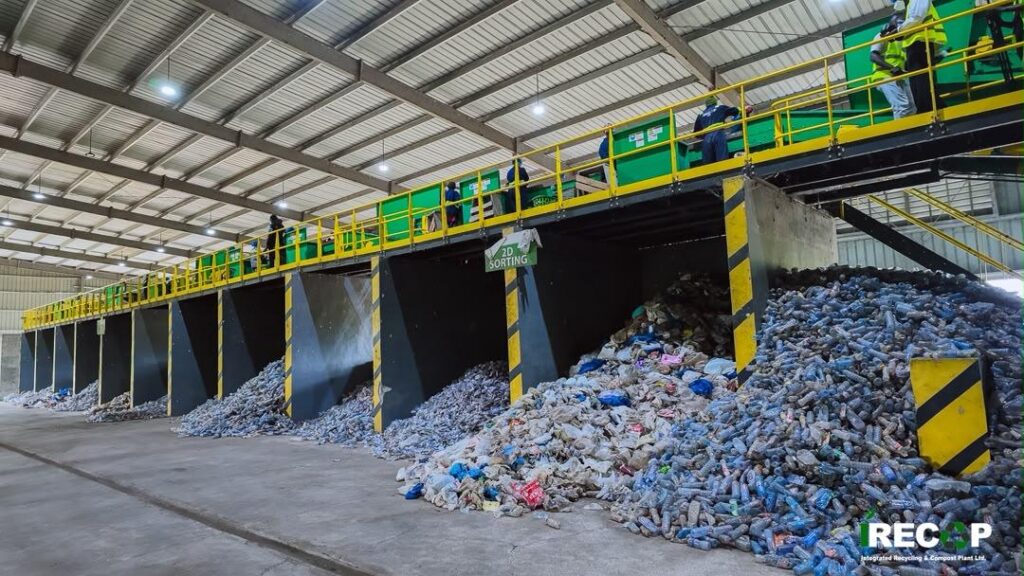
Ghana's sanitation challenge extends beyond aesthetics or environmental concern—it directly impacts public health, economic productivity, and disaster resilience. Choked drainage systems in urban areas like Accra, Kumasi, and other major cities create ideal conditions for disease vectors and waterborne illness outbreaks. The June 2026 floods demonstrated how inadequate waste infrastructure amplifies the severity of natural disasters, turning heavy rainfall into humanitarian emergencies.
Efia Odo's critique reflects a broader conversation among Ghanaians about the difference between visible government action and substantive policy change. Cleanup campaigns generate positive optics and temporary improvements, but they require massive citizen participation to be effective and offer no guarantee of sustained results if underlying systems remain broken. Investment in permanent waste collection, treatment facilities, and drainage maintenance costs significantly more than organising a cleanup day, yet provides measurable, long-term protection against flooding and disease.
The entertainment sector's engagement with governance issues—as demonstrated by Efia Odo's public intervention—also signals growing expectation that public figures use their platforms to push for accountability and systemic solutions rather than merely participating in symbolic gestures.
Moving Forward
For the Mahama government, balancing immediate disaster response with infrastructure development presents a real challenge. However, experts across Ghana agree that sustainable sanitation improvement requires parallel action: short-term cleanup efforts provide relief and demonstrate commitment, whilst concurrent investment in waste management systems, drainage infrastructure, and municipal capacity offers genuine, permanent protection. Without both approaches working together, Ghana will likely face repeated cycles of flooding, cleanup campaigns, and broken promises.
Source: Ameyaw Debrah

Comments (0)
Be the first to comment.