Ghana's Economy Slows to 4.7% Growth in April as Mining Offsets Sector Weakness
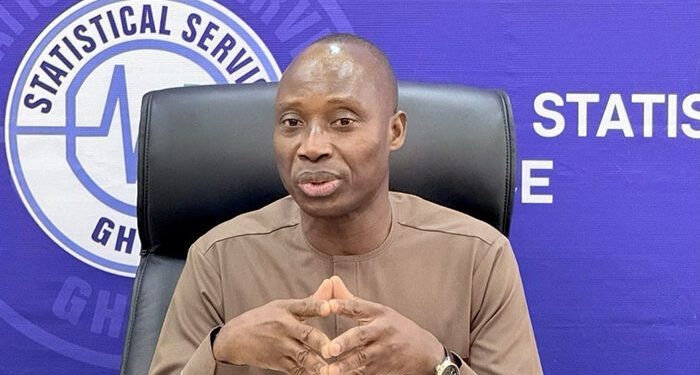
Ghana's economic growth decelerated in April 2026, expanding at 4.7% year-on-year compared to 7.4% in the same month last year, according to the latest Monthly Indicator of Economic Growth (MIEG) released by the Ghana Statistical Service. The slower pace reflects a broad-based moderation in activity, though the economy maintained its upward trajectory with contributions from all three major sectors.
The MIEG index climbed to 113.3 in April 2026 from 108.2 a year earlier, extending an unbroken three-year growth trend. Since April 2023, when the index stood at 96, the economy has expanded steadily, signalling sustained underlying activity despite the recent slowdown in the growth rate.
Services Sector Anchors Growth Amid Moderation
The services sector remained the economy's largest contributor, recording 6.0% year-on-year growth and accounting for 61.7% of total expansion in April. Performance was driven primarily by the Information and Communication subsector, reflecting Ghana's growing digital economy and telecommunications activity. This diversification within services has become crucial as traditional goods-producing sectors face volatility.
Industry recovered ground during the period, growing by 4.0% compared to just 1.1% in April 2025—a significant rebound. This improvement was largely attributable to increased mining output, which contributed 29.9% of the month's overall growth. For Ghana, where mining is a critical foreign exchange earner, this strengthening is particularly significant, though it also highlights the economy's continued reliance on commodity exports.
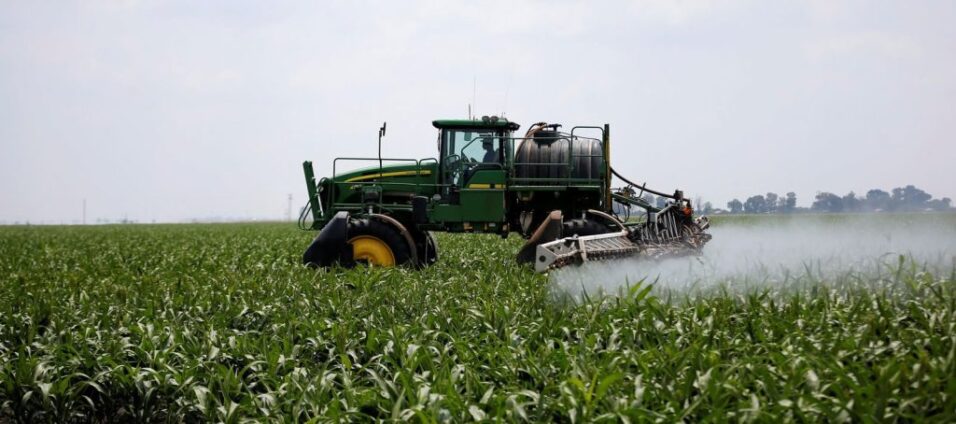
Agriculture staged a notable recovery after contracting 6.9% in April 2025, posting 1.7% growth in April 2026. The crops and livestock subsectors drove this turnaround, accounting for 4.5% of the month's overall economic growth. The rebound in agriculture is important for food security and rural livelihoods, though the sector remains vulnerable to weather shocks and climate variability.
Why This Matters for Ghana
The slowdown in growth—from 7.4% to 4.7% year-on-year—raises questions about Ghana's economic momentum heading into 2026. A sub-5% growth rate, while respectable, falls short of the levels needed to meaningfully reduce poverty or create sufficient jobs for Ghana's growing working-age population. Policymakers will need to monitor whether this represents a temporary pause or a more persistent deceleration.
The moderation appears broad-based, with all three sectors growing more slowly than last year, suggesting it is not sector-specific but rather reflects overall economic softening. This may be linked to persistent inflation, interest rate pressures, or weaker external demand for Ghana's exports. The GSS noted that momentum has softened, a cautious signal for the remainder of 2026.
However, the sustained growth in services and the resurgence in agriculture offer some optimism. If Ghana can diversify further beyond mining and strengthen agricultural productivity through technology and investment, it could support more resilient, sustainable growth. The April data is provisional and will be revised, so future releases may provide a clearer picture of underlying trends.
Source: The Ghana Report

Comments (0)
Be the first to comment.