US-Iran tensions escalate: Trump declares nuclear deal 'over' amid military threats
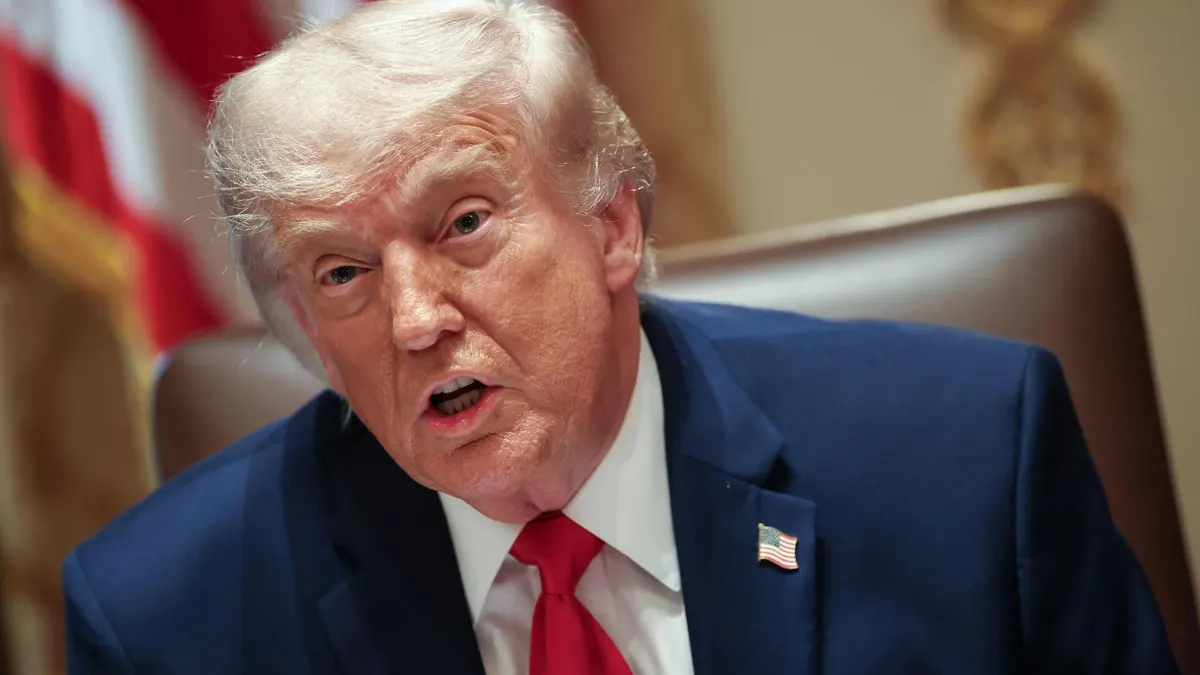
Tensions between the United States and Iran have reached a critical point after President Donald Trump declared the interim nuclear agreement "over" and threatened fresh American military strikes. The announcement came after Iran launched missile attacks targeting US military installations in the Gulf region, marking a significant escalation in hostilities between the two nations.
Trump warned that the US would respond with strikes "tonight", signalling an imminent military response. The Iranian attacks appear to have been retaliation for an earlier US military action, deepening the cycle of tit-for-tat military escalation in the volatile Middle East region.
Background to the nuclear deal collapse
The accord in question refers to the Joint Comprehensive Plan of Action (JCPOA), a multilateral nuclear agreement reached in 2015 between Iran and world powers including the US, UK, France, Germany, Russia and China. The deal was designed to limit Iran's nuclear programme in exchange for sanctions relief.
Trump had previously withdrawn the United States from this agreement, citing concerns about its terms and Iran's regional activities. His fresh declaration that the accord is now "over" represents a further hardening of the US position and suggests he views the diplomatic framework as completely defunct following the military exchanges.
Why it matters for Ghana
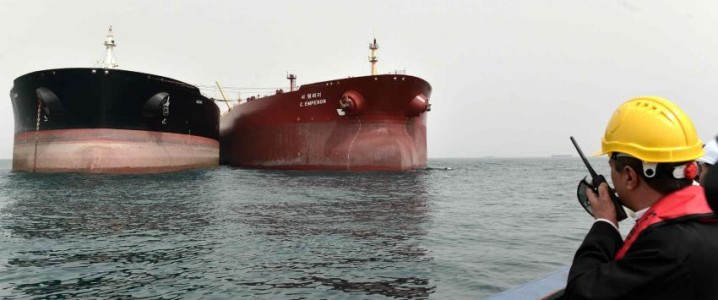
While Ghana is geographically distant from the Gulf, escalating US-Iran conflict has significant implications for West African nations and the wider international community. A major conflict could disrupt global oil markets and energy supplies that impact African economies, potentially affecting fuel prices and inflation in Ghana.
Additionally, regional instability in the Middle East can trigger humanitarian crises and refugee flows that eventually reach African shores. Ghana, as a stable democracy and ECOWAS member, may face pressure to support international diplomatic efforts or humanitarian responses. The collapse of the nuclear deal also signals broader concerns about global security architecture, which affects how African nations navigate their own international relationships and security partnerships.
For Ghanaian investors and businesses with any exposure to international markets or supply chains, uncertainty in the Middle East creates additional economic headwinds that warrant monitoring. The potential for expanded military conflict could also influence global political alignments and the positions taken by key international actors on African issues.
The broader context
The deterioration of US-Iran relations represents a significant challenge to international diplomacy and multilateral agreements. The incident underscores the fragility of international frameworks when major powers withdraw participation and the difficulty of maintaining diplomatic channels during military escalation.
The threat of immediate US strikes suggests the crisis is in an acute phase, with both sides engaged in rapid military exchanges rather than dialogue. This pattern of escalation raises concerns about miscalculation or unintended expansion of the conflict.
Source: 3News
Comments (0)
Be the first to comment.