COCOBOD Falls Short: GH¢3.4bn in Cocoa Farmer Arrears Still Unpaid After Missed June Deadline
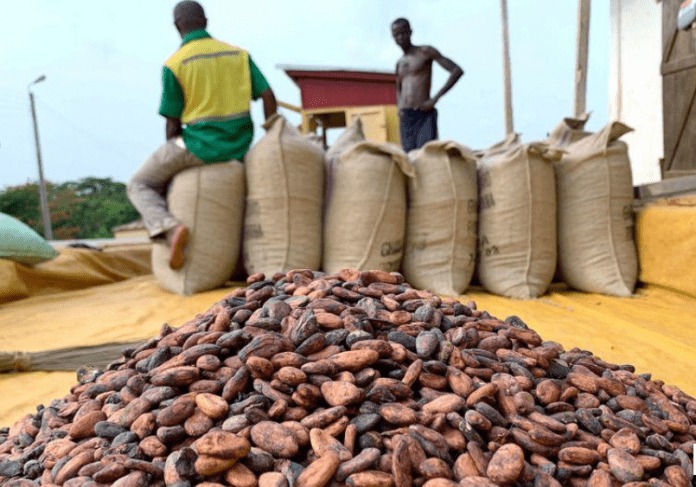
Ghana's cocoa sector faces fresh financial turbulence after the Ghana Cocoa Board (COCOBOD) failed to honour its public commitment to clear more than GH¢6 billion in arrears to farmers and Licensed Buying Companies (LBCs) by the end of June. The Board has now left approximately GH¢3.4 billion—more than half the total debt—still outstanding, a significant shortfall from its own assurances made just weeks earlier.
The missed deadline represents a broken promise that carries real consequences for Ghana's cocoa supply chain. In late June, COCOBOD's Head of Public Affairs, Jerome Sam, explicitly assured the public that the Board would settle nearly all outstanding arrears by month's end. When asked directly if remaining balances would be cleared by 30 June, Mr Sam confirmed: "Yes, that's what I'm saying." However, COCOBOD's own post-deadline financial statement contradicts that commitment.
What the Numbers Reveal
COCOBOD released GH¢2.6 billion in fresh financing for cocoa purchases, but only a portion addressed the arrears crisis. Of this amount, GH¢1.4 billion was allocated to pay farmers owed for cocoa supplied on credit in previous seasons, whilst GH¢1.2 billion was earmarked to reimburse LBCs that had pre-financed farmer purchases. This totals approximately 43 per cent of the acknowledged GH¢6 billion debt, leaving 57 per cent unpaid.
The Board's original projection of an "insignificant amount" remaining has proven substantially incorrect. Instead, cocoa stakeholders now face a lingering debt burden that continues to strain the entire sector.
Why This Matters for Ghana's Cocoa Economy
Cocoa remains Ghana's largest agricultural export and a critical earner of foreign exchange. When COCOBOD fails to pay farmers and LBCs promptly, the ripple effects are immediate and damaging. Licensed Buying Companies, which serve as the first point of contact for farmers, often finance cocoa purchases using borrowed funds whilst awaiting reimbursement from the Board. Delayed payments force these companies to carry higher financing costs, reduce their liquidity for future purchases, and potentially discourage them from advancing credit to farmers—disrupting the entire seasonal purchasing cycle.
For individual cocoa farmers, arrears delays directly impact household incomes and their ability to invest in farm maintenance, pest control, and quality inputs needed for the next harvest. When farmers lack timely payments, productivity and cocoa quality can suffer, ultimately weakening Ghana's competitive position in global markets. The sector is already facing pressures from global commodity price volatility and climate-related challenges; internal payment failures compound these external threats.
COCOBOD's credibility is also at stake. Public assurances followed by missed deadlines erode confidence among buyers, farmers, and financial institutions that depend on the Board's word for planning and investment decisions. The Board must now clarify its revised timeline for clearing the remaining GH¢3.4 billion and outline concrete steps—such as additional financing, revenue strategies, or operational reforms—to prevent similar failures.
What Comes Next
The cocoa industry and government will be watching closely for COCOBOD's next moves. Clearing arrears is not merely a financial housekeeping exercise; it is essential to maintaining the health of the sector and the livelihoods of hundreds of thousands of Ghanaian farmers who depend on reliable, timely payment for their produce. The Board must move swiftly to address the remaining debt and restore stakeholder confidence through transparent communication and demonstrated action.
Source: The Ghana Report
Comments (0)
Be the first to comment.