Ghana's President Calls for Year-Round Sanitation Drive, Not One-Off Cleanups
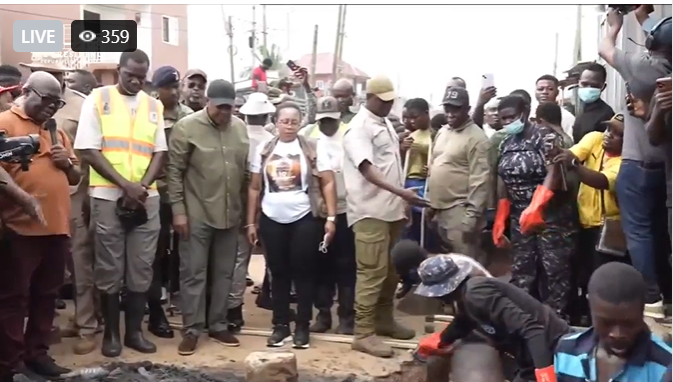
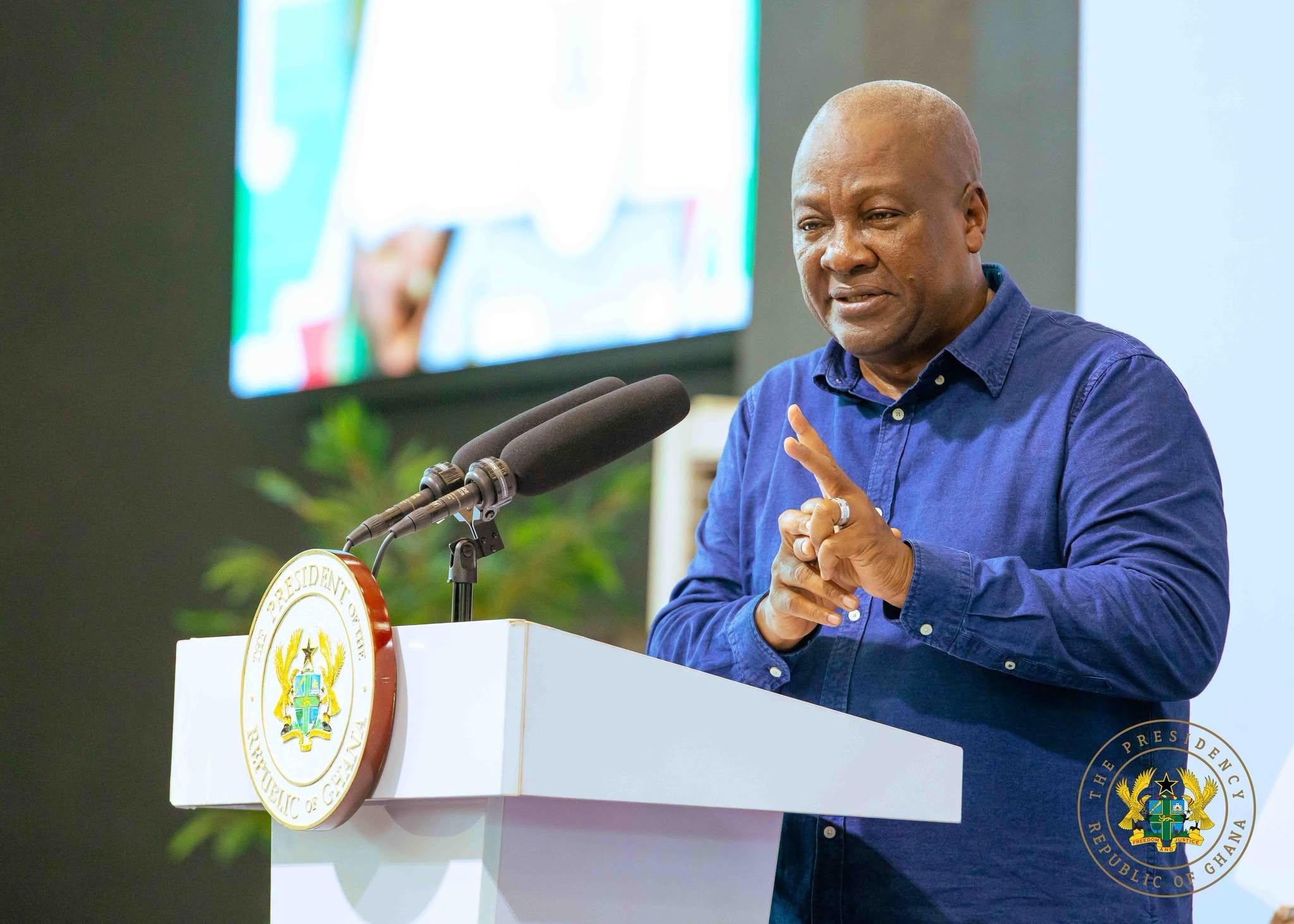
President John Dramani Mahama has called for a fundamental shift in how Ghana approaches environmental sanitation, arguing that national cleanliness campaigns should transition from periodic events to continuous, embedded practices across all communities.
Speaking on the importance of civic responsibility, the President stressed that a clean environment requires sustained effort and collective participation from citizens at every level, rather than relying on sporadic government-organised clean-up initiatives. His remarks come amid ongoing concerns about waste management, littering and sanitation challenges in urban and rural areas across the country.
The Case for Continuous Environmental Action
Mahama's position reflects a growing recognition among policymakers that Ghana's sanitation challenges cannot be solved through occasional drives alone. The country has long battled issues with waste disposal, street littering and environmental degradation, particularly in cities like Accra, Kumasi and Takoradi where population density compounds waste management difficulties.
By framing cleanliness as a continuous exercise, the President is effectively calling for a cultural shift—one where Ghanaians internalise the responsibility to maintain their immediate surroundings daily, rather than waiting for government-organised cleanup days. This approach aligns with successful sanitation models in other nations where environmental stewardship becomes part of civic identity.
The government's commitment, according to Mahama, extends beyond rhetoric. Such a transformation would require investment in waste collection infrastructure, public education campaigns and community-level engagement programmes that reinforce the message consistently across regions and demographics.
Why This Matters for Ghana
Ghana's environmental sanitation challenges have tangible health and economic consequences. Poor waste management contributes to disease spread, particularly in densely populated areas, and undermines public health initiatives. Additionally, a cleaner environment attracts investment, supports tourism and improves quality of life—factors increasingly important as Ghana seeks to compete regionally and globally.
The philosophy of continuous cleanliness also speaks to governance expectations. For citizens, it signals that environmental care is a shared responsibility, not solely a government burden. For authorities, it demands sustained funding, infrastructure development and policy consistency—elements that have historically been lacking in some sanitation programmes.
Communities that have adopted daily cleanliness practices, often driven by local leadership or civil society organisations, have seen measurable improvements in public health outcomes and neighbourhood pride. Scaling such initiatives nationwide could yield significant benefits.
Moving Forward
Translating Mahama's call into action requires multi-stakeholder coordination. Schools must integrate environmental education into curricula; local assemblies need resources to support community sanitation networks; and private sector participation in waste management infrastructure remains essential.
The success of continuous sanitation depends equally on citizens' willingness to change habits—disposing of waste properly, reporting illegal dumping and holding each other accountable. Government messaging will need to reinforce this personal agency consistently.
Ghana's path to sustainable environmental cleanliness is neither quick nor simple, but shifting the narrative from event-based to continuous responsibility represents a meaningful step toward building a culture where sanitation is everyone's daily concern.
Source: 3News


Comments (0)
Be the first to comment.