Ghanaian Communities Call on Mahama and Tinubu to Resolve River Park Estate Crisis
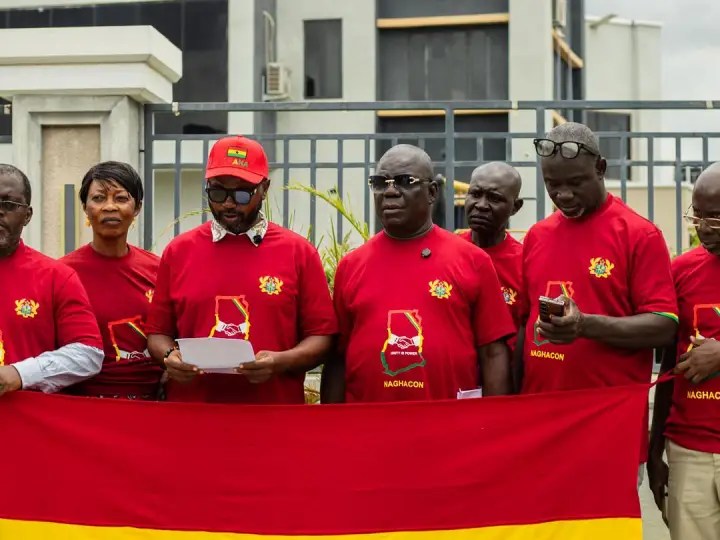
The National Association of Ghanaian Communities in Nigeria (NAGHACON) has escalated calls for presidential intervention in a protracted property dispute involving Ghanaian investment firm JonahCapital at River Park Estate in Abuja, warning that the standoff risks damaging bilateral relations between Ghana and Nigeria if left unchecked.
The appeal follows an operation at the estate in which armed police officers allegedly conducted unauthorised work at The Gallery Clubhouse, a recreational facility owned by JonahCapital. Eyewitnesses reported that the officers prevented company staff from intervening and declined to explain the legal basis for their presence, raising concerns about due process and respect for property rights.
NAGHACON, which represents Ghanaian communities across Nigeria, travelled to the estate to assess conditions firsthand and express solidarity with JonahCapital. During their visit, the delegation documented damage to company property and observed barriers erected around assets belonging to the firm, whilst other businesses within the estate continued normal operations—a disparity that has fuelled accusations of selective treatment.
The Dispute: A Timeline of Contention
The River Park Estate case has emerged as one of Abuja's most contentious property cases, with competing ownership claims triggering multiple court proceedings and investigations since at least 2022. JonahCapital's involvement centres on claims tied to a Development Lease Agreement, the legitimacy and status of which remains contested.
Key developments include a Federal Capital Territory Administration committee decision that initially recognised JonahCapital as the party to the agreement, followed by a later declaration by the FCT Minister that the agreement had expired. The company was also investigated by Nigeria Police Force over forgery allegations, though the Attorney-General of the Federation subsequently cleared JonahCapital's directors of wrongdoing. The dispute now sits before the courts, with the validity of the lease agreement being actively litigated.
The recent police operation, reportedly involving officers attached to Nigeria Police Force's Counter Terrorism Unit, has intensified tensions. Video evidence circulating from the scene shows confrontations between police personnel and JonahCapital employees, with the firm condemning the operation as an unlawful invasion of its property and demanding an investigation into the conduct of the officers involved.
Why This Matters for Ghana-Nigeria Relations
NAGHACON's intervention signals broader concerns about the treatment of Ghanaian business interests in Nigeria and the perception that Ghanaian nationals may be vulnerable to pressure outside the judicial system. The association drew explicit parallels with xenophobic incidents in other African countries, cautioning that allowing a commercial dispute to escalate into diplomatic tension could have consequences for ordinary Ghanaians living and working in Nigeria.
For Ghana, the case touches on longstanding cooperation between the two West African nations and the protection of citizens' commercial investments abroad. The appeal to President John Dramani Mahama, who took office in January 2025, underscores expectations that Ghana's government will advocate for fair treatment of its nationals operating in Nigeria. Equally, the appeal to Nigerian President Bola Ahmed Tinubu reflects hopes that Nigeria will uphold the rule of law and prevent extrajudicial actions from circumventing ongoing judicial processes.
NAGHACON has called on both presidents to ensure that the rule of law is respected, that the safety and security of Ghanaians connected to the company are guaranteed, and that the courts are allowed to determine the dispute without interference from administrative or security authorities. The association argues that timely intervention by both governments is essential to preserve the longstanding relationship between Ghana and Nigeria whilst allowing the legal process to proceed without impediment.
The case serves as a test of how West African governments manage commercial disputes involving cross-border investments and the extent to which judicial independence can be upheld when security agencies become involved in property matters.
Source: Ameyaw Debrah

Comments (0)
Be the first to comment.