Accra launches heavy machinery push to clear flood debris as nationwide sanitation drive intensifies

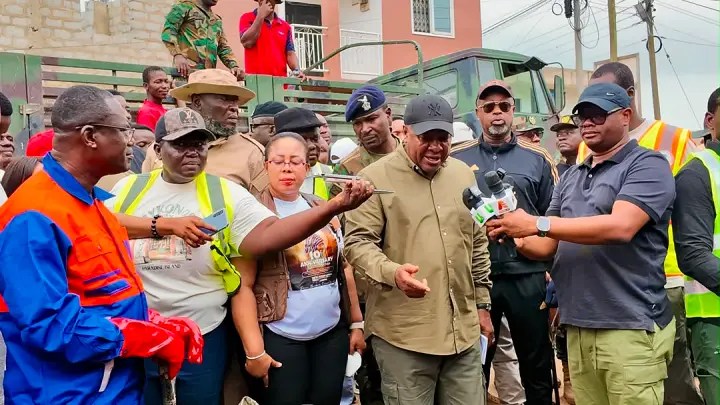
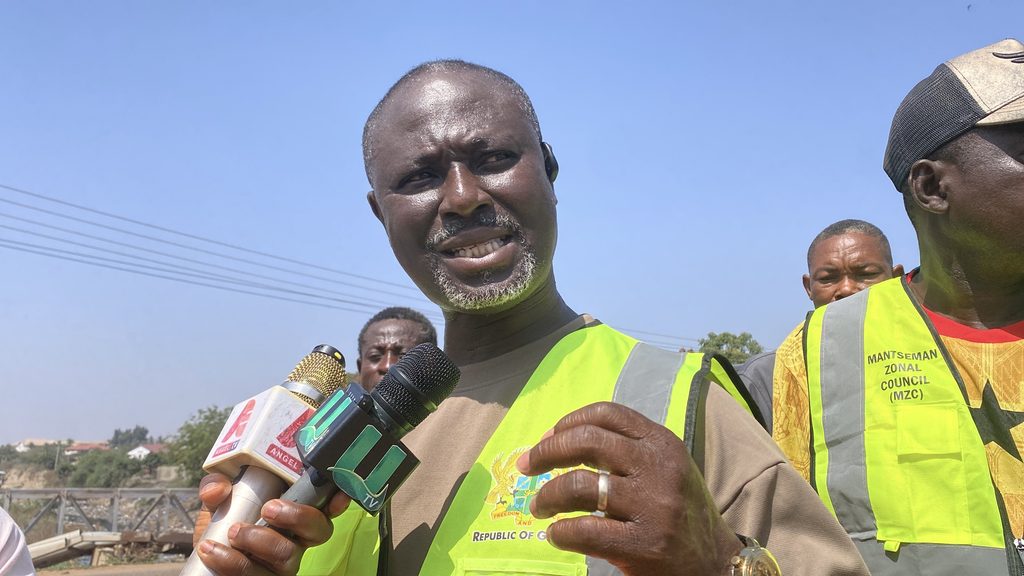
Authorities in Accra have mobilised excavators and heavy-duty equipment to clear accumulated debris from a nationwide sanitation exercise, signalling a stepped-up effort to prevent flooding in communities across seven flood-prone regions. The deployment at Ashaley Botwe–School Junction represents a shift toward mechanised waste removal to complement volunteer-led clean-up operations that began Friday morning.
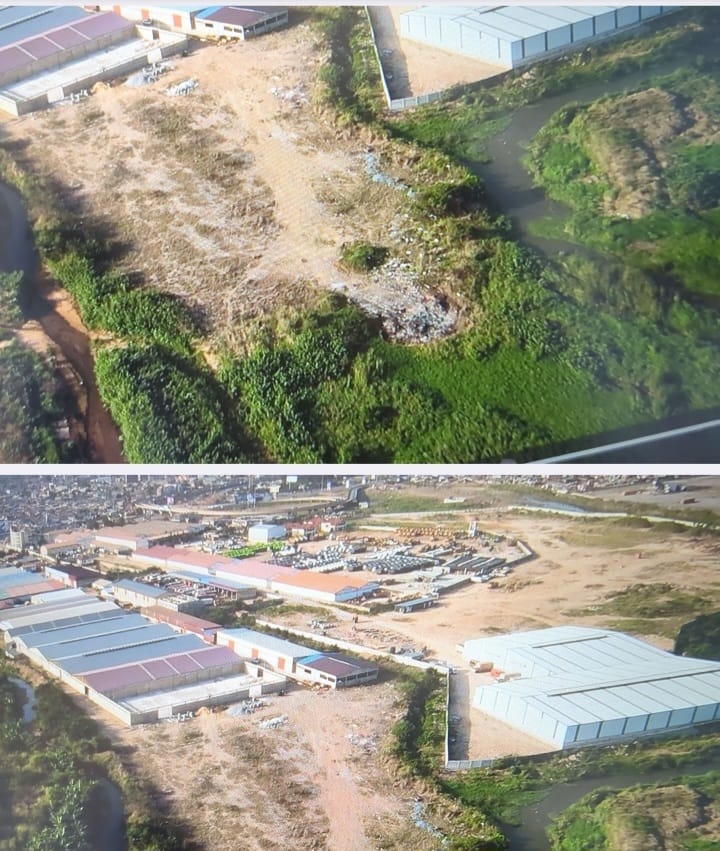
The two-day national initiative, coordinated by the Greater Accra Regional Coordinating Council and local authorities, targets a critical vulnerability in Ghana's urban infrastructure: blocked drainage systems. By removing silt, refuse and other obstructions from drains and public spaces, officials hope to restore stormwater flow and reduce the likelihood of the flash flooding that regularly affects low-lying communities during the rainy season.
Scale and scope of the operation
The clean-up exercise covers seven flood-affected regions nationwide, with the Accra component beginning at 6:00 a.m. on Friday, July 10. Volunteers and sanitation workers have been mobilised to clear refuse and desilt choked drainage systems, but the volume of waste gathered has necessitated the use of excavators to haul debris away from roadsides and drainage channels where it could be rewashed into gutters during heavy rainfall.
The deployment of mechanised equipment is intended to accelerate the removal process and ensure proper waste disposal—a critical step that prevents the cycle of debris being scattered back into drains or left as eyesores in public spaces. Officials say the operation reflects a broader commitment to maintaining drainage infrastructure free of obstructions.
Why it matters for Ghana
Ghana's urban centres, particularly Accra, have struggled with seasonal flooding for years. Heavy rainfall in May, June and September often overwhelms drainage systems clogged with silt, refuse and informal waste, resulting in waterlogged streets, damage to property and disruption to commerce. Communities in low-lying areas bear the brunt of these incidents, with residents often losing goods and facing health hazards from stagnant water.
The nationwide clean-up exercise addresses a preventable element of the flooding problem: poor drainage maintenance. By mobilising both volunteers and mechanical equipment, the government is attempting to demonstrate that coordinated action—combining community participation with technical resources—can mitigate flood risk. However, the success of such drives depends on sustained effort beyond the two-day operation.
For residents in flood-affected zones, the exercise offers temporary relief and a visible sign of governmental attention. Yet observers note that one-off clean-ups have limited impact without accompanying investments in drain rehabilitation, urban planning reforms and enforcement of waste management regulations. The deployment of excavators suggests some recognition of this complexity, though questions remain about whether these efforts will translate into lasting infrastructure improvements.
The initiative also underscores the relationship between sanitation and public health. Choked drains create breeding grounds for mosquitoes and other disease vectors, compounding the risks faced by vulnerable communities. Improved drainage supports both flood prevention and disease control.
Next steps and expectations
The exercise is scheduled to conclude after two days, with debris removal expected to be completed by mechanised equipment. Authorities have indicated that keeping drainage systems free of obstruction remains a priority, though maintenance schedules and accountability mechanisms beyond this exercise have not been widely publicised.
Ghanaians in flood-prone areas will be watching to see whether this coordinated action translates into measurable improvements before the next rainy season begins in earnest.
Source: MyJoyOnline

Comments (0)
Be the first to comment.