Accra's Waste Crisis Deepens: Chamber President Calls for Government Action on Land Allocation
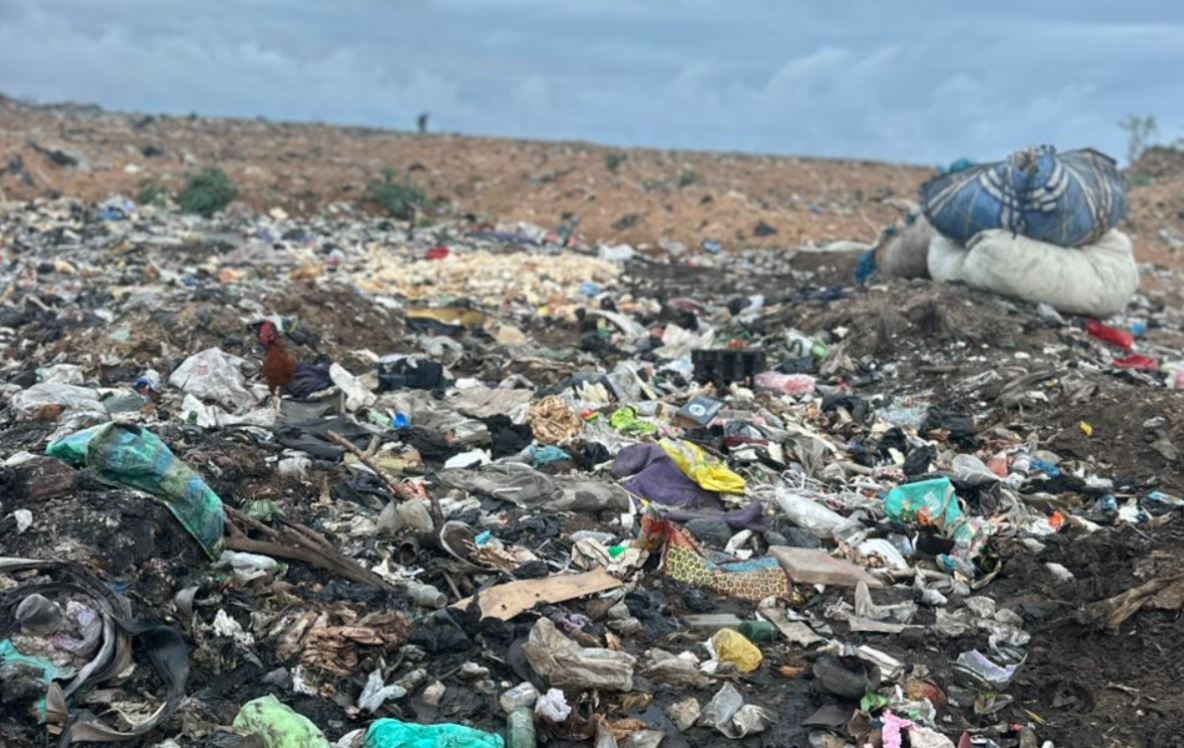
Accra's mounting waste management crisis has reached a critical point, with the President of the Chamber of Local Governance, Richard Fiadomor, sounding the alarm over a severe shortage of land for disposal facilities. Speaking on JoyNews' The Pulse, Fiadomor emphasised that without immediate central government intervention to secure dedicated waste management sites, the capital faces worsening sanitation challenges that will undermine public health and environmental quality.
The core issue stems from decades of unplanned urban expansion across Accra's Metropolitan, Municipal and District Assemblies (MMDAs). As communities sprawl outward, landowners and developers have sold plots with little regard for essential public infrastructure, leaving authorities scrambling to find suitable locations for landfills, transfer stations and waste treatment facilities. This land scarcity has created a domino effect of problems throughout the waste collection chain.
The Impact on Waste Collection Workers
Small-scale waste operators, particularly those using tricycle-based collection systems known locally as "Aboboyaa," have been hit hardest by the shortage of nearby disposal sites. These informal sector workers, who serve densely populated neighbourhoods where formal waste companies rarely operate, lack the resources or capacity to transport waste over long distances to distant landfills. As a result, many have resorted to illegal dumping or ad-hoc disposal practices that worsen sanitation in residential areas.
Fiadomor acknowledged that while some Aboboyaa operators have "misbehaved" in response to infrastructure constraints, the root cause is systemic: the absence of accessible, designated disposal points within reasonable distances of waste collection zones. Addressing this requires coordinated planning and land allocation at the national level.
Why It Matters for Ghana
This challenge extends far beyond Accra's streets. Proper waste management is foundational to public health, disease prevention and environmental protection. The current situation reflects broader governance weaknesses in how Ghana plans and allocates urban land. As other cities—Kumasi, Tema, Sekondi-Takoradi—face similar pressures, the lessons from Accra's failure become urgent.
Fiadomor's call highlights a critical gap in Ghana's development framework: the need for integrated land-use planning that reserves space for public services before private development occurs. Currently, MMDAs are mandated development authorities, yet they often lack the authority or resources to enforce such reservations when traditional leaders and private landowners prioritise immediate revenue over long-term infrastructure needs.
The Path Forward: Collaboration and Planning
Fiadomor proposes a three-pronged solution: central government must intervene to identify and allocate land for waste facilities; traditional authorities and landowners must involve MMDAs before selling plots; and local assemblies must develop coordinated, forward-looking land-use plans that anticipate infrastructure demands.
He stressed that traditional leaders retain ownership rights over their lands, but exercising those rights responsibly means consulting with development authorities. This collaboration would allow assemblies to designate areas for future waste management, drainage systems, and other critical services whilst communities are still being planned, rather than retrofitting solutions into densely built environments where space is nonexistent.
Without this coordinated approach, Accra's waste crisis will likely worsen, perpetuating health hazards, environmental degradation, and the informal practices that characterise much of the city's current sanitation system. The solution is not only technical or financial—it requires a shift in how government, landowners and communities view land as a shared resource whose allocation must serve public good alongside private interests.
Source: MyJoyOnline


Comments (0)
Be the first to comment.