Global dollar strength, oil price surge heap pressure on Ghana's cedi – BoG warns

The Bank of Ghana has sounded the alarm over mounting pressure on the cedi as global financial conditions tighten and the US dollar strengthens, driven by geopolitical tensions and shifting monetary policy stances worldwide.
At the opening of the central bank's 132nd Monetary Policy Committee meeting, Governor Dr Johnson Asiama highlighted how emerging market currencies—including Ghana's—are bearing the brunt of global uncertainty, with the Middle East conflict amplifying risks to growth and inflation.
Oil prices surge amid Middle East tensions
A stark illustration of the shifting global landscape is the dramatic rise in crude oil prices. Brent crude has climbed from above $85 per barrel in July to around $107 per barrel in recent weeks, according to Dr Asiama. This represents a significant jump that reflects supply concerns stemming from the regional conflict.
The timing could not be worse for Ghana. Already grappling with inflation and foreign exchange pressures, higher global energy prices feed directly into domestic costs. Oil is a critical import for the country, and sustained elevated prices threaten to worsen the cedi's weakness and complicate inflation management.
Dr Asiama underscored that depleted global inventories leave international markets with limited capacity to absorb further supply shocks, meaning any escalation in the conflict risks pushing prices even higher.
Central banks pivoting, dollar dominance growing
Compounding the cedi's woes is a reversal in the global monetary policy landscape. Several central banks that had begun easing interest rates have either paused or reversed course, while markets now anticipate higher US interest rates ahead. This dynamic favours the dollar, drawing capital away from emerging markets and pressuring weaker currencies like the cedi.
When the US dollar strengthens and interest rates rise, investors seek higher returns in dollar-denominated assets, reducing demand for cedi-based investments and widening the currency gap.
Why it matters for Ghana
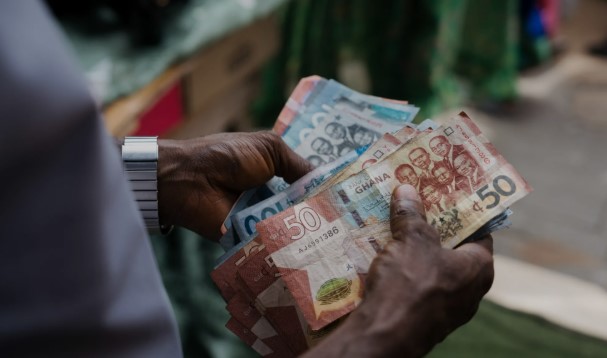
For ordinary Ghanaians, cedi depreciation translates to higher import costs, which ripple through the economy. Food prices, fuel, medicines, and manufacturing inputs all become more expensive when the local currency weakens. This feeds inflation—a problem already highlighted by the BoG.
The global growth outlook has also deteriorated. The World Bank and United Nations now project global growth at 2.5%, down from the International Monetary Fund's April estimate of 3.1%. Slower global growth typically reduces demand for Ghana's exports, shrinking foreign exchange inflows and further pressuring the cedi.
For businesses and households, this creates a challenging environment: currency weakness raises borrowing costs, as the cedi value of external debt grows, whilst tighter global financial conditions reduce access to affordable international credit.
The BoG faces a delicate balancing act. It must weigh the need to defend the cedi and contain imported inflation against the risks that sharply higher interest rates could choke off domestic growth and worsen unemployment. The decisions made at the ongoing MPC meeting will shape Ghana's monetary response to these external shocks.
Source: MyJoyOnline


Comments (0)
Be the first to comment.