Oil prices fall on Iran diplomacy hopes as Middle East tensions simmer
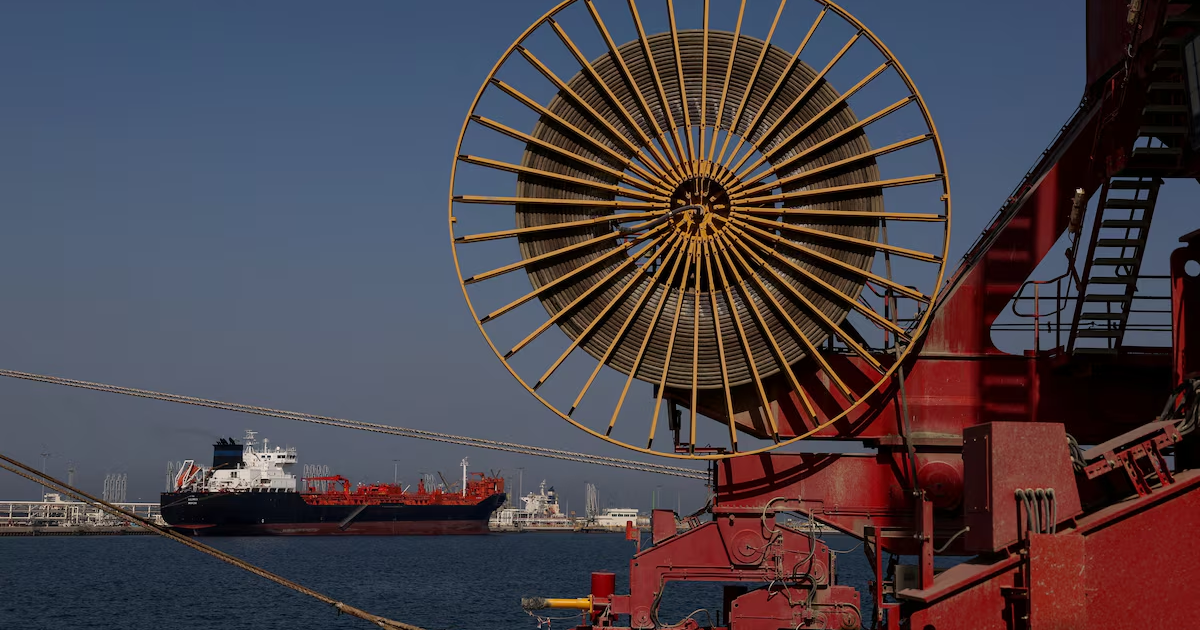
Crude oil prices tumbled to their lowest levels in over a week on Monday as investors bet on diplomatic progress between the United States and Iran, even as Middle Eastern tensions remain volatile and threats to regional oil supplies persist.
Brent crude futures fell to $101.71 per barrel, down 2.08%, whilst US West Texas Intermediate crude slipped to $98.15 per barrel, losing 2.14% of its value. Both benchmarks touched their lowest points since 10 September, signalling a shift in investor sentiment away from the geopolitical risk premium that has underpinned oil prices throughout the year.
Diplomatic window emerging
The price decline reflects cautious optimism that a diplomatic breakthrough could ease escalating tensions. Iranian President Masoud Pezeshkian is expected in New York this week for the United Nations General Assembly, and US President Donald Trump indicated openness to a bilateral meeting. Iran's security chief has reportedly conveyed conditions through mediators for potential negotiations aimed at ending the broader conflict.
However, analysts remain sceptical about whether these diplomatic overtures will produce tangible results. Tim Waterer, chief market analyst at KCM Trade, noted that whilst investors are removing risk premiums from oil prices based on hopes of de-escalation, whether those hopes prove justified remains uncertain.
Houthi attacks and Saudi recovery efforts
Despite the diplomatic optimism, Yemen's Iran-backed Houthis continued to disrupt regional stability over the weekend, attacking targets including Saudi Aramco's East-West pipeline and sensitive sites across Saudi Arabia using missiles and drones. These strikes forced the kingdom to recalibrate its export strategy, shifting more shipments through the Strait of Hormuz rather than relying on the damaged pipeline route to the Red Sea.
Saudi Arabia's pivot has yielded surprising results. According to provisional data from analytics firm Kpler, Saudi oil exports have rebounded to over 4 million barrels per day in September after crashing to just 2.4 million bpd in August—the lowest level since at least 2013. Satellite data indicates Saudi crude moving through the Strait of Hormuz alone averaged 2.9 million bpd over the past six days, up dramatically from 700,000 bpd in August.
Why it matters for Ghana
Ghana's economy remains vulnerable to oil price volatility. As a crude oil exporting nation, lower prices directly affect government revenues from petroleum earnings, which fund critical infrastructure and public services. Conversely, cheaper crude can ease domestic fuel costs and reduce inflation pressures that burden Ghanaian consumers and businesses.
The broader Middle Eastern instability also carries indirect implications. Any sustained disruption to global oil supplies could drive prices upward unexpectedly, whilst successful diplomatic resolution could support Ghana's economic planning by stabilising the global energy market. Regional stability also affects maritime security in the Gulf of Guinea, where Ghanaian waters host significant shipping and oil operations.
JPMorgan analysts suggest Middle Eastern oil flows remain resilient despite ongoing disruptions, with total flows averaging 17.1 million barrels per day over the past ten days—only 6.1 million bpd below 2025 averages. This stability, combined with diplomatic progress, may prevent the sharp price spikes that would damage Ghana's fiscal position and energy-dependent industries.
Source: MyJoyOnline

Comments (0)
Be the first to comment.