Global oil crisis deepens as Middle East infrastructure crumbles: What Ghana needs to know
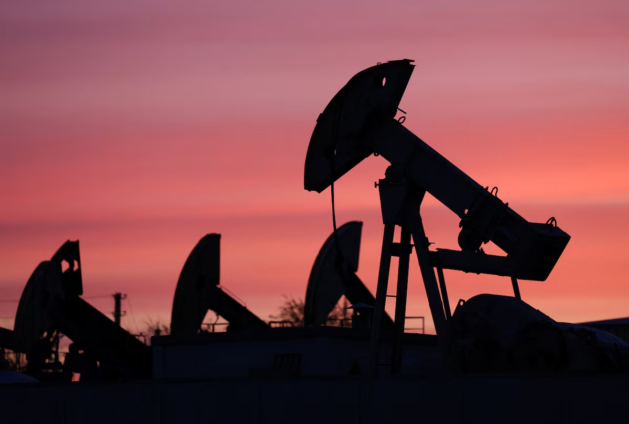
The world's oil markets are facing a perfect storm. As conflict in the Middle East continues to disrupt the Strait of Hormuz—traditionally responsible for moving roughly one-fifth of global petroleum—Saudi Arabia and other Gulf producers have turned to backup routes. Now those alternatives are failing too, creating a cascading energy crisis with implications that reach far beyond the region.
The latest blow came when drone strikes forced Saudi Arabia to shut its East-West Pipeline, which had been carrying approximately 4 million barrels per day across the Arabian Peninsula to the Red Sea port of Yanbu. That volume represents about 4% of global daily oil supply. Industry estimates suggest full restoration could take five to six weeks, though partial operations might resume sooner. At current export rates, reserves at Yanbu may sustain shipments for only five to seven days if repairs are delayed.
The collapsing backup plan
For decades, the Strait of Hormuz has been the world's most critical oil chokepoint. During the first half of 2025, roughly 20.9 million barrels per day flowed through it—about one-fifth of all global petroleum consumption. Saudi Arabia and the United Arab Emirates invested in pipeline infrastructure specifically designed to bypass Hormuz during emergencies, with combined capacity of around 4.7 million barrels per day. The East-West Pipeline alone carries crude from eastern Saudi fields to Yanbu on the Red Sea, providing an alternative route when Persian Gulf shipping faces disruption.
That safety net is now severely compromised. Recent data shows oil flows through Hormuz crashed from 21.6 million barrels per day in late 2025 to just 4.9 million in the second quarter of 2026. Meanwhile, shipments through the Bab el-Mandeb Strait—the southern gateway to the Red Sea—jumped from 5.4 million to 8.1 million barrels per day over the same period. The entire global oil transportation system has been forcibly rerouted, and that concentrated dependence on the Red Sea route makes it an even more attractive target.
Iran-aligned Houthi forces have advanced along Yemen's Red Sea coast and now control Perim Island in the Bab el-Mandeb Strait. This positions them to threaten shipping in the very corridor where Saudi Arabia is increasingly desperate to move its exports. The infrastructure built to reduce vulnerability to one chokepoint has inadvertently created new vulnerabilities at another.
Why it matters for Ghana
Ghana's economy is intricately linked to global oil markets. As a significant crude oil producer itself, Ghana benefits from higher international prices during supply constraints—but only if it can continue exporting. More importantly, disruptions that drive up global fuel costs directly impact Ghanaian consumers and businesses. Fuel is essential to transportation, electricity generation and manufacturing across the country.
When oil supplies tighten globally, prices rise. This feeds through to petrol and diesel prices at Ghana's pumps, increasing transport costs for goods and services. Higher fuel costs cascade through the economy—affecting commuters, taxi drivers, transporters and the cost of everything from food to electricity. For a developing economy like Ghana's, which imports significant fuel quantities, global supply disruptions translate rapidly into domestic hardship.
Additionally, Ghana's own oil revenues depend on stable international markets. Production challenges or price volatility affect government revenue and the nation's ability to fund critical programmes. The broader regional instability also matters: disruptions to Middle Eastern supply chains can affect shipping costs and availability of goods that Ghana imports.
Storage and time running out
Saudi Arabia maintains crude inventories at Yanbu, so the immediate shutdown does not halt exports overnight. However, storage is a temporary measure. At current export rates, available reserves at the port provide only five to seven days of buffer. Additional Saudi crude stored at Egyptian ports offers limited additional cushion, but if pipeline repairs extend for weeks, those stocks will eventually deplete.
Compounding the problem, Saudi production has already fallen sharply during the conflict. The kingdom reported output dropping to 6.2 million barrels per day in August, down from 10.9 million in February. If the East-West Pipeline remains offline for an extended period, Saudi Arabia faces difficulty maintaining exports despite possessing enormous underground reserves. Having oil reserves is meaningless if pipelines, ports and shipping routes cannot deliver it to market.
The situation underscores a hard lesson in geopolitics and energy security: redundancy and backup infrastructure only work if they are not simultaneously compromised. As global oil supplies remain under strain and repair timelines remain uncertain, both the international market and economies dependent on stable fuel prices—including Ghana—face mounting pressure in coming weeks.
Source: The Ghana Report
Comments (0)
Be the first to comment.