Oil prices surge past $94 as Trump's Iran sanctions threaten Ghana's energy costs
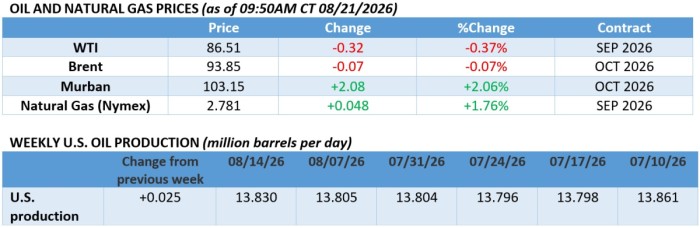
Oil prices are climbing steadily toward $100 per barrel this week, driven by escalating geopolitical tensions in the Middle East and a sharp contraction in shipping through the critical Strait of Hormuz. The surge reflects what analysts describe as a dangerous cocktail of supply disruptions, trade sanctions and heightened maritime security risks—developments that carry direct consequences for Ghana's energy sector and import costs.
The catalyst is US President Trump's announcement of an "Economic D-Day" campaign against Iran, which includes sweeping penalties against countries and firms trading with Tehran. This threatens to choke off Iranian crude exports and is already reshaping global oil flows. Transits through the Strait of Hormuz—the world's most important oil chokepoint—have plummeted to single-digit volumes this week, a sign of severe supply anxiety. Brent crude stands at $94 per barrel, with momentum building toward the psychologically significant $100 mark.
What Ghana faces as energy costs rise
For Ghana, higher global oil prices translate directly into increased costs for imported refined fuels and LNG—both critical for power generation and transportation. Ghana's domestic oil production, while significant, does not meet full domestic demand, making the country vulnerable to international price swings. A sustained move above $100 per barrel would push inflation pressures on fuel, electricity and transport, ultimately hitting household and business budgets. The timing is particularly sensitive given Ghana's recent efforts to stabilise the cedi and manage inflation.
Beyond price, the wider Middle East disruption creates supply uncertainty. Asian LNG prices have spiked to $24 per MMBtu—extraordinarily high—reflecting panic buying and limited alternatives. Ghana, which imports liquefied natural gas, could face higher costs for power generation if this trend persists.
Regional ripple effects and alternative energy routes
The sanctions regime is reshaping where oil flows globally. Iraq, another major regional producer, is trying to reduce its dependence on Hormuz by developing alternative export corridors and securing new export contracts. Japan has dramatically increased its imports of US crude and LNG to dodge Middle East risks. These shifts reveal how quickly energy markets can reorient—but they also underscore the fragility of supply chains that African oil importers like Ghana depend on.
Piracy is resurging too. Armed groups recently hijacked a tanker carrying products from the Gulf of Oman toward Sudan, signalling fresh security threats beyond Houthi attacks. Such incidents drive up freight costs and insurance premiums, ultimately raising landed prices for African importers.
Other factors compound the pressure. The Panama Canal, a key shipping artery for oil reaching Africa and beyond, is facing severe water shortages due to El Niño. The canal authority is rationing transits from 35 to 32 per day by mid-September, creating vessel queues and higher auction costs. This threatens to add further friction to global supply chains.
The broader context: Why it matters for Ghana
Ghana's economy relies on energy stability. Higher fuel and power costs increase production costs for businesses, raise transport fares, and squeeze household purchasing power. They also complicate macroeconomic management at a time when the government is working to bring inflation under control and stabilise the exchange rate.
The structural lesson is clear: geopolitical shocks in the Middle East, supply chain bottlenecks in the Americas, and climate disruptions in Central America all feed directly into Ghana's energy bill. Diversifying energy sources—whether through increased renewable capacity, biofuels, or securing long-term LNG contracts at stable prices—becomes more strategically important when global markets are this volatile.
Oil may stabilise below $100, but the week ahead will test resolve. For now, Ghanaians should expect upward pressure on fuel and electricity prices within weeks, as importers and utilities pass through higher costs.
Source: The Ghana Report
Comments (0)
Be the first to comment.