Strait of Hormuz Crisis: Iran Waits for US Response as Trump Rejects Seven-Day Deal
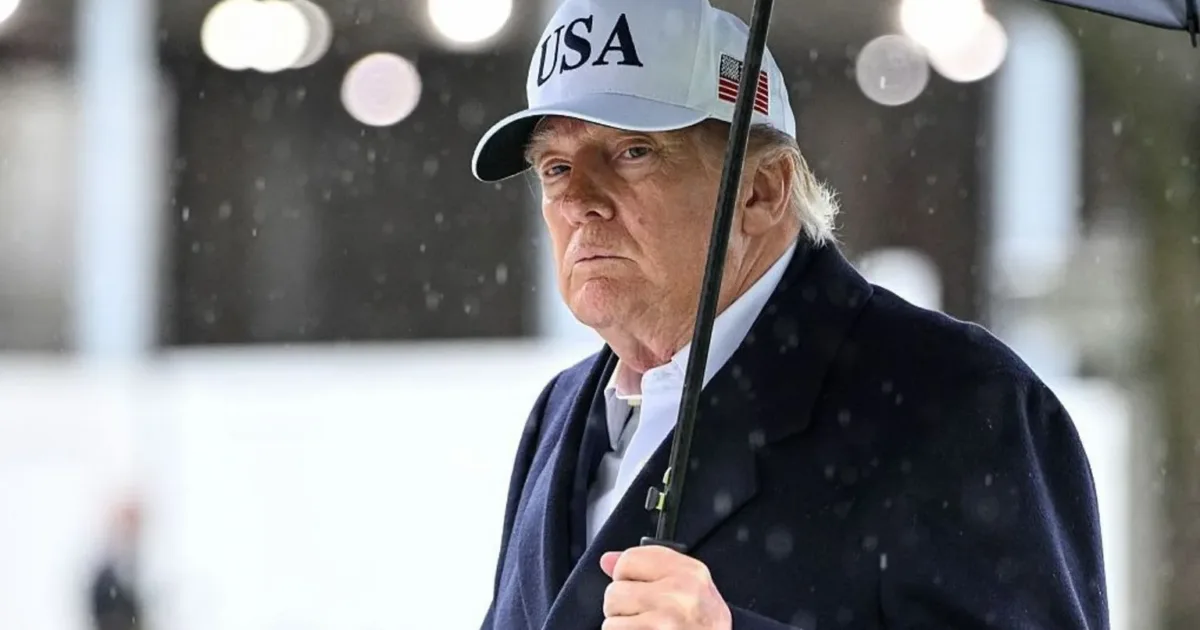
Tensions over one of the world's most critical shipping routes have intensified after US President Donald Trump flatly rejected Iran's proposal to reopen the Strait of Hormuz to commercial shipping within seven days. In response, Iranian Foreign Minister Abbas Araghchi stated that Tehran will await an official response from US negotiators, signalling a pause in direct confrontation even as diplomatic stakes remain extraordinarily high.
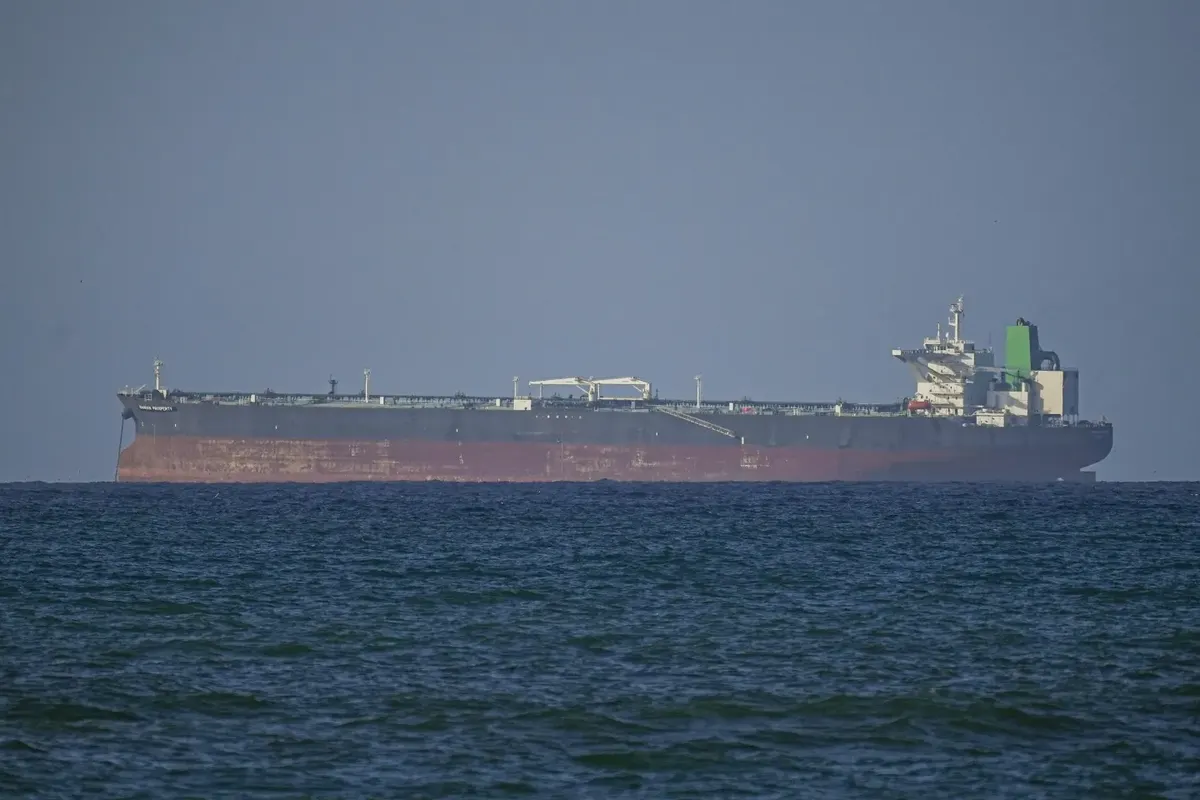
The Strait of Hormuz, through which approximately a fifth of global oil and gas supplies normally transit, has been effectively closed since the outbreak of conflict in February. The blockade threatens global energy markets and shipping security—concerns that reverberate across African economies heavily dependent on stable energy prices, including Ghana.
What Trump and Iran Are Saying
Trump dismissed Iran's proposal as unacceptable during a Saturday White House statement, claiming the United States already maintains "total control" of the waterway with "massive amounts of oil" passing through. US Ambassador to NATO Matthew Whitaker reinforced this position on Fox News, characterising Iran's offer as "half measures" and "illusory deals" designed for public relations rather than genuine resolution.
Araghchi responded via Telegram, acknowledging Trump's rejection whilst criticising the president for making contradictory statements. He indicated that Iran's conditions for reopening the strait remained aligned with a memorandum of understanding signed between the two nations in June. "We are waiting for the mediators to convey the definitive views to us, and we will make a decision based on them," Araghchi wrote, suggesting Iran may be signalling openness to continued negotiation through intermediaries.
Oman, serving as the primary mediator between Washington and Tehran, has called for sustained dialogue. Oman's Foreign Minister Sayyid Badr bin Hamad bin Hamood Albusaidi urged all parties to cooperate in safeguarding navigation through the strategic waterway, positioning the sultanate as a neutral broker in an increasingly tense standoff.
Economic Pressure and Sanctions Strategy
The Trump administration has escalated economic pressure through what it terms "Operation Economic Outcast." US Treasury Secretary Scott Bessent reported that Turkey, Oman, and the United Arab Emirates have halted flights by various Iranian airlines, whilst certain banks in these nations have suspended transactions with Tehran.
However, the effectiveness of these sanctions remains uncertain. Economic analysts question whether the measures will achieve intended results, particularly given that China—Iran's largest oil trading partner—has historically disregarded US sanctions and maintained commercial relationships with Tehran. Without compliance from major trading partners, the blockade's economic impact may prove limited.
Why It Matters for Ghana
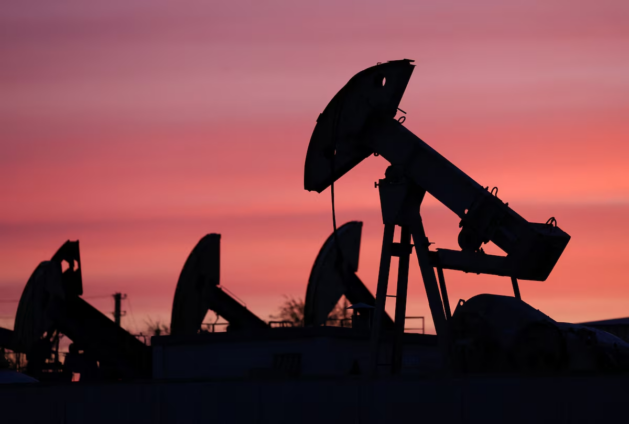
Ghana's economy depends significantly on stable global energy markets and predictable shipping routes. Closure of the Strait of Hormuz disrupts international oil supplies and inflates energy costs worldwide, directly affecting African nations including Ghana. Higher oil prices translate to increased fuel costs for transportation, electricity generation, and manufacturing—ultimately raising consumer prices and straining household budgets across the country.
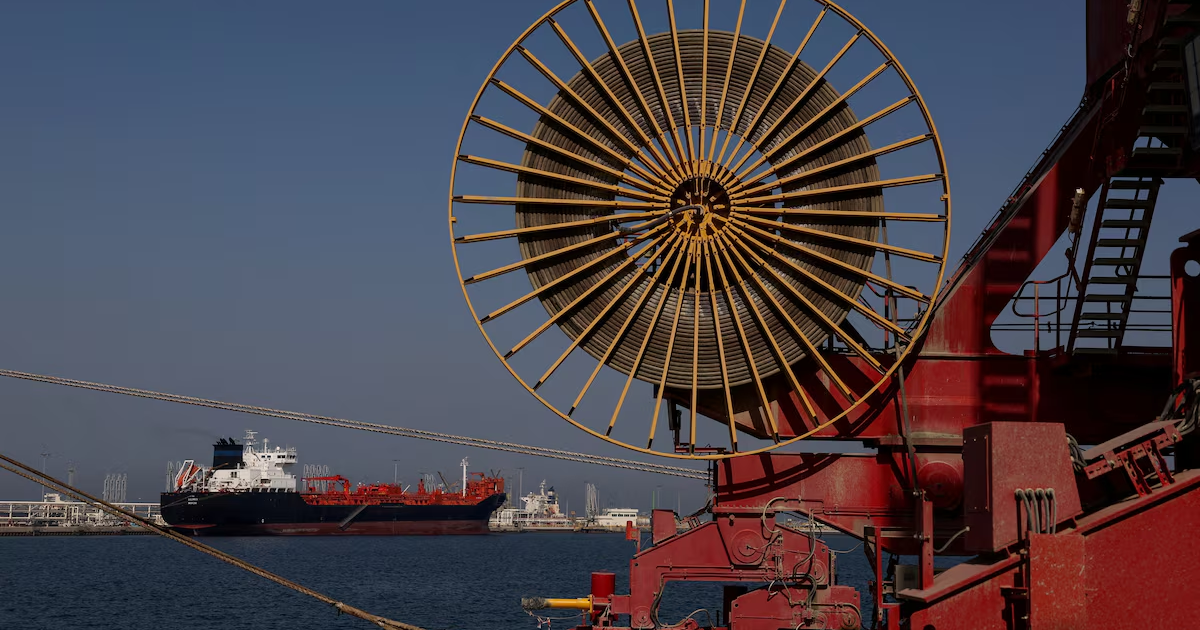
Additionally, Ghana's agricultural and manufacturing sectors rely on efficient maritime trade. Disruptions to global shipping routes increase logistics costs for Ghanaian exporters and importers, potentially weakening competitiveness in regional markets. The ongoing standoff also reflects broader instability in the Middle East that can indirectly affect West African security and economic stability through migration pressures and regional tensions.
The Strait of Hormuz crisis underscores Ghana's vulnerability to geopolitical conflicts beyond its borders. As negotiations continue through Omani mediation, Ghanaians should monitor developments closely, as resolution or escalation will have tangible consequences for energy prices, trade, and economic growth across the nation.
Source: MyJoyOnline
Comments (0)
Be the first to comment.