Oil prices fall as Middle East peace talks raise hopes for Strait of Hormuz reopening
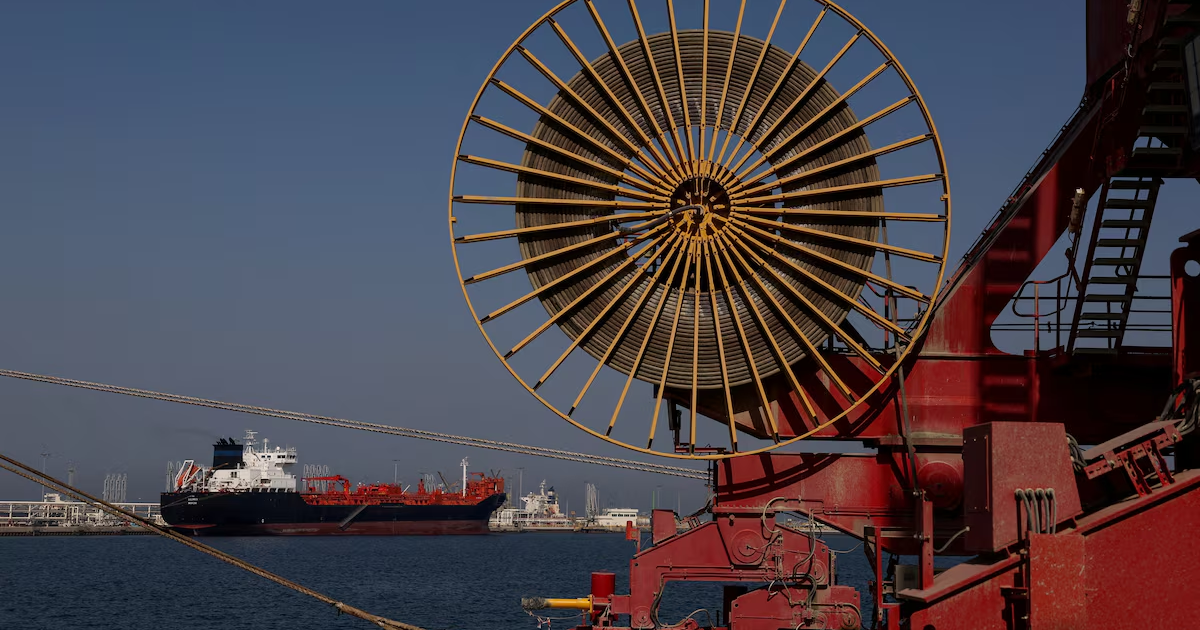
Oil prices extended losses on Thursday as investors grew optimistic about diplomatic progress that could ease one of the most disruptive supply crises in recent years. Brent crude fell 0.5% to $87.43 per barrel, marking a fourth consecutive day of declines, whilst West Texas Intermediate dropped 0.5% to $81.86, extending a five-day losing streak.
The price movement reflects growing expectations that talks between Iran and Qatar could lead to reopening of the Strait of Hormuz, the vital maritime chokepoint through which approximately one-fifth of global oil and natural gas consumption normally flows. Since conflict escalated in late February, oil flows through the strait have plummeted to roughly one-quarter of pre-war levels, creating significant supply uncertainty across global markets.
Diplomatic progress offers cautious optimism
Iran and Oman are reportedly finalising an agreement on managing the Strait of Hormuz and sharing its revenues, according to Iranian officials. This development comes as Qatar's prime minister was scheduled to travel to Iran to relaunch broader conflict resolution talks. The U.S. pause in military operations against Iran over the past month, combined with a shift towards economic pressure, has boosted investor confidence that negotiations might yield tangible results.
However, substantial obstacles remain. Commentators warn that the parties are far apart on core demands needed to end the nearly six-month conflict. Iran has consistently stated it would not open the strait unless the U.S. honoured a ceasefire agreement struck in June that subsequently collapsed. Nuclear programme disputes—central to the broader geopolitical tensions—are unlikely to be resolved quickly, analysts cautioned.
Why it matters for Ghana
Ghana's economy is directly exposed to global energy price volatility. As an oil-producing nation and net energy importer, disruptions to international oil supplies and price fluctuations affect domestic fuel costs, transportation expenses, and industrial production. Supply disruptions from the Middle East typically translate to higher global crude prices, which Ghana's importers must absorb. Conversely, falling oil prices create opportunities for cost relief at the pump and reduced pressure on the balance of payments—though revenues for Ghana's own oil sector decline accordingly.
The Strait of Hormuz crisis also affects Ghana indirectly through broader economic spillovers. Diesel shortages globally, worsened by refinery damage in the Middle East and Russian operations, drive up shipping costs that eventually raise import prices for goods Ghanaians consume. The U.S. Energy Information Administration reported that American distillate stockpiles hit historic lows for August, signalling potential tightness in global fuel availability that could ripple through supply chains affecting Ghana.
Lingering uncertainty clouds the outlook
Despite the recent price declines, oil market analysts emphasise that a "war premium" remains embedded in crude prices as long as supply risks persist. The Middle East conflict continues causing damage to regional refinery infrastructure, whilst simultaneous disruptions from the Russia-Ukraine war have cut diesel exports from major suppliers. This dual shock to refining capacity means that even if the Strait of Hormuz reopens partially, global diesel markets may remain tight.
Market strategists note that Iran fully understands the strategic leverage its geographical position provides and the importance of the strait to global energy security. This reality suggests protracted uncertainty is probable, meaning oil prices could remain volatile regardless of short-term diplomatic breakthroughs. For Ghana, monitoring these developments remains crucial as energy price stability affects inflation, consumer purchasing power, and government fiscal planning.
Source: MyJoyOnline
Comments (0)
Be the first to comment.