Trump Rejects Iran Strait Deal: What Ghana's Oil Future Means in Global Energy Crisis
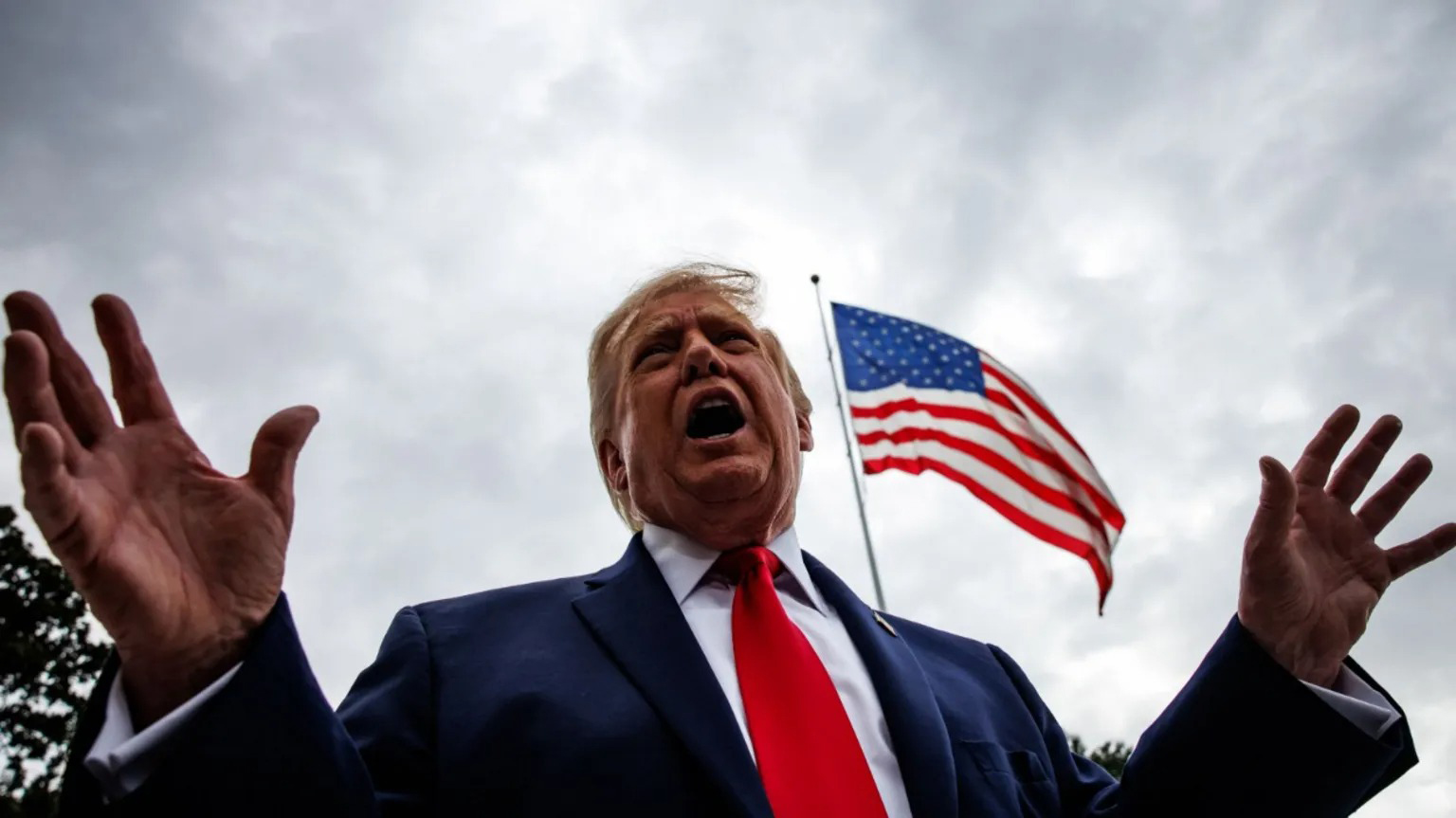
Global energy markets are bracing for continued disruption as US President Donald Trump has flatly rejected Iran's proposal to reopen the strategically critical Strait of Hormuz within seven days. The rejection marks a significant escalation in the standoff between Washington and Tehran, with implications that extend far beyond the Middle East—including potential consequences for Ghana's energy costs and West African stability.
Iran's Foreign Minister Abbas Araghchi had proposed that if the US met specific conditions outlined in a memorandum of understanding signed in June, the strait could be reopened to commercial shipping within a week. Trump dismissed the offer on Saturday, asserting that the US already maintains control of the waterway and that any agreement Iran proposes would be unacceptable. He told reporters he preferred to pursue his own terms rather than revisit the previous accord.
The Strait Crisis and Global Oil Supply
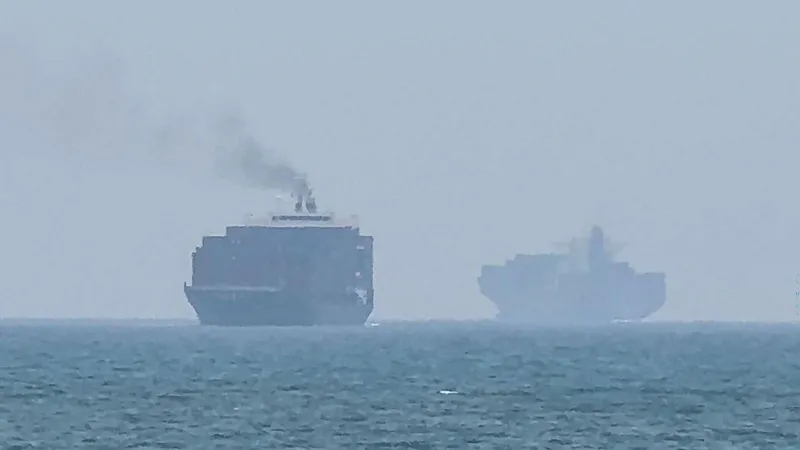
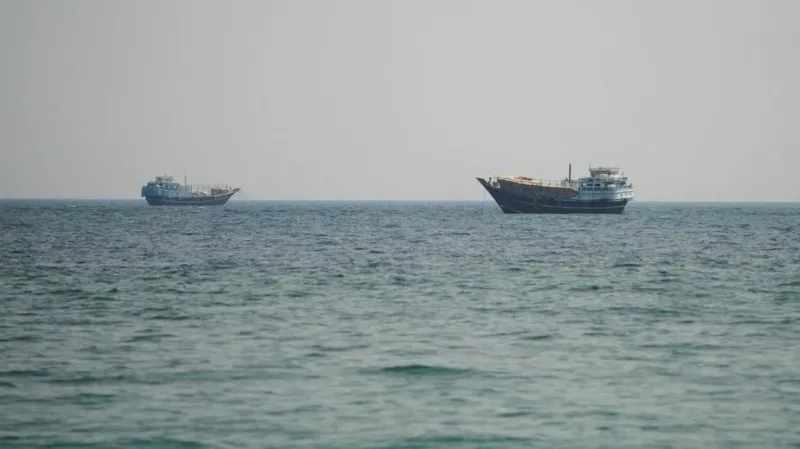
The Strait of Hormuz is no minor geographical feature—it is one of the world's most critical energy chokepoints. Approximately one-fifth of global petroleum and natural gas supplies normally flow through this narrow passage between Iran, the United Arab Emirates and Oman. Since February's outbreak of wider Middle East conflict, the strait has been effectively closed to normal commercial traffic, creating unprecedented pressure on global energy supplies and prices.
Current shipping data reveals the severity of the situation. Analytics firms report that daily vessel transits have fallen to as low as nine ships on certain days, compared to historical norms. This dramatic reduction has already triggered wild fluctuations in energy prices globally, and the impasse shows no immediate signs of resolution given Trump's hardline stance.
Compounding the crisis, Yemen's Houthi movement—allied to Iran—has intensified attacks on shipping and Saudi Arabian oil infrastructure via the Red Sea, capturing key ports including Mokha this month. The group has launched ballistic missiles and drones at Saudi targets, further disrupting regional commerce and energy flows.
Why It Matters for Ghana
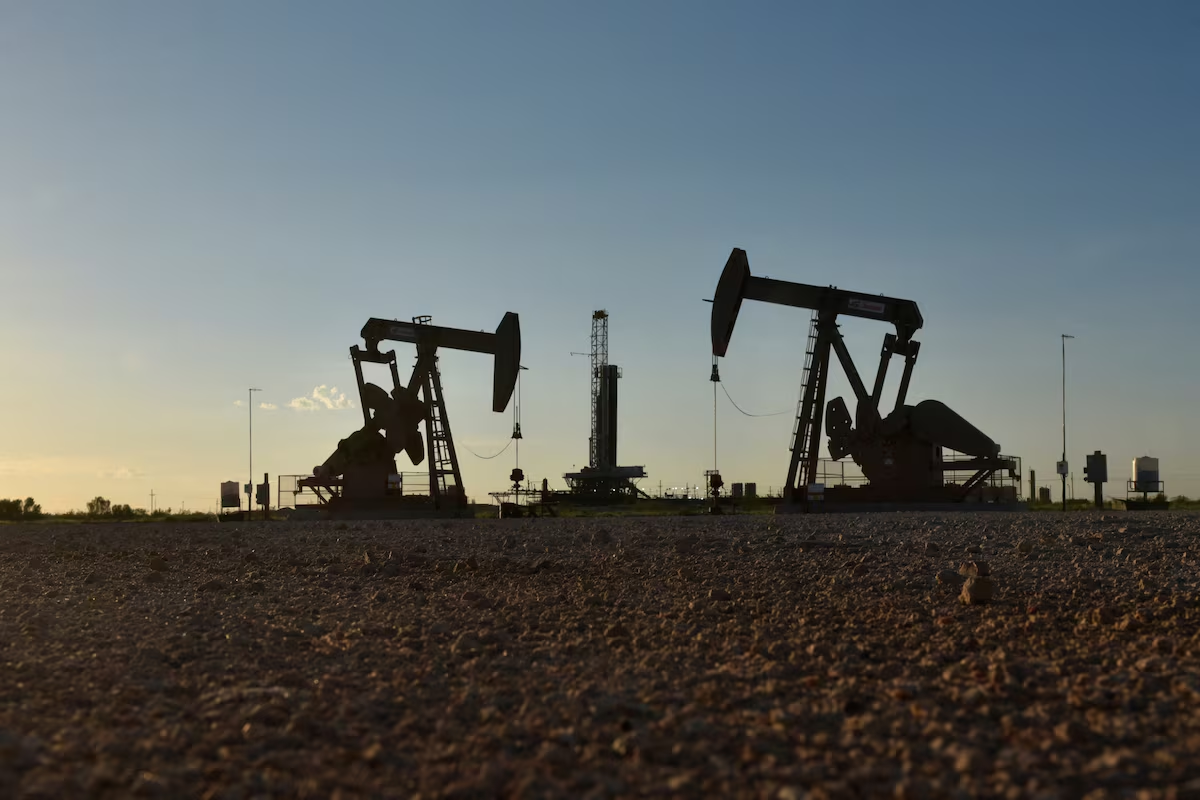
For Ghanaians, this geopolitical standoff has direct economic consequences. Ghana is both an oil-producing nation and an importer of refined petroleum products. Global oil price volatility directly impacts local fuel costs at the pump, which in turn affects transportation, manufacturing and electricity generation costs across the economy.
When global oil supply tightens—as it has with the Strait closure—international prices spike. Ghanaian consumers and businesses typically absorb these shocks through higher prices for petrol, diesel and cooking gas. Additionally, Ghana's own oil exports become more valuable when global supplies are constrained, but this benefit is offset by the reality that global economic uncertainty (triggered by energy crises) tends to depress demand for crude.
Beyond the direct energy angle, the broader Middle East instability affects West African security and trade. The conflict has destabilised maritime commerce across key shipping routes, and increased costs for goods imported from Asia and Europe to Ghana. The potential for further escalation—with the Wall Street Journal reporting that Trump's team views a renewed bombing campaign as probable—raises the risk of even more severe global supply chain disruptions.
What Comes Next?
Trump has claimed the US has successfully managed to move oil through the strait, though shipping data suggests transit volumes remain severely constrained. The MOU Iran references, which was designed to achieve a ceasefire and partly reopen the strait, contained 14 provisions including Iran's commitment never to develop nuclear weapons, mutual cessation of military operations and lifting of sanctions and naval blockades. However, both sides have resumed strikes, rendering the agreement defunct.
With Congressional elections in November, Trump faces political pressure to stabilise energy prices. However, his rejection of Iran's proposal suggests he intends to pursue a harder negotiating position rather than accept any agreement seen as unfavourable to US interests. For Ghana and the broader developing world, this means energy price uncertainty is likely to persist in the medium term.
Source: The Ghana Report
Comments (0)
Be the first to comment.