Trump's Hormuz blockade and 20% toll threat: what it means for Ghana's oil imports and trade
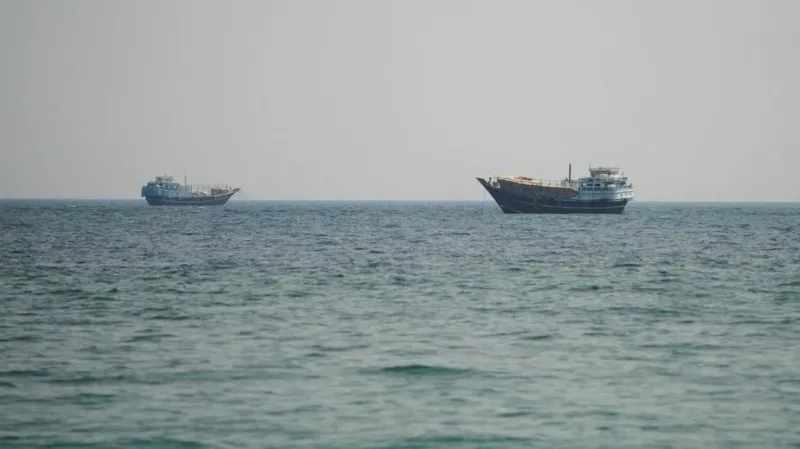
Tensions between the United States and Iran have reached a critical point, with President Donald Trump announcing a naval blockade of Iranian ports and threatening a 20% tax on all cargo transiting the Strait of Hormuz—one of the world's most strategically vital shipping lanes. The announcement comes after days of military strikes between Washington and Tehran, and it raises serious questions about global energy security and the implications for oil-dependent economies like Ghana.
What Trump is proposing
Trump stated that the US would reinstate a blockade targeting Iranian vessels while keeping the Strait open for other nations, effectively positioning America as the guardian of this critical waterway. Under his plan, all non-Iranian cargo would face a 20% surcharge for safe passage through the Strait, which Trump claims would reimburse the US military for the costs of maintaining security in the region. The blockade was set to begin on 14 July, with the toll structure following shortly after.
Iranian Foreign Minister Abbas Araghchi responded sarcastically, agreeing in principle that whoever provides safe passage should be compensated—but rejecting the 20% figure as excessive. Iran's military leadership has warned that any cooperation with US efforts would be treated as an act of war against Iranian sovereignty, raising the prospect of further escalation if the plan proceeds.
Why it matters for Ghana
For Ghana, this development carries significant economic implications. The Strait of Hormuz handles roughly 25% of the world's oil supply and 20% of global liquefied natural gas trade. Any disruption to these flows directly affects oil prices globally, which impacts Ghana's domestic fuel costs, electricity generation, and overall economy.
Ghana, as an oil-exporting nation, also stands to benefit from elevated oil prices if the blockade restricts supply—potentially boosting government revenue from petroleum exports. However, the broader economic impact is mixed. Higher energy costs ripple through the economy, affecting transportation, manufacturing, and the cost of goods for ordinary Ghanaians. If the 20% toll becomes reality, shipping costs for all imports passing through the region could rise, further pressuring prices for goods that Ghanaians rely on.
Additionally, any military escalation between the US and Iran could destabilise the wider Middle East, a region with which West Africa maintains significant trade relationships. Ghana's maritime routes and those of other ECOWAS nations could face indirect consequences if regional instability spreads or if international shipping insurance and routing practices shift in response to perceived risks in the Middle East.
Legal and practical challenges
Trump's plan faces significant obstacles. The International Maritime Organization (IMO), the UN agency governing global shipping, firmly opposes the toll scheme, stating there is no legal basis for mandatory charges on vessels transiting international straits. Under international law, countries control only territorial waters extending 12 nautical miles from their coastline. At its narrowest point, the Strait of Hormuz lies entirely within Iran and Oman's territorial waters, complicating any unilateral US enforcement.
The announcement also requires congressional approval to extend military operations beyond 60 days, though the White House can seek a 30-day extension citing national security concerns. The practical implementation of such a blockade—identifying and screening vessels, collecting tolls, and managing disputes—remains unclear and would face significant international resistance.
Ghana should monitor this situation closely. Rising oil prices could provide a short-term boost to government revenues, but sustained economic disruption and regional instability would ultimately harm Ghanaian consumers and businesses.
Source: MyJoyOnline
Comments (0)
Be the first to comment.