Iran's new leader vows revenge for father's death as Middle East tensions spiral
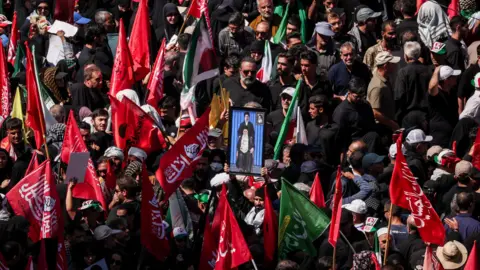
Tensions in the Middle East have reached a critical juncture following a written statement from Iranian Supreme Leader Ayatollah Mojtaba Khamenei, in which he pledged revenge for the death of his father and predecessor, Ayatollah Ali Khamenei, who was killed in an air strike on 28 February. The statement, read on state television on Saturday, marked the first public message from the younger Khamenei since his father's funeral ceremonies began earlier in the week.
The killing occurred during what the Iranian government describes as the first day of a US-Israeli military campaign against Iran. In his statement, Khamenei framed vengeance as the "will of the nation," positioning retaliation as a collective Iranian obligation rather than a personal matter. "We pledge to avenge the blood of the martyred leader and all the martyrs of these two wars from the criminal and disgraced killers," he said, emphasizing that the commitment transcended individual officials or leadership continuity.
Escalating rhetoric and threat levels
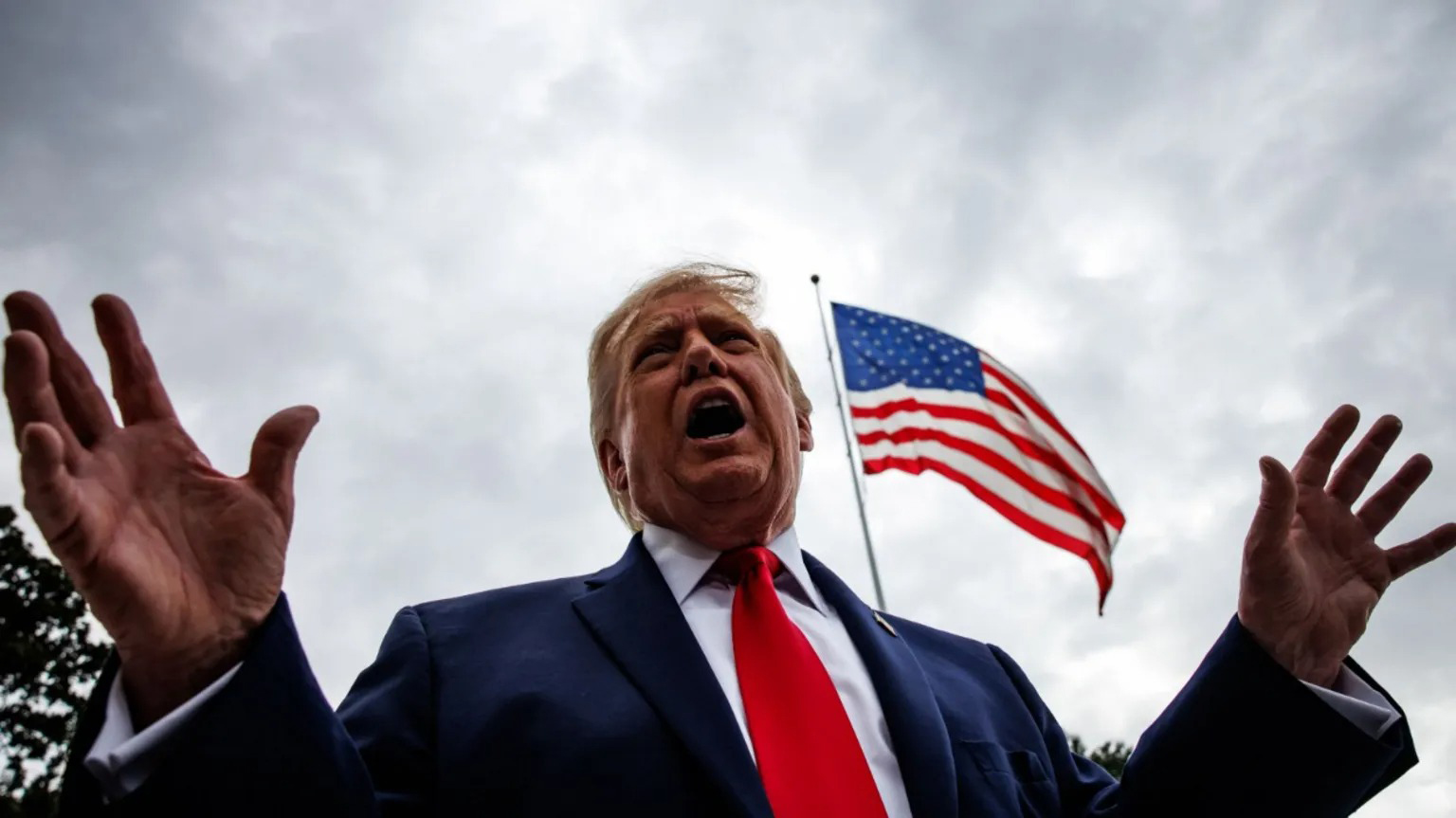
Funeral ceremonies in Mashhad have been marked by increasingly inflammatory rhetoric, with mourners openly calling for the death of US President Donald Trump. The American president responded sharply on Saturday, warning that any assassination attempts would trigger a devastating American response, declaring the US would "decimate and destroy all areas" of Iran.
Intelligence reports suggest Iran had recently developed plans to assassinate Trump, according to the Wall Street Journal and other US media outlets citing Israeli intelligence shared with Washington. Trump, however, disputed both the existence of fresh assassination plots and Israel's role as the intelligence source, telling the New York Post that he had been "No. 1 [on Iran's kill list] for a long time."
Why it matters for Ghana
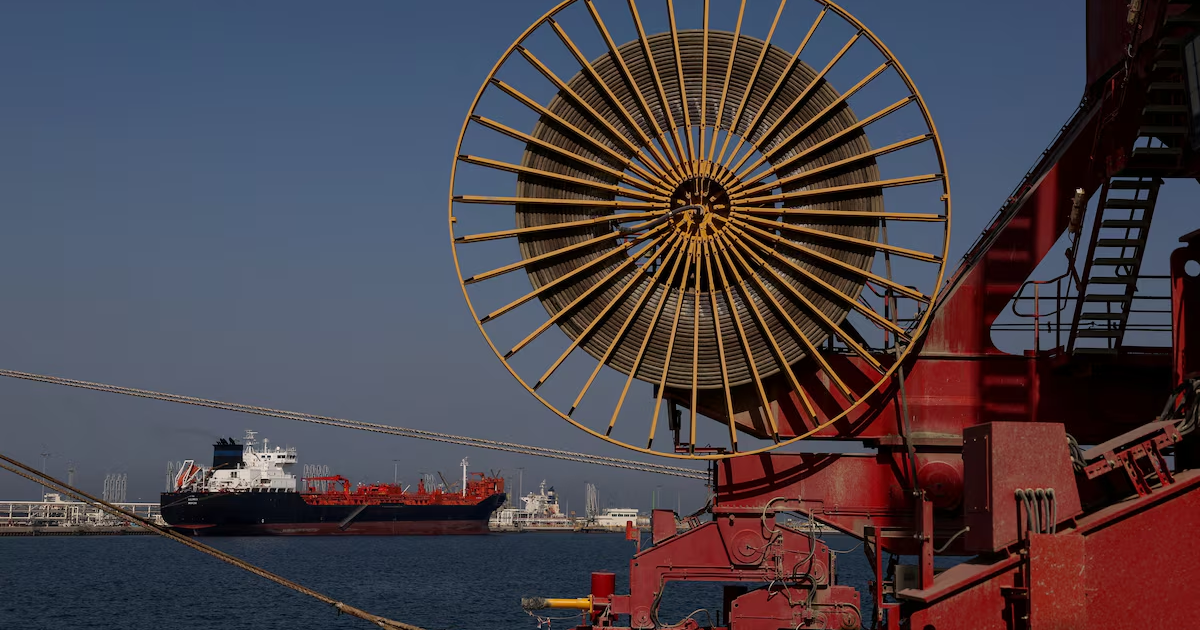
For Ghana and the broader African community, the deteriorating situation in the Middle East poses significant economic and security risks. The Strait of Hormuz, through which approximately one-third of the world's maritime petroleum traffic flows, remains a critical chokepoint for global energy markets. Escalation could disrupt oil prices and shipping routes that affect African economies, including Ghana's own energy sector and import costs.
Additionally, regional instability in the Middle East historically triggers migration pressures and security concerns across Africa, as displaced persons and militant groups seek alternative bases. Ghana, as a stable West African nation and gateway for regional commerce, could face indirect consequences ranging from energy price volatility to potential refugee movements through ECOWAS routes.
The ceasefire under strain
A June ceasefire agreement between the US and Iran had appeared to provide a temporary respite, aimed at facilitating broader negotiations. However, recent incidents have severely tested this fragile arrangement. Three commercial tankers were attacked whilst crossing a US-recommended shipping corridor through Omani waters. Iran has consistently argued that only routes through its own waters are "safe," creating persistent friction over maritime commerce.
The tanker attacks triggered a series of US military responses in which 17 people were killed and 115 injured, according to Iranian officials. Iran retaliated with strikes on American allies in the Gulf region. These tit-for-tat escalations prompted Trump to declare the ceasefire "over," though both sides have indicated willingness to continue diplomatic talks through mediators.
US officials have demanded that Iran publicly declare the Strait of Hormuz open for commerce and commit to ceasing attacks on commercial shipping. Conversely, Iranian officials told American counterparts through mediators that the tanker attacks were a mistake attributable to a "rogue internal group," suggesting potential internal divisions within Iranian security apparatus.
Source: MyJoyOnline

Comments (0)
Be the first to comment.