US demands Iran pledge to stop attacks on ships in Strait of Hormuz amid fresh ceasefire tensions
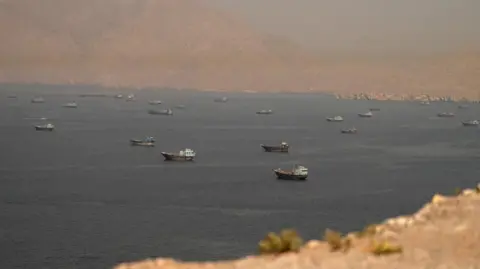
Tensions are escalating in one of the world's most critical shipping corridors as the United States demands Iran make a public commitment to halt attacks on commercial vessels transiting the Strait of Hormuz. The demand comes after this week's exchange of fire between US and Iranian forces—the most serious clash since a ceasefire agreement was signed in June—and ahead of planned talks scheduled for Saturday in Oman.
According to reports from US officials, Washington wants Tehran to issue a formal statement declaring the Strait of Hormuz open to international shipping and pledging an end to firing on merchant vessels. The US has also demanded that Iran publicly acknowledge the attacks were a mistake. One unnamed official told Reuters: "They're either going to give us that statement or we're not having a good outcome for them."
Interestingly, Iranian officials have privately told Trump's advisers that the attacks were indeed an error, attributing them to what they characterised as a rogue faction of hardliners attempting to sabotage ongoing negotiations. "They came back to the table and said, 'We screwed up. We made a mistake. Let's keep talking,'" one senior US official revealed to CBS News.
The escalation and ceasefire collapse
The latest fighting represents a significant setback to diplomatic efforts. In June, the US and Iran had signed a ceasefire agreement that included provisions for safe maritime passage through the Strait of Hormuz. However, this week's attacks violated that understanding, prompting President Trump to declare on Friday that "the Cease Fire is OVER" whilst simultaneously agreeing to continue negotiations.
Three commercial ships were struck whilst using a route recommended by the US through Omani waters. Iran has consistently maintained that the only truly "safe" passage runs through its own designated corridor. This disagreement over maritime routes reflects a deeper dispute over who controls access to one of the world's most economically vital waterways—approximately one-third of global seaborne oil passes through the Strait.
The White House delegation leading Saturday's negotiations includes Vice President JD Vance, Secretary of State Marco Rubio, special envoy Steve Witkoff and Trump's son-in-law Jared Kushner. Qatar's government, meanwhile, sent its own delegation to Iran on Friday to help ease tensions and facilitate discussions on maritime commerce.
Why this matters for Ghana
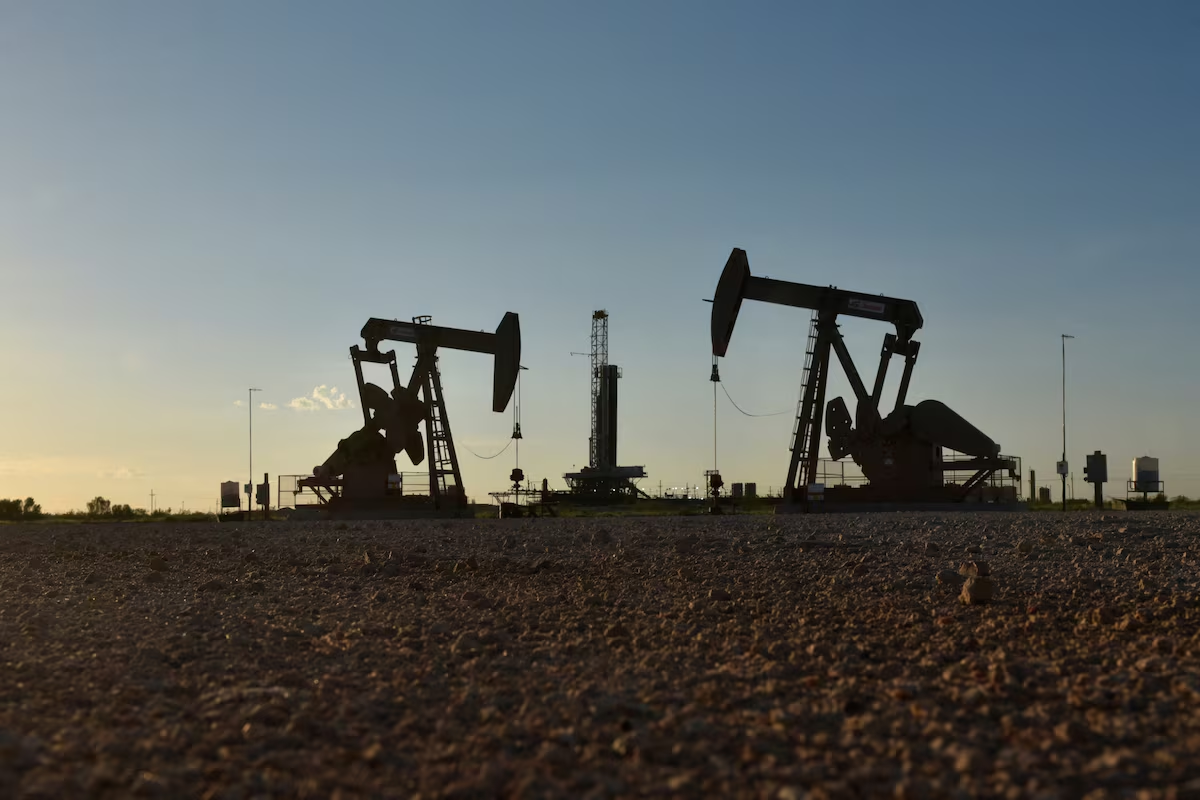
The Strait of Hormuz crisis carries direct implications for Ghanaians and African economies. Ghana, like many developing nations, relies on stable global oil markets and reliable shipping routes. Disruptions in the Strait—which handles roughly 30 percent of global traded oil—drive up energy costs worldwide, affecting everything from fuel prices at the pump to electricity generation costs and transport expenses.
Additionally, the broader Middle East instability influences oil prices that impact Ghana's fiscal planning and economic growth. Any prolonged conflict in the region could increase commodity prices and strain Ghana's balance of payments. Furthermore, Ghanaian seafarers and shipping companies operating in the region face genuine safety risks when major powers clash in critical maritime zones.
Beyond immediate economic concerns, the dispute also highlights how geopolitical tensions reshape global trade patterns and supply chains—issues that matter as Ghana pursues industrialisation and regional trade integration within ECOWAS.
The path forward
Under a 14-point memorandum of understanding agreed last month, Iran and Oman are supposed to hold talks with other Gulf states to define future maritime administration of the Strait. Iran has previously proposed establishing a "Persian Gulf Strait Authority" to manage safe passage permits and potentially collect service fees from transiting vessels.
Whether Saturday's negotiations can restore momentum toward a workable agreement remains uncertain, particularly given the latest hostilities and the Trump administration's hardline stance.
Source: MyJoyOnline
Comments (0)
Be the first to comment.