President Mahama mobilises nationwide effort as Ghana begins major post-flood cleanup drive

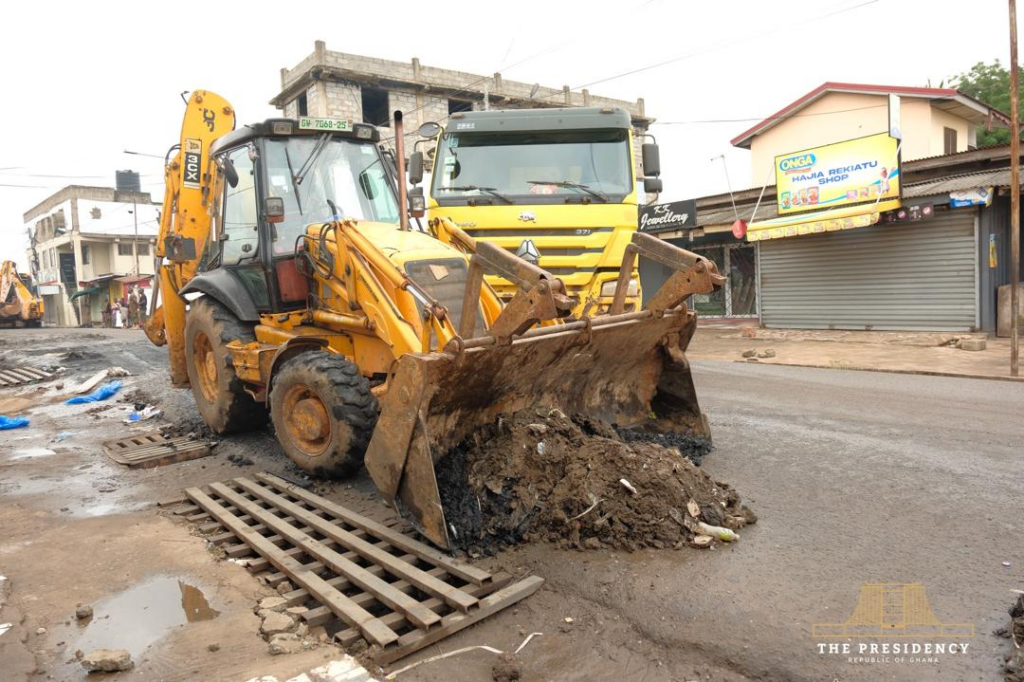
President John Mahama has made an urgent appeal to all Ghanaians to participate actively in the cleanup efforts following devastating floods that struck the country on 29 June, leaving multiple communities submerged and displacing thousands of residents. The President's call comes as authorities launch a coordinated nationwide response to clear debris, restore infrastructure, and prevent secondary health hazards in affected areas.
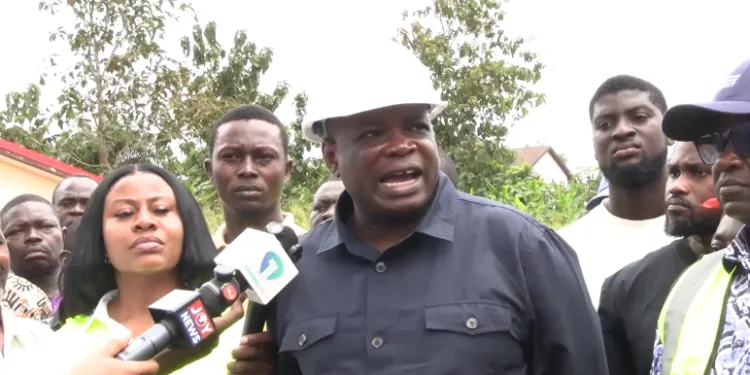
Speaking during a tour of Alajo, one of the hardest-hit neighbourhoods in Accra on the second day of the cleanup operation, President Mahama emphasised that the recovery effort requires collective action from all citizens, not just government agencies. His intervention signals the scale of the disaster and the administration's determination to mobilise resources and public goodwill for rapid restoration.
Alajo and other frontline communities face enormous recovery challenge
The June 29 floods inundated residential areas, businesses, and critical infrastructure across multiple zones. Alajo, located in central Accra, emerged as particularly vulnerable, with residents losing homes, vehicles, and livelihoods to floodwaters. The cleanup phase now requires removal of sediment, waterlogged materials, contaminated waste, and structural debris that poses immediate health and safety risks.
Early reports from affected areas indicate widespread damage to households and commercial establishments. Beyond the physical wreckage, communities face urgent sanitation concerns as floodwaters recede, with stagnant water and decomposing matter creating breeding grounds for disease vectors. The President's push for immediate action reflects awareness that delay increases risks of cholera, typhoid, and other waterborne illnesses.
Why this matters for Ghana
Ghana's vulnerability to flooding has worsened in recent years due to rapid urbanisation, poor drainage infrastructure in cities, and increasingly intense rainfall patterns linked to climate change. The June 29 floods represent the latest in a cycle of recurring disasters that disrupt economic activity, strain healthcare systems, and disproportionately affect low-income communities living in flood-prone zones.
The President's mobilisation appeal reflects two critical realities. First, government resources alone cannot handle the scale of cleanup required across multiple districts—volunteer participation from residents, community groups, religious organisations, and civil society is essential for speed and cost-effectiveness. Second, rapid clearance of debris and restoration of basic services directly impacts disease prevention and economic recovery.
This cleanup initiative also tests Ghana's disaster management preparedness. Beyond immediate recovery, the floods underscore urgent need for long-term interventions: upgrading drainage systems in densely populated areas, enforcing building regulations in flood-prone zones, and implementing early warning systems. Communities like Alajo have flooded repeatedly, suggesting structural solutions remain overdue.
Next steps and recovery timeline
The cleanup operation is expected to unfold in phases, with priority given to residential areas, hospitals, and water supply infrastructure. Authorities have yet to announce a formal timeline for full recovery or cost estimates for reconstruction. Displaced residents will require temporary shelter and livelihood support, adding to government budgetary pressures.
The President's on-site presence during early cleanup phases signals intent to maintain momentum and accountability. Citizens are encouraged to report blockages in drainage systems and unsafe structures to relevant authorities to prevent future flooding incidents.
Source: 3News

Comments (0)
Be the first to comment.