LDS Church delivers $300,000 flood relief aid to Ghana's most vulnerable communities
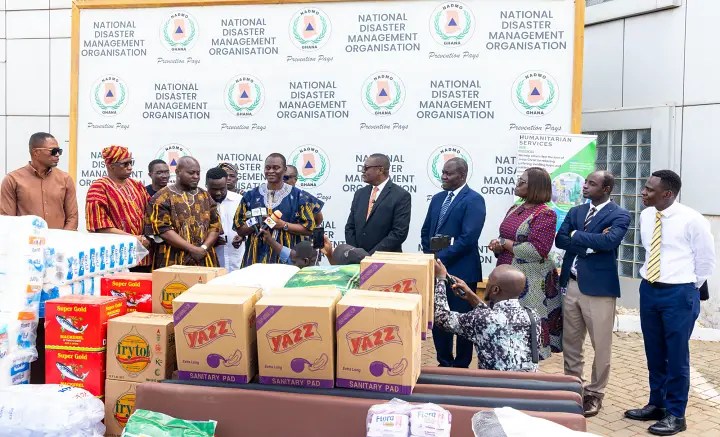
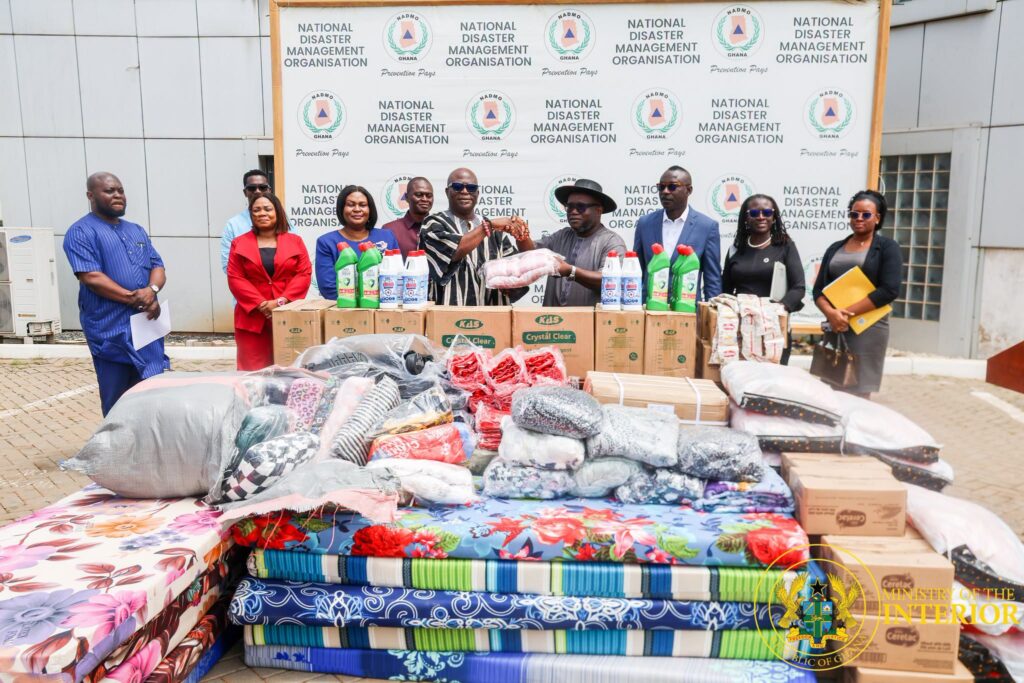
The Africa West Area Presidency of The Church of Jesus Christ of Latter-day Saints has presented approximately US$300,000 worth of humanitarian relief items to Ghana's National Disaster Management Organization (NADMO) to assist families devastated by recent flooding across the country. The substantial donation, handed over at NADMO headquarters in Accra on Wednesday, marks a significant contribution to ongoing disaster response efforts and underscores the growing role of faith-based organisations in Ghana's humanitarian sector.
The relief package comprises carefully selected essentials tailored to address the immediate needs of flood-affected households. The Church donated 2,000 bags of rice, 1,000 boxes of cooking oil, 500 boxes of canned fish, 100 large sacks each of maize and gari, and 2,000 bags of sachet water. Beyond food security, the donation includes 5,000 blankets, 5,000 mosquito nets and 5,000 student mattresses to provide shelter and protection. Hygiene items such as 1,000 packs of toilet rolls, 200 boxes of sanitary pads and 200 boxes of baby diapers round out the package, addressing vulnerabilities often overlooked in emergency response.
NADMO will distribute these items across three strategic zones identified as most affected by the flooding. Communities in the Greater Accra Metropolitan Area will receive the bulk of supplies, whilst additional consignments have been allocated to Wassa Amenfi East in the Western Region and Dosukorpe community in the Anloga District of the Volta Region, reflecting a geographically diverse response to emergency requests from local authorities.
Church commitment rooted in faith and action
Elder Adeyinka A. Ojediran, a General Authority Seventy for the Church, emphasised during the handover that the donation represents far more than monetary value—it reflects a theological commitment to neighbourly service. "Our faith teaches us to love our neighbours and serve those in need, and this donation is an expression of that discipleship," Elder Ojediran stated. He highlighted how the flooding had created acute vulnerabilities, leaving families without food, shelter and basic dignity, necessitating swift, coordinated humanitarian response.
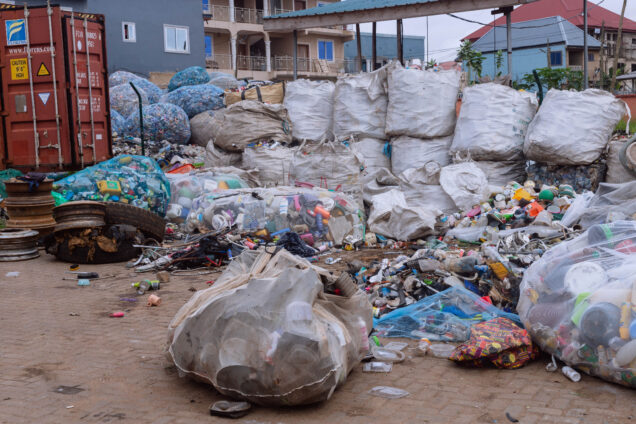
The Church also used the occasion to advocate for longer-term solutions, urging Ghanaians to prioritise environmental stewardship and responsible waste management as preventative measures against future flooding. This dual focus—immediate relief coupled with systemic prevention—aligns with international best practice in disaster management and reflects growing recognition that emergency response alone cannot address climate and environmental vulnerabilities.
To operationalise this vision, the Church announced that its members worldwide will participate in an annual All-Africa Service Project on August 15, 2026, committing at least three hours per person to community service initiatives including environmental clean-up exercises, tree planting and related environmental restoration projects.
Why it matters for Ghana
Ghana's vulnerability to flooding is intensifying due to rapid urbanisation, inadequate drainage infrastructure and increasing rainfall variability linked to climate change. Recent floods have displaced thousands, destroyed livelihoods and created acute food insecurity in affected regions. Government resources, whilst significant, often prove insufficient to meet the scale of need, making partnerships with international faith-based and humanitarian organisations critical to effective response.
NADMO Director-General Major (Rtd) Dr. Joseph Bikanyi Kuyon acknowledged the Church's established track record, describing it as a consistent and reliable humanitarian partner. He emphasised that effective disaster management demands collaboration across government, civil society, faith organisations and communities—a principle this donation exemplifies. The Church's willingness to respond swiftly to emergency requests, combined with its advocacy for environmental prevention, positions faith organisations as strategic partners in Ghana's climate adaptation agenda, particularly in supporting vulnerable populations typically underserved by conventional relief channels.
Source: Ameyaw Debrah


Comments (0)
Be the first to comment.